

Fitness & Wellness
Container gyms built for backyards, studios, and jobsites
Insulated, ventilated, and floored for training, this high cube shell delivers to your site and locks up at night.
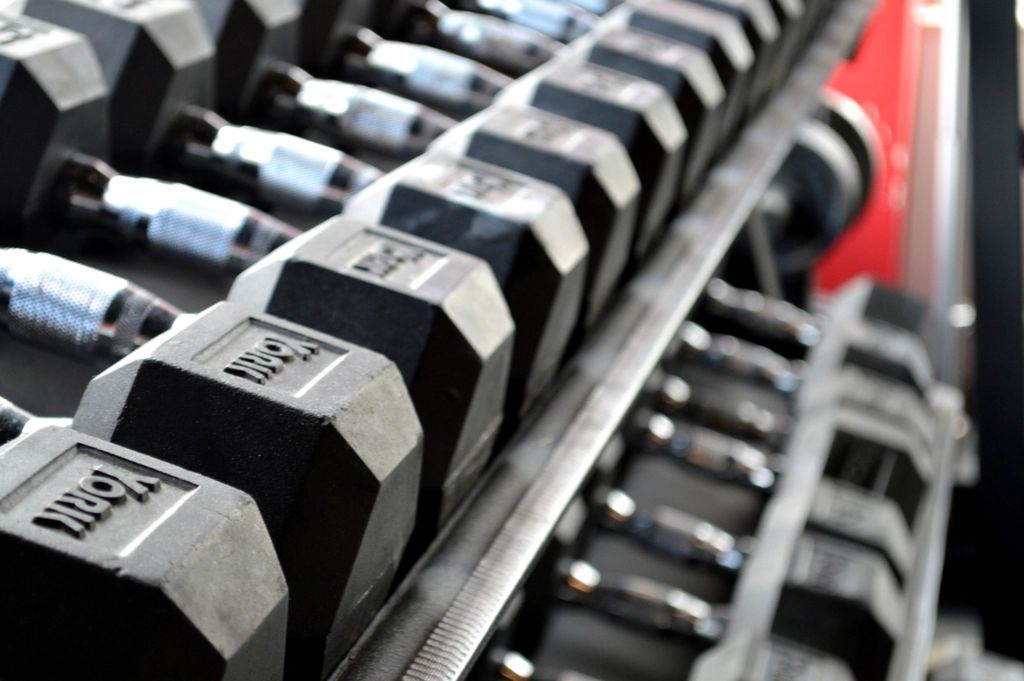
Built for the job
Headroom left after the buildout
Inside a high cube you start around 8ft 10in, and after ceiling insulation plus rubber flooring, roughly 8ft 6in remains. Standard height finishes closer to 7ft 6in — too short for anything overhead.
A freight-rated floor underfoot
The 1-1/8in wood floor over steel crossmembers carries a loaded rack without issue. Dropped bars are point loads, though, so plan on 3/4in rubber tile plus reinforcement under rack uprights.
Open-air training on side-opening units
Roll open the entire long wall on a full side access container for outdoor training, then padlock it shut overnight. Pricing runs above a standard-door unit, with upkeep needed on the extra gaskets.
Security built in for costly gear
Steel walls fitted with a lockbox and a solid padlock protect racks, bars, and plates. Add windows for light and the picture changes, so plan security shutters alongside any glazing.
Sized to match how you train
1 or 2 people fit comfortably in a 20ft unit, while a 40ft handles stations or a small class. Either size runs about 7ft 8in wide inside, so group workouts line up rather than gather in a circle.
Set at ground level on delivery
No crane or forklift needed: a tilt-bed truck lowers the container straight to ground level, and we verify site access first. Level, compacted ground and a clear straight approach are still on you.
Take a lockable steel shell, add insulation, ventilation, and flooring built for training, and you've got a container gym, whether it sits in a backyard, behind a boutique studio, or on a jobsite. Sourcing the box is easy; what actually determines success is headroom, airflow, and the floor underneath.
Where training space runs short
Eventually the garage goes back to cars and storage, and the home gym goes with it. Studios need a lease signed and a buildout finished before the first class even books. Wellness space on a jobsite or campus, meanwhile, has to happen without turning into a construction project. One container answers all 3, arriving as a structure you own and delivered to your site, though the payoff comes from planning it well, not just training in it.
Work out the headroom math first
Height gets eaten up one buildout decision at a time. Take a high cube container, a foot taller than the standard box: 9ft 6in on the outside, roughly 8ft 10in once you're inside it. Ceiling finish plus spray-foam insulation claims 2 to 3in, and 3/4in rubber tile takes another inch off. What's left, around 8ft 6in, gives a 6ft lifter room to lock out a standing press with plates peaking near 8ft 3in, and clears a pull-up bar set at 7ft 6in for strict reps, though kipping has little room to spare. Go standard height instead, about 7ft 10in inside, and the finished ceiling lands near 7ft 6in, ruling out overhead lifts entirely.
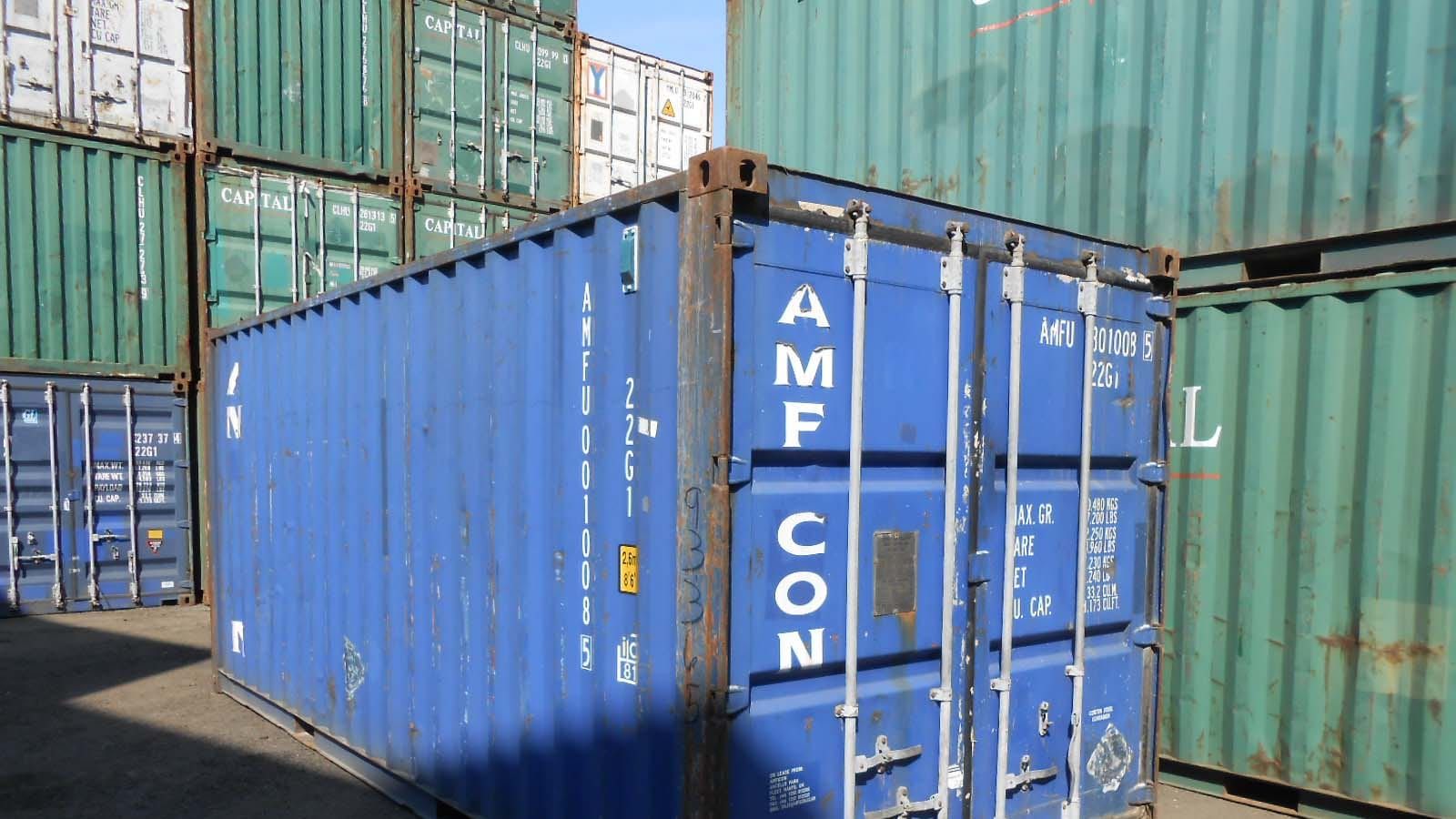
Start with the one-trip 40ft high cube container as the shell to start from — one-trip means shipped once from the factory, then sold, about as close to new as it gets.
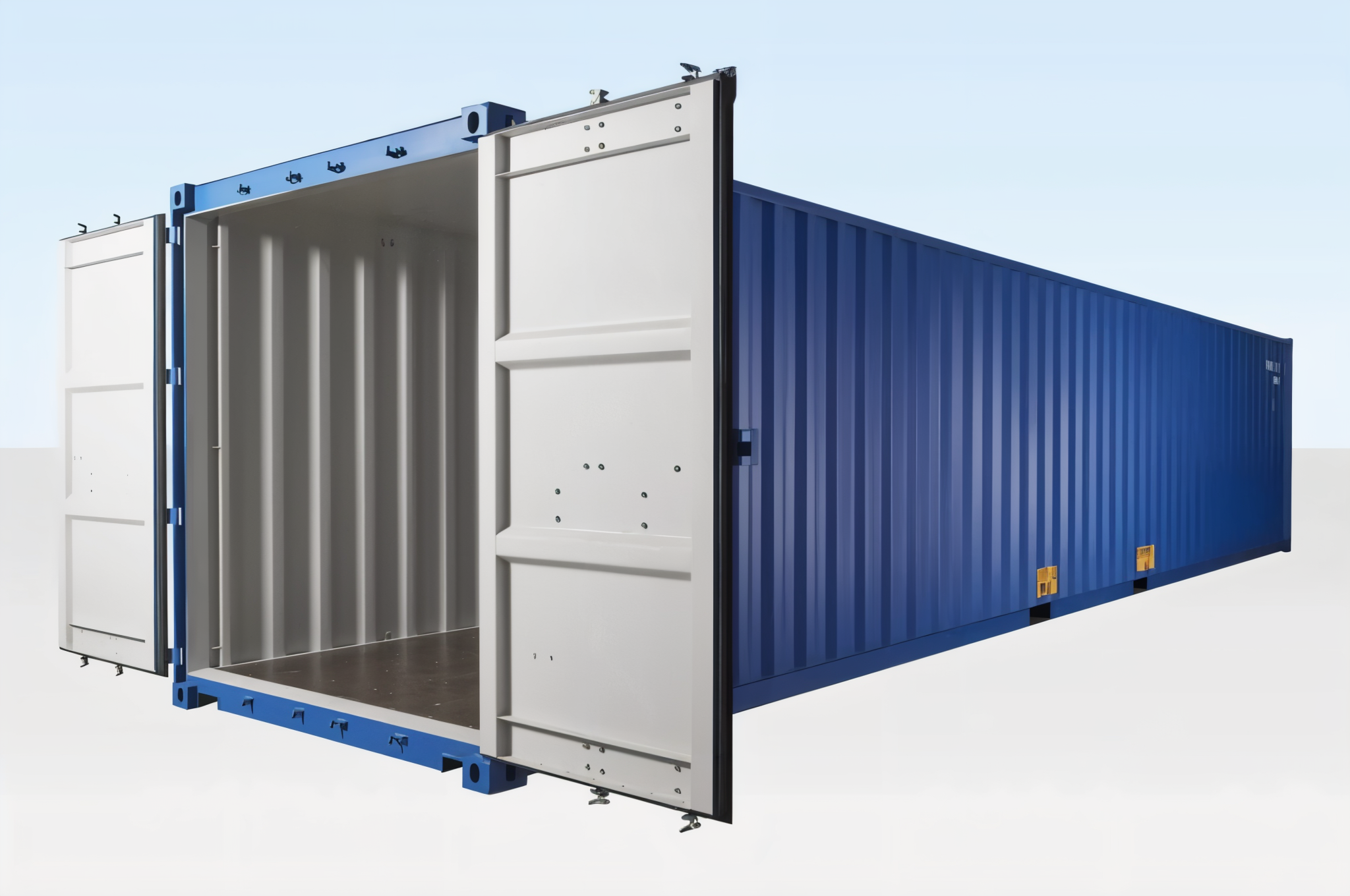
The floor: racks and dropped weights
Steel crossmembers support 1-1/8in marine-grade plywood in a container floor, freight-rated and unbothered by a loaded squat rack. What actually needs planning for is dropped weight, since a bar falling from overhead concentrates its full force on one tiny spot. Add 3/4in rubber tile over the wood, reinforce beneath rack uprights, and bolt any rig directly into the crossmembers.
Ventilation makes or breaks the build
Every training session floods a sealed steel box with heat and moisture, and once that damp air meets cold steel, condensation, mold, and rusty equipment follow. Storage-grade passive vents can't keep up. What works instead: a powered exhaust fan paired with an intake at the far end, and a minisplit (a small ductless heat pump) running year-round to cool, heat, and strip out humidity. Insulation is what keeps the steel from dropping below the dew point in the first place. Our ventilation guide for shipping containers walks through fan sizing and placement, plus our guide on insulating a shipping container compares spray-foam and panel options.
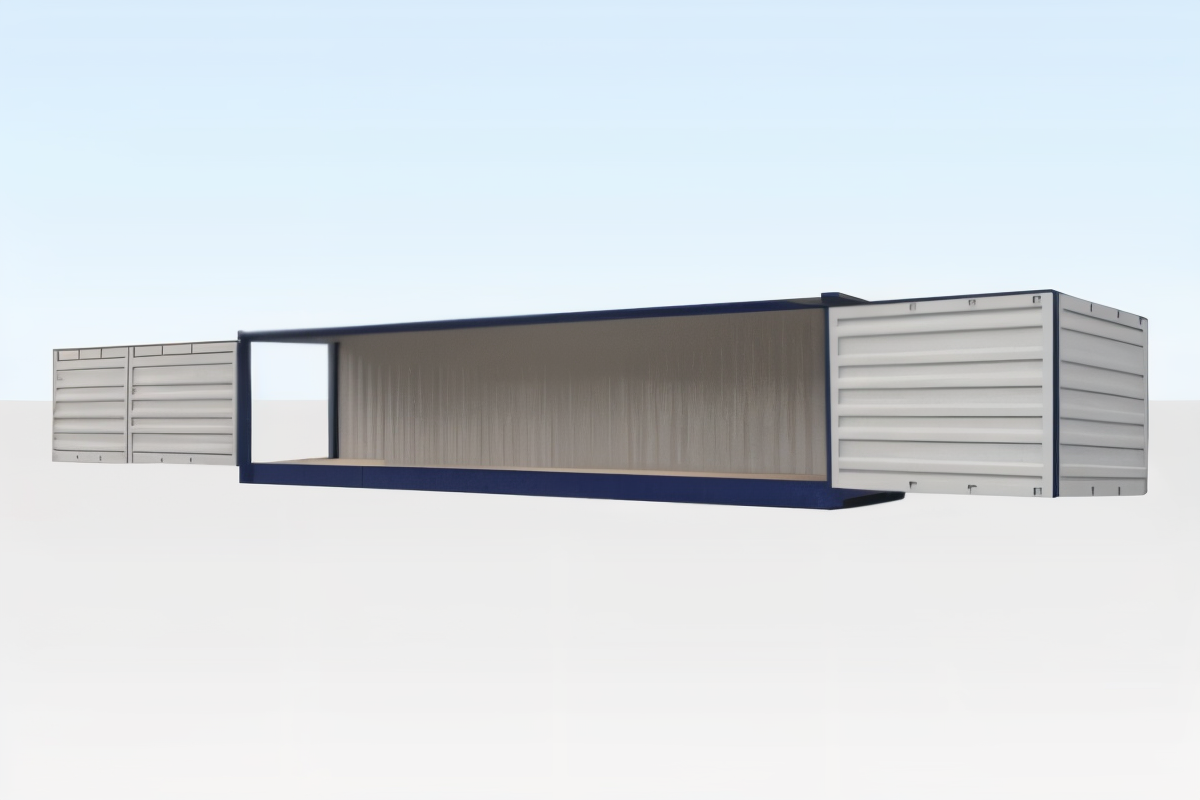
Open a full wall for outdoor training
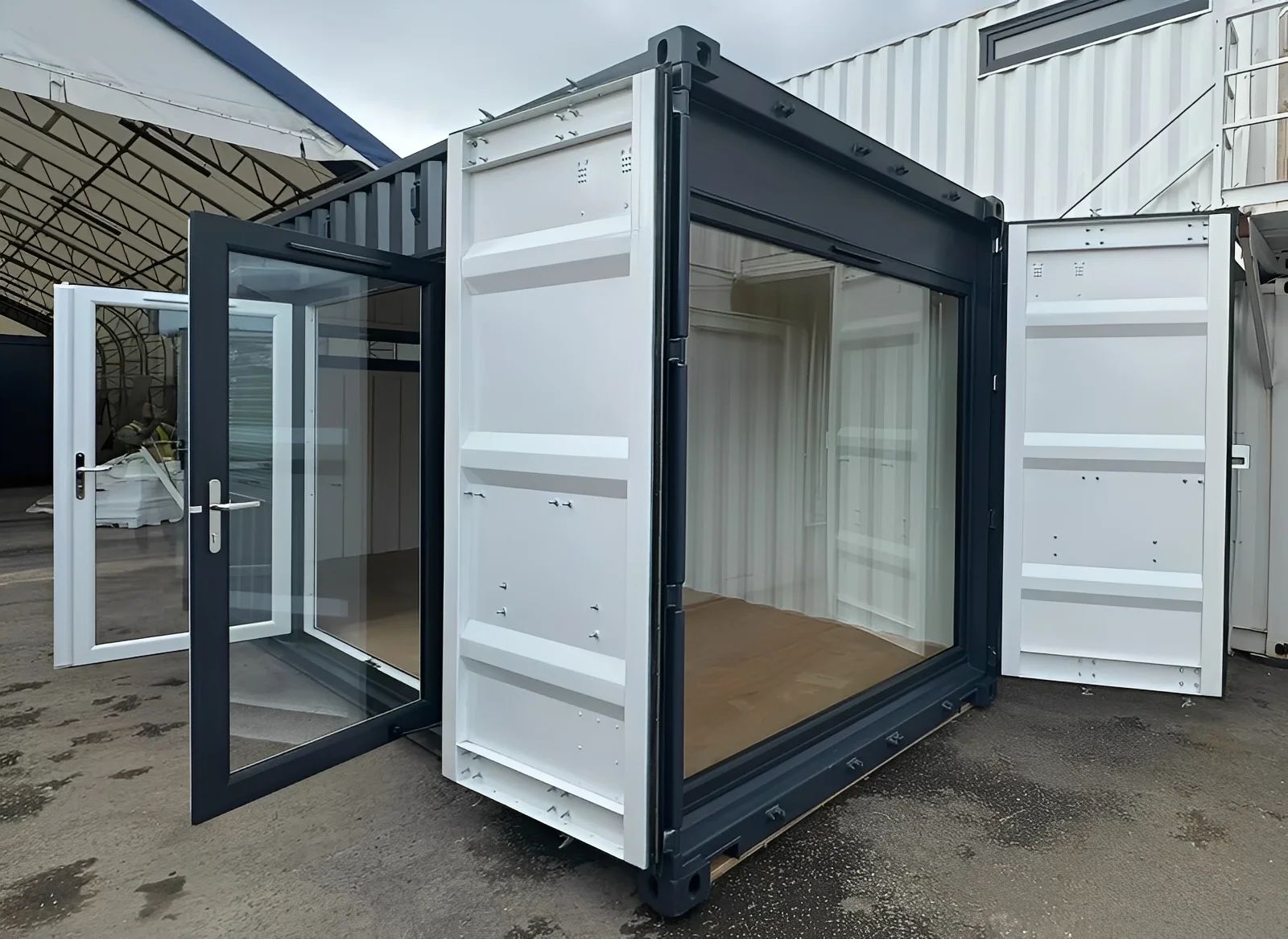
Opting for a 40ft high cube with full side access turns the entire long side into an opening, converting the box into a covered training bay open to the air: slide the wall back for a bootcamp or hybrid class, then padlock it at night. Price and upkeep are the tradeoffs, since side-opening units carry a higher cost, and the added hinges and gaskets need regular attention to stay watertight.
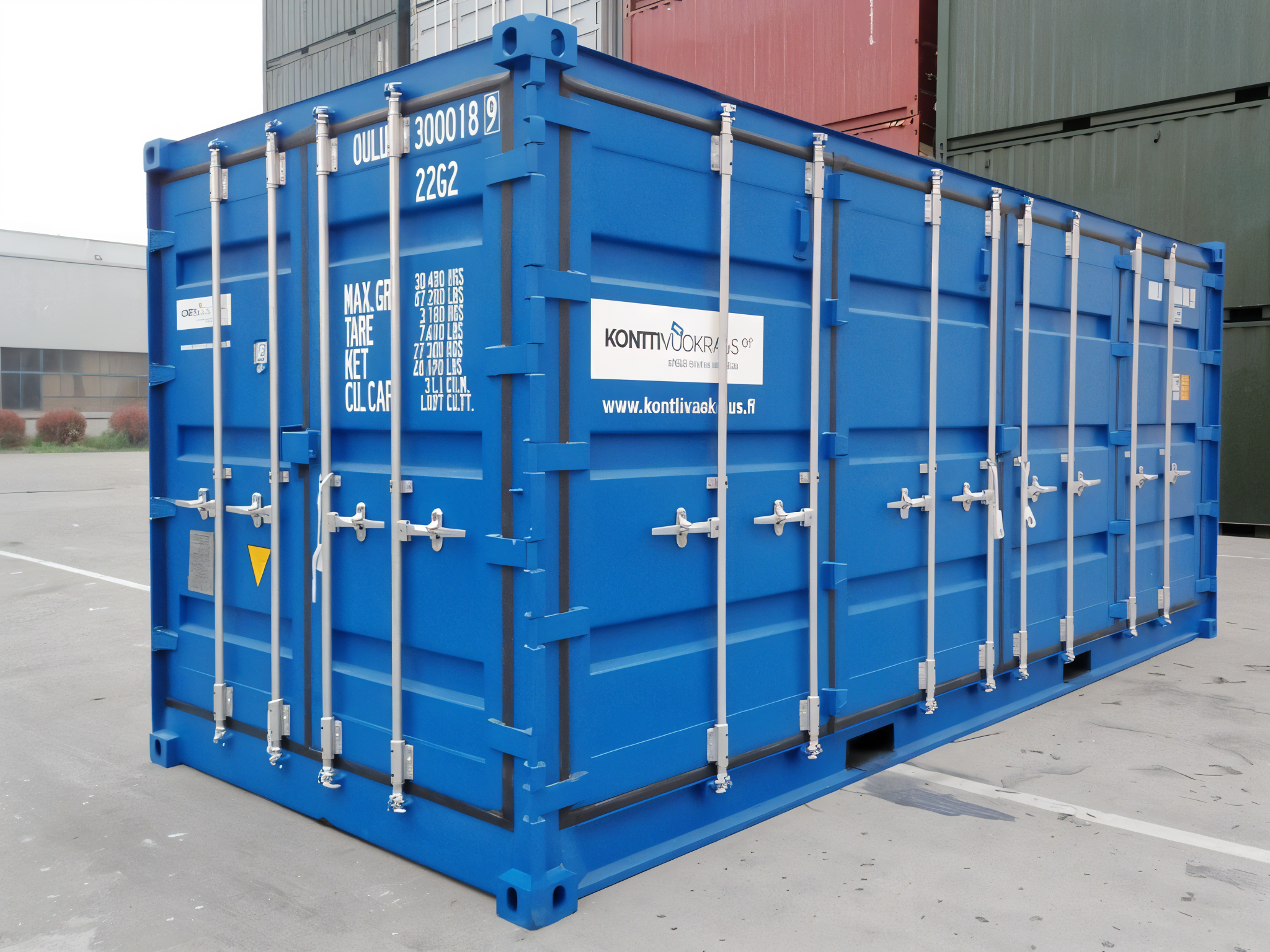
Keeping the equipment secure
Door hardware is the real security limit on a steel box. A lockbox (a welded shroud protecting the padlock) paired with a solid padlock covers the basics; adding windows for light means adding shutters to match. Our guide on securing a shipping container walks through the options.
Matching the box to your training style
The one-trip 20ft high cube container works for 1 or 2 people: a wall-mounted rack, a bench, one open lane of floor. Any container runs about 7ft 8in wide inside, which keeps classes lined up rather than circled up, an honest constraint of the format. Small-group station work fits a 40ft instead, and for a jobsite or campus wellness room, a custom 20ft container conversion takes windows, doors, insulation, and electrical add-ons through our custom modifications service.
Questions
Does a container have the headroom for overhead lifts?
High cube only. Insulation and rubber flooring together leave roughly 8ft 6in, enough clearance for a standing press for most lifters. Go standard height and you're down near 7ft 6in — not viable for a gym.
Can the floor take dropped weights?
Loaded racks pose no problem for the freight-rated wood floor underneath. Dropped bars are a different story: spread that impact with 3/4in rubber tile, add reinforcement under rack uprights, and switch to bumper plates whenever training goes overhead.
Does a backyard gym container need a permit?
City rules and HOA covenants decide that one. Accessory-structure status covers containers in some places; elsewhere a placement permit is required, or there's a cap on how long the unit can remain. Check both before you order — this counts as general guidance, not legal advice.
How does a gym container get delivered?
A tilt-bed, or roll-off, truck does the job: tilting the bed lowers the container to ground level without any crane or forklift involved. Site access and clearance get checked on our end before delivery, while level, compacted ground and a clear, straight approach are yours to provide.
Get a free quote
Share where the container is headed, how you train, and which modifications matter: windows, doors, insulation, electrical, or a complete gym fit-out through our custom modifications service. A free, itemized quote comes back with delivery to your site already priced in, and the number we quote is the number you pay. Inspection and grading happen on every unit before it ships, with a reply inside 1 business day.
Containers suited for fitness & wellness
Related services
- Custom ModificationsCustom doors, windows, HVAC, and fit-outs
- Container DeliveryDoor-to-door delivery on a tilt-bed truck
- Container SalesOne-trip and graded used containers for sale
Related guides


Put containers to work in fitness & wellness
Tell us about your project and we will send a free, no-obligation quote.