How to Ventilate a Shipping Container and Stop Condensation
How to stop container rain (condensation) before it ruins stored goods: vents, fans, and desiccants compared by climate.
 EditorsEditors6 min read
On this page
- What makes a sealed shipping container drip water?
- What condensation damages
- Passive vents: where to start
- Turbine vents: power-free airflow
- Fans: powered and solar options
- Desiccants: the option for sealed boxes
- Loading the container to let air move
- Matching your setup to the climate
- When airflow alone won't be enough
- Common questions
- Get a free quote
What makes a sealed shipping container drip water?
A shipping container is good at two jobs: keeping rain out, and trapping moisture in — and the second one is the problem. During the day, the air inside a closed box warms and absorbs water from whatever's stored: cardboard, wood pallets, fabric, even a damp floor. Overnight, the steel skin cools faster than the air does, and once warm, humid air meets steel that has dropped below its dew point (the temperature where air can no longer hold its moisture), water condenses out. Droplets form on the ceiling and drip onto your goods. Storage users call it container rain, and it soaks units that never leaked a drop from outside.
Shipping container ventilation is the fix: swap the warm, moist interior air for cooler, drier air from outside, leaving less water behind to condense once the steel cools. Fixed passive vents handle most storage jobs, turbine and powered vents take on the harder cases, and desiccants soak up whatever airflow can't reach. Here's how to pick between them.
What condensation damages
Condensation does real damage, not just cosmetic harm. Cardboard turns soft and collapses, fabric grows mold, bare tools rust, electronics corrode, and wooden furniture swells and warps, and repeated wet cycles eat away at the roof seams and door gaskets from the inside, so the unit itself takes a hit too.
Passive vents: where to start
Factory-standard containers ship with only small pressure vents near the top rails, there to equalize pressure at sea rather than dry out a storage unit. Fixed louvered vents are the standard upgrade — angled steel slats over a screened opening that let air pass while keeping rain, pests, and debris out. Where you put them counts more than how many you install: intakes low on one wall, exhausts high on the opposite end, so warming, rising air pulls a cross-flow the length of the box, moving damp air out with zero power draw and nothing to maintain. The catch is that passive vents only work when outside air runs drier or cooler than what's inside, so a still, muggy week just trades one batch of damp air for another.
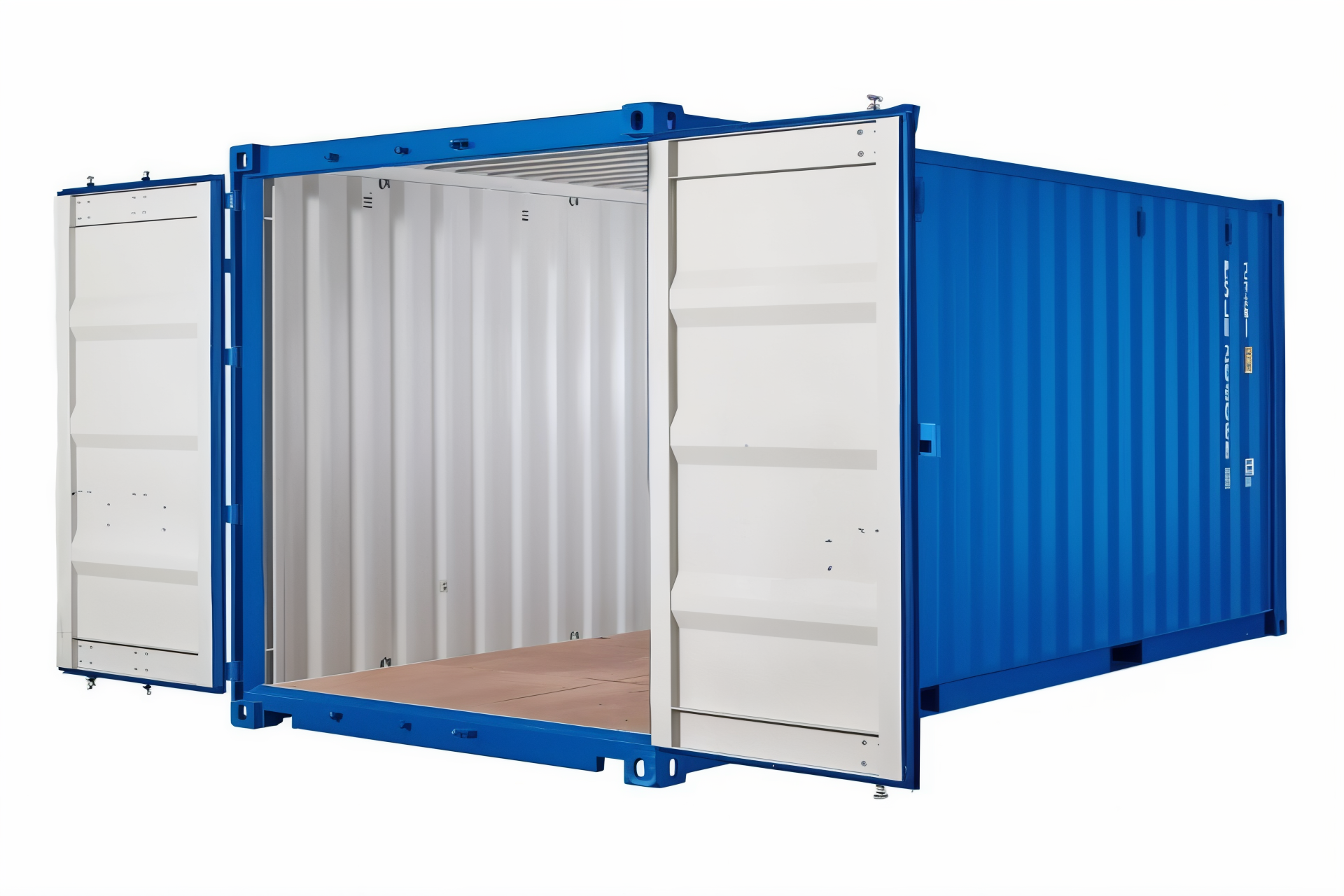
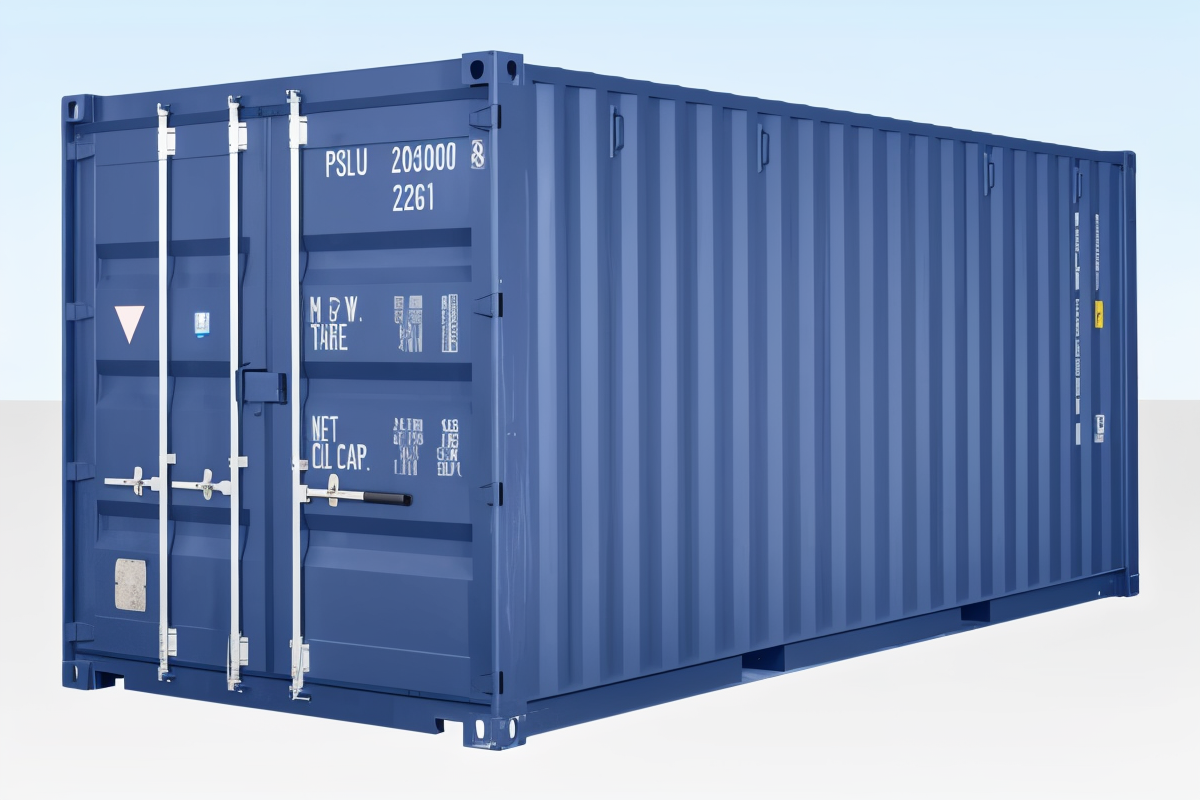
For anyone setting up a unit this way, a one-trip container (shipped once with cargo, then sold in near-new condition) like this one-trip 20ft shipping container gives you the simplest starting point, since the steel cuts and welds clean and the door gaskets still seal tight, leaving the vents you add as the only openings to plan for.
Turbine vents: power-free airflow
Often called a whirlybird, a turbine vent is a finned dome mounted on the roof: wind spins it, the fins draw air up and out, and rising warm air keeps it turning even in a light breeze. Far more air moves through it than fixed louvers, and it costs nothing to run. The tradeoffs: it slows down on still days, exactly when humid air tends to sit, and it opens a hole in the roof, so the flashing needs a solid seal or you've traded condensation for a leak. Give it low intake vents to draw from.
Fans: powered and solar options
Rather than the weather deciding, a powered exhaust fan moves air on a schedule you set. Wired fans switch on via a humidistat or thermostat, venting the box only when conditions actually call for it, while solar fans go wireless and run strongest in full sun, sitting idle overnight when much of the condensation actually builds up. What it costs you: a power source or panel to keep up, plus moving parts that wear over time. Plain storage rarely needs a fan; a workshop, on the other hand, needs one to stay usable at all.
Occupied conversions raise the stakes considerably. A gym container shows this clearest: people working out load the air with moisture faster than any stored cargo would, so mechanical ventilation stops being an upgrade and becomes the make-or-break spec.
Desiccants: the option for sealed boxes
Rather than moving air, desiccants absorb moisture directly. Calcium chloride buckets and hanging poles do most of the work in containers, while silica gel packs protect individual crates. They cover the one case vents handle poorly: a tightly sealed, rarely opened unit sitting in a humid climate, where opening the doors mostly just invites wet air in. The catch: desiccants saturate and need regular replacement — a forgotten bucket is really just a full one. An electric dehumidifier runs continuously instead, but it needs power and somewhere for the water to drain.
Loading the container to let air move
Blocking the air path with cargo will make even a well-vented box sweat. Keep goods up off the floor on dry pallets, since a rain-soaked pallet brings its own water in with it. Leave clearance between the load and the walls, stop short of the ceiling, and position moisture-sensitive items in the middle, clear of the steel.
Shelving handles much of this automatically. A container racking, three tiers keeps stored goods off the floor and opens up horizontal air paths through the load, though the uprights do take a bite out of floor area. Combine it with a low intake and a high exhaust in a dedicated storage unit like this 20ft bamboo-floor self-storage container, and airflow reaches the walls, the load, and the space beneath it all at once.
Matching your setup to the climate
Water-laden air is the norm for most of the year across the humid Southeast (the Gulf Coast, Florida, the Carolinas), so passive vents alone won't cut it there; that calls for layering methods instead — louvered vents plus a whirlybird or fan, desiccants inside, and disciplined dry loading. The dry Southwest presents the opposite problem: low humidity, but a hot-afternoon-to-cold-desert-night swing that's exactly what drives condensation, and cross-flow venting works well there because the replacement air stays dry. Add coastal salt air anywhere, and every wet cycle turns into a rust cycle too, which is why airflow should increase near the ocean.
When airflow alone won't be enough
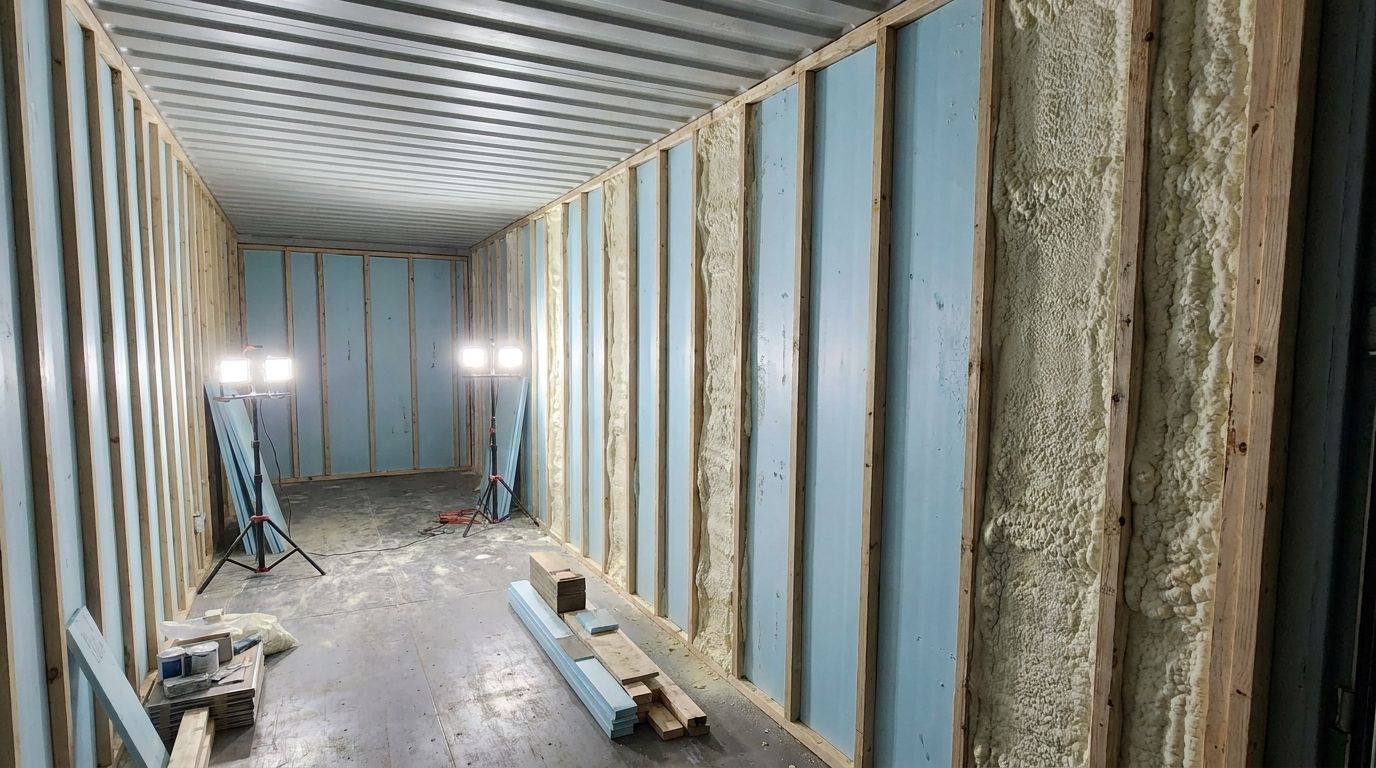
Airflow alone isn't the whole answer anymore once you plan to heat or cool the container, work inside it daily, or store goods that can't handle any humidity swing at all. From the opposite direction, insulation solves it: keeping the interior steel surface warmer means the air touching it never falls to its dew point. Together, the two work as partners, insulating the shell so the steel stays warm and ventilating on top of that for fresh air. That insulation choice deserves its own explanation, which our guide to shipping container insulation.
Common questions
Do shipping containers come with vents already?
Only the small factory pressure vents near the top rails come standard, and they exist to equalize pressure during ocean transit, not to dry out what you're storing. At minimum, most climates call for adding louvered vents positioned for cross-flow.
How many vents does a container actually need?
Count in pairs rather than totals — one low intake on a wall matched with one high exhaust on the far end. A moderate climate often lets a 20ft unit get by on just 1 pair, though longer boxes, humid regions, or damp cargo call for extra pairs or a whirlybird. What matters more than the number installed is the diagonal, low-to-high placement.
Does ventilation stop container rain entirely?
Condensation drops sharply, though no vent can undo wet cargo, a soaked pallet, or goods that were sealed in damp to begin with. Load everything dry, keep it off the floor and away from the walls, and bring in desiccants where the climate runs humid. Conditioning the space calls for pairing ventilation with insulation.
Get a free quote
Tell us what you're storing and where the container will end up, and we'll work out the moisture setup with you — some combination of louvered vents, a whirlybird, or a solar fan, since vents, fans, insulation, and electrical work can all be added as modifications. Every unit gets inspected and graded before delivery, expect a reply within 1 business day, and the quote comes free and itemized with no hidden fees, so what we quote is what you pay.