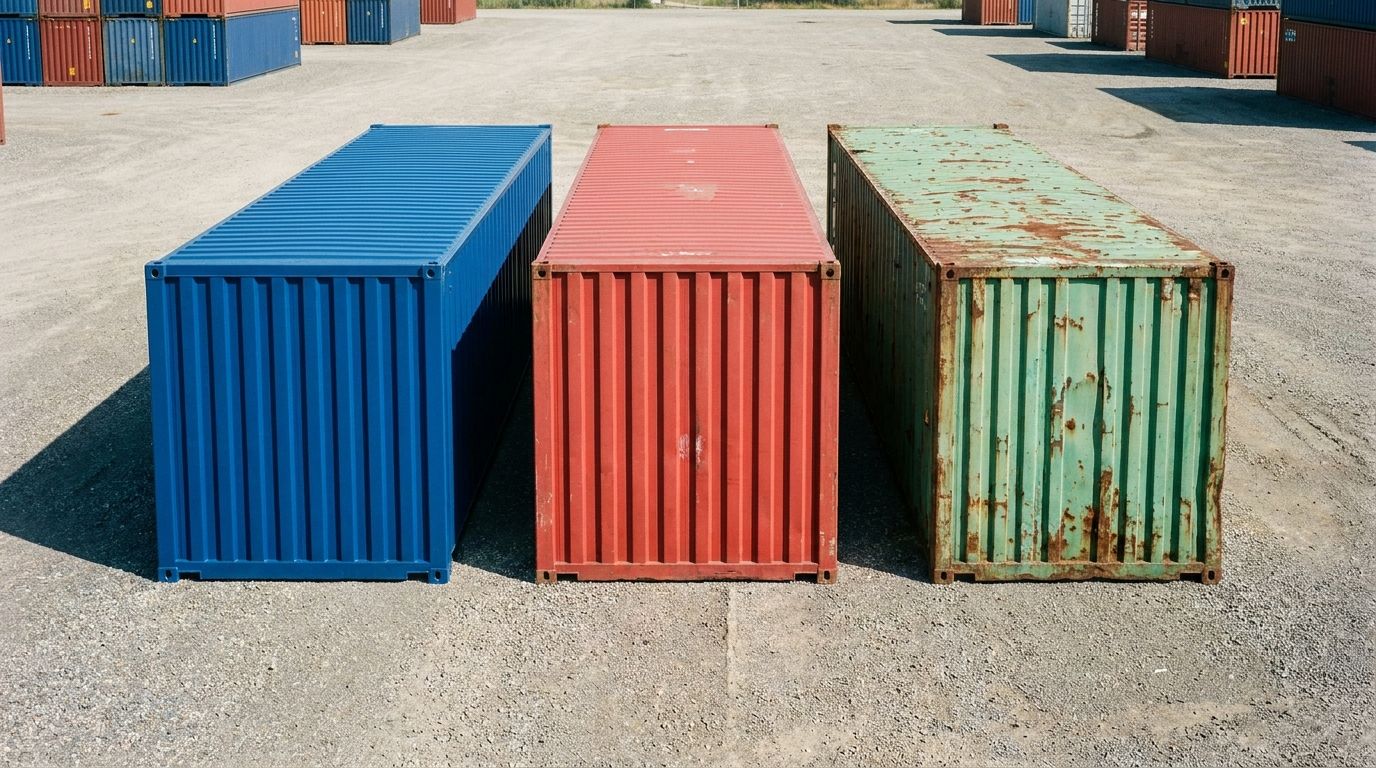
How to Paint a Shipping Container So the Finish Lasts
How to paint a shipping container: prep the steel, pick a paint that grips metal, time it to the weather, and leave the CSC plate and markings alone.
 EditorsEditors8 min read
Updated October 18, 2026

On this page
- Quick answer: how do you paint a shipping container?
- Why repaint at all
- What the steel and factory coating mean for your paint
- Surface prep: the part that decides how long it lasts
- Choosing primer and paint
- Spraying or rolling a corrugated wall
- The weather window
- Light colors and heat
- What not to paint over
- How much paint you need
- How often to touch up
- When to buy new or one-trip instead
- Frequently asked questions
A shipping container leaves the factory painted, so repainting is a repair or a style choice, not a requirement. Prep the steel properly and the new coat can hold for years. Skip the prep and the paint peels off with the rust still underneath.
Most guides stop at "use marine paint." This one covers what changes the result: the paint family, the weather window, and the parts of the box you should never cover.
Quick answer: how do you paint a shipping container?
Wash and degrease the steel, remove loose rust with a wire brush or grinder, treat the rust that remains, and scuff glossy factory paint. Then apply a primer and topcoats made for bare metal, following the paint maker's data sheet. Direct-to-metal (DTM) acrylic is the easiest choice for most DIY jobs. Alkyd and 2-part epoxy or urethane systems suit harsher use but are harder to apply. Paint only inside the product's temperature and dew point limits, and keep the CSC plate and ID markings uncovered.
Why repaint at all
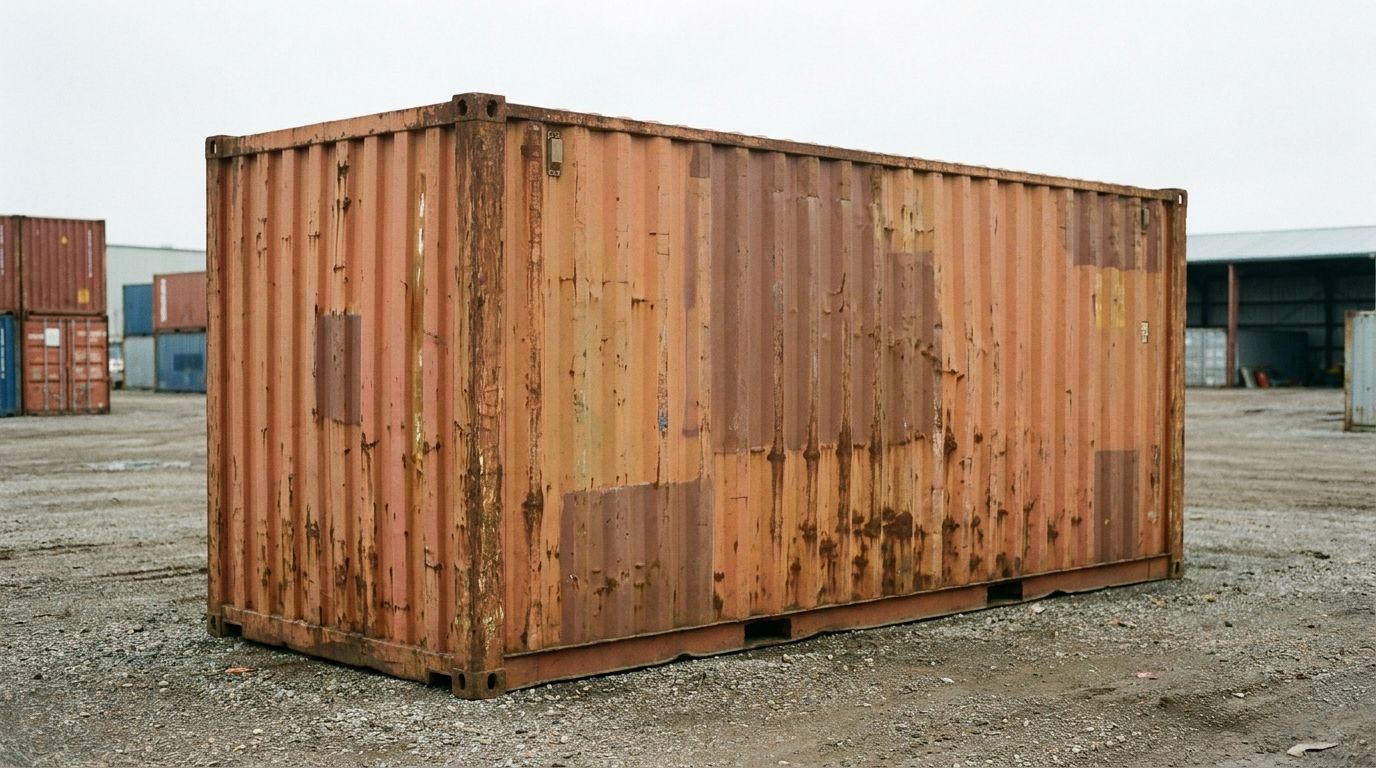
- Rust. Chips expose bare steel. Moisture reaches it first at seams, roof edges, and the lower rails, and rust spreads under the paint.
- Heat. Dark or faded paint absorbs more sun (more below).
- Appearance. Old shipping-line logos, patchy touch-ups, or a color your neighbors or HOA object to. Color rules vary by city and HOA, so check first. General guidance, not legal advice; our shipping container permits guide covers the wider picture.
The limit: paint protects steel but can't rebuild it. Rust that has eaten through a panel needs steel repair first.
What the steel and factory coating mean for your paint
Most standard containers are built from weathering steel, often sold under the name Corten. It is designed to form a tight oxide layer that slows further corrosion, provided it can dry between wettings. The US Federal Highway Administration cautions against leaving weathering steel uncoated near the coast, in persistently humid or foggy places, and in industrial areas. That is why containers also ship with a paint system.
Which system is on your unit varies by builder, and you usually can't tell. Two consequences: intact factory paint is often hard and glossy, so new paint needs scuffing to grip, and compatibility with the old coat is unknown, so paint a test patch first. For how steel, coatings, and climate combine over time, see how long shipping containers last.
Surface prep: the part that decides how long it lasts
- Check for lead. One paint maker's label warns that scraping or sanding old paint may release lead dust. If the box was repainted before, test first, wear a respirator, and clean up with a HEPA vacuum and wet mop.
- Wash and degrease. Use detergent or a degreaser, rinse, and let the steel dry completely. Oil and salt stop primer from bonding.
- Remove loose rust and flaking paint. A wire brush, flap disc, or grinder works. One DTM acrylic data sheet sets hand-tool or power-tool cleaning (SSPC-SP2 or SP3) as the steel prep. Feather the edges of sound paint.
- Treat what's left. A rust converter or a primer labeled for rusty metal handles light surface rust. Neither fixes loose scale or perforated steel.
- Scuff glossy paint with sandpaper, then spot-test adhesion on 1 small patch.
- Remove decals and mask. Heat softens stubborn adhesive. Mask the door seals, locking bars, hardware, and the plates described below.
Choosing primer and paint
- Water-based DTM acrylic. Strengths: soap-and-water cleanup, lower odor, rolls and sprays, some self-priming. Limits: a narrower temperature window, and one maker rates its DTM acrylic for mild to moderate environments and still recommends a primer for full corrosion protection.
- Alkyd (oil-based) DTM enamel. Strengths: goes on in colder weather (one sheet allows 32–90°F), goes over most latex or oil paints, and resists rust on bare metal. Limits: slow drying (that sheet says recoat after 24 hours), mineral-spirits cleanup, and stronger fumes; not for galvanized steel.
- 2-part epoxy or urethane. Strengths: built for tougher service, and one paint maker lists 2-pack polyurethane as a container topcoat option. Limits: mixed with a hardener, short working time, a respirator is needed, and you must check whether the epoxy can face sun or needs a topcoat.
Why house paint fails. Wall paint isn't built to grip bare steel or fight flash rust, the rust that blooms as water-based paint dries on bare metal. Use a product whose label names bare or ferrous metal.
Spraying or rolling a corrugated wall
Corrugated walls take paint unevenly across ridges and valleys. Airless spraying reaches both in 1 pass and is faster, but it demands masking, calm air, thinning per the sheet, and rented equipment. Rolling avoids overspray and costs less to start, but it is slower and leaves texture. One maker's guidance: the rougher the surface, the longer the roller nap. Brush the valleys, edges, and hardware either way, and work roof down to avoid drips.
The weather window
Use your product's data sheet, not a rule of thumb. Two data sheets from one paint maker show the spread. A water-based DTM acrylic goes on at 50–100°F air and surface temperature, humidity no higher than 95%, and steel at least 5°F above the dew point. An alkyd DTM enamel allows 32–90°F with humidity below 85%.
The dew point is the temperature at which moisture condenses. Steel stays cold into the morning, so it can be damp while the air feels dry. Check the dew point from a weather app, measure the steel with an infrared thermometer, and paint only when the gap is met. Dark steel in direct sun can run well above air temperature, so work shaded sides first.
Light colors and heat
Lighter colors reflect more sunlight, so a white or light gray box runs cooler to the touch. Repainting won't cool the inside by itself, though; insulating the container and ventilation do more. The tradeoff: light colors show rust streaks and dirt, while dark colors hide them but run hotter.
What not to paint over
- The CSC plate. This safety approval plate is designed to stay legible for the container's working life (49 CFR 451.23), so mask it.
- ID and owner markings. If you might resell the unit for shipping, keep them readable. One paint maker advises leaving the markings and the plate visible if a container will ship.
- Door seals and locking bars. Mask them, and don't paint over moving parts that need to turn.
How much paint you need
Use the method, not a single figure. For a 20ft × 8ft × 8.5ft box, nominal exterior area is 2 sides at 20 × 8.5 (340 sq ft), 2 ends at 8 × 8.5 (136 sq ft), and the roof at 20 × 8 (160 sq ft), about 636 sq ft. Corrugation adds surface. Divide by the coverage on your data sheet, then multiply by your coat count. One DTM acrylic lists 300–400 sq ft per gallon, so 636 sq ft is about 1.6 to 2.1 gallons per coat before corrugation and waste. A 40ft box is about 1,136 sq ft on the same math. Buy a little extra.
How often to touch up
No honest universal interval exists, because it depends on climate and exposure, and coastal or humid sites are harder on steel. Walk the box twice a year and after storms. Fix chips right away with the same system: wire-brush, spot-prime, topcoat. Plan a full repaint when paint chalks, peels in sheets, or rust shows through in many places.
When to buy new or one-trip instead
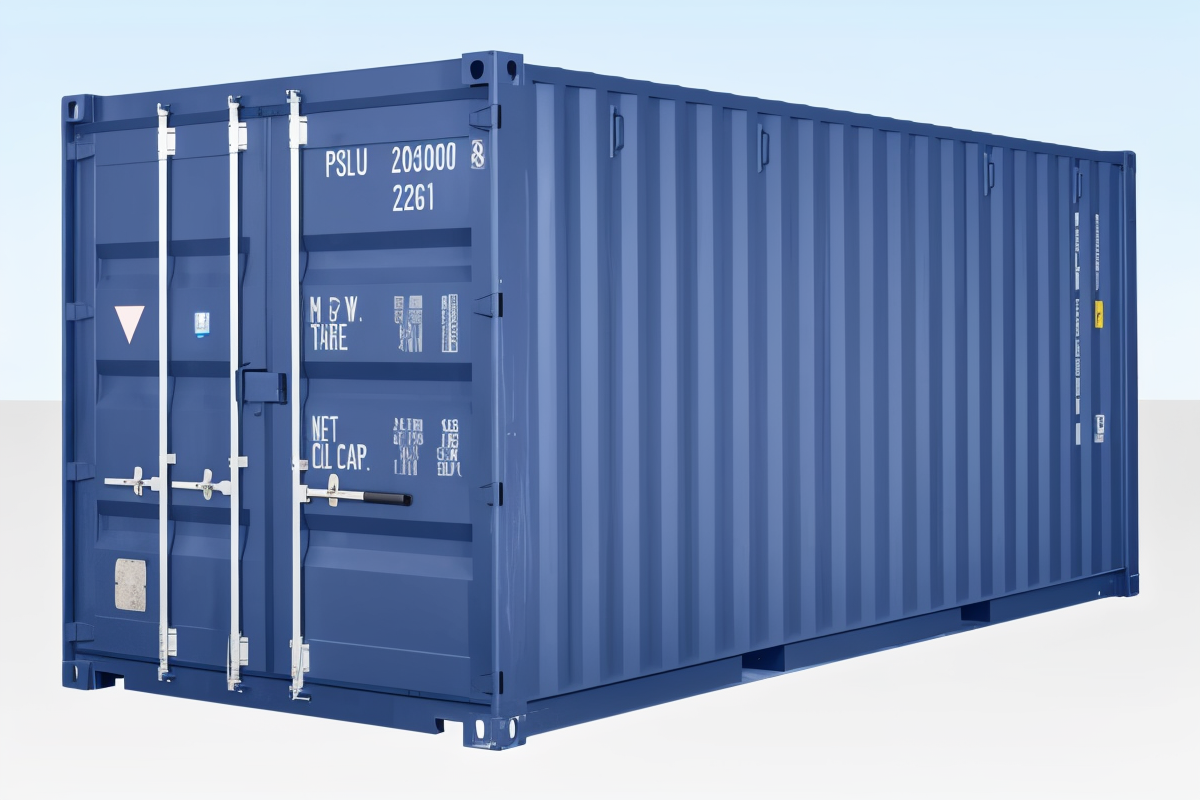
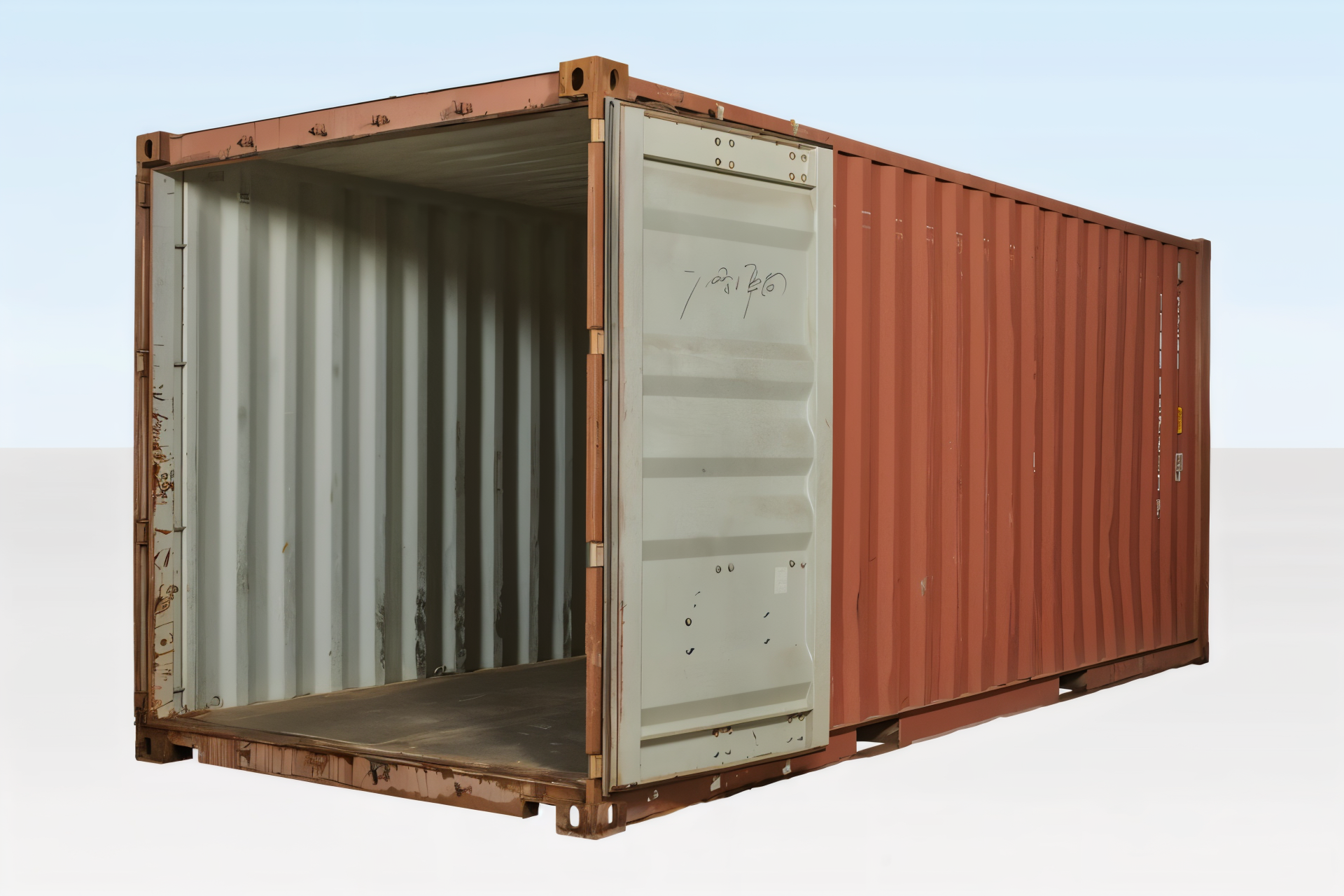
Paint can't fix perforated steel, bent door frames, or a damaged floor. If prep would be extensive, or you need a specific look, compare that work against a one-trip container (shipped once from the factory overseas, then sold, so it arrives with its factory coat). Our 20ft one-trip container in white and 20ft one-trip container in blue come in factory colors. A used unit, such as our 20ft wind and watertight used container (keeps weather out, sound for storage, not certified for ocean transport), may need more cosmetic work.
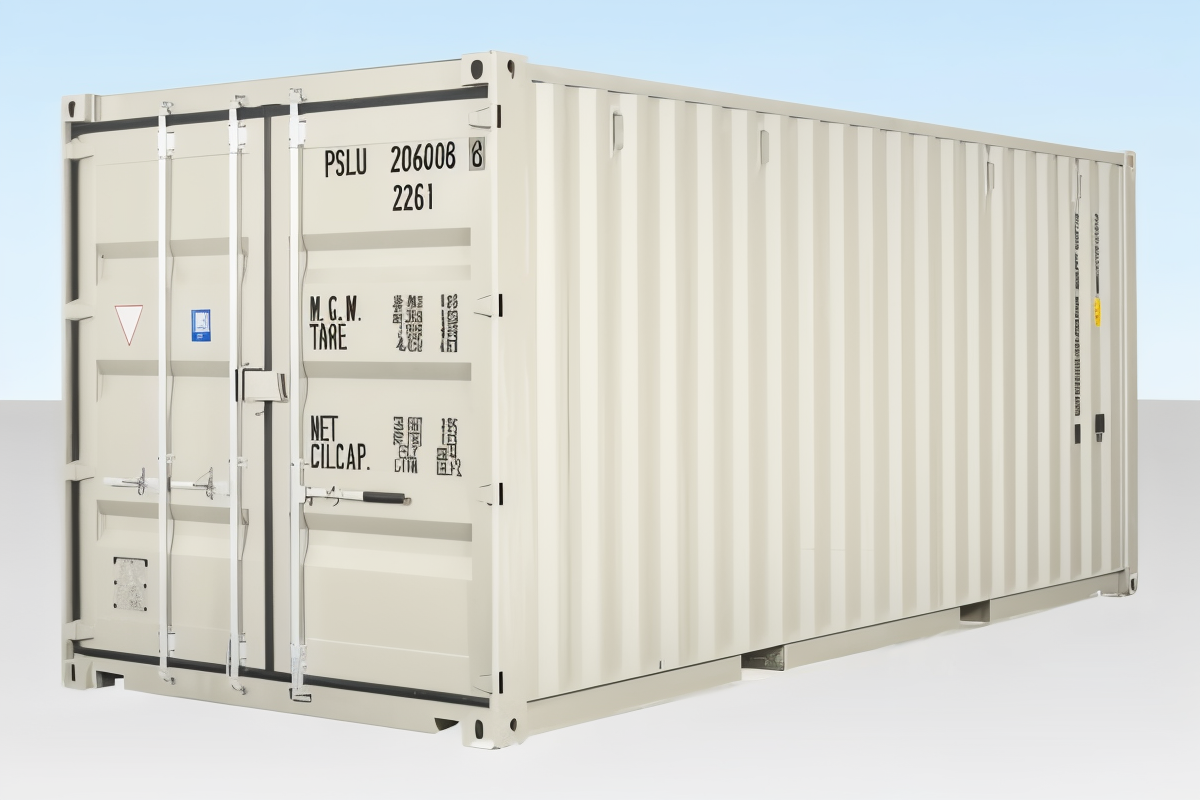
Every unit is inspected and graded before delivery, and container condition grades explained shows what each grade means. For what to inspect, read our guide to buying a used shipping container.
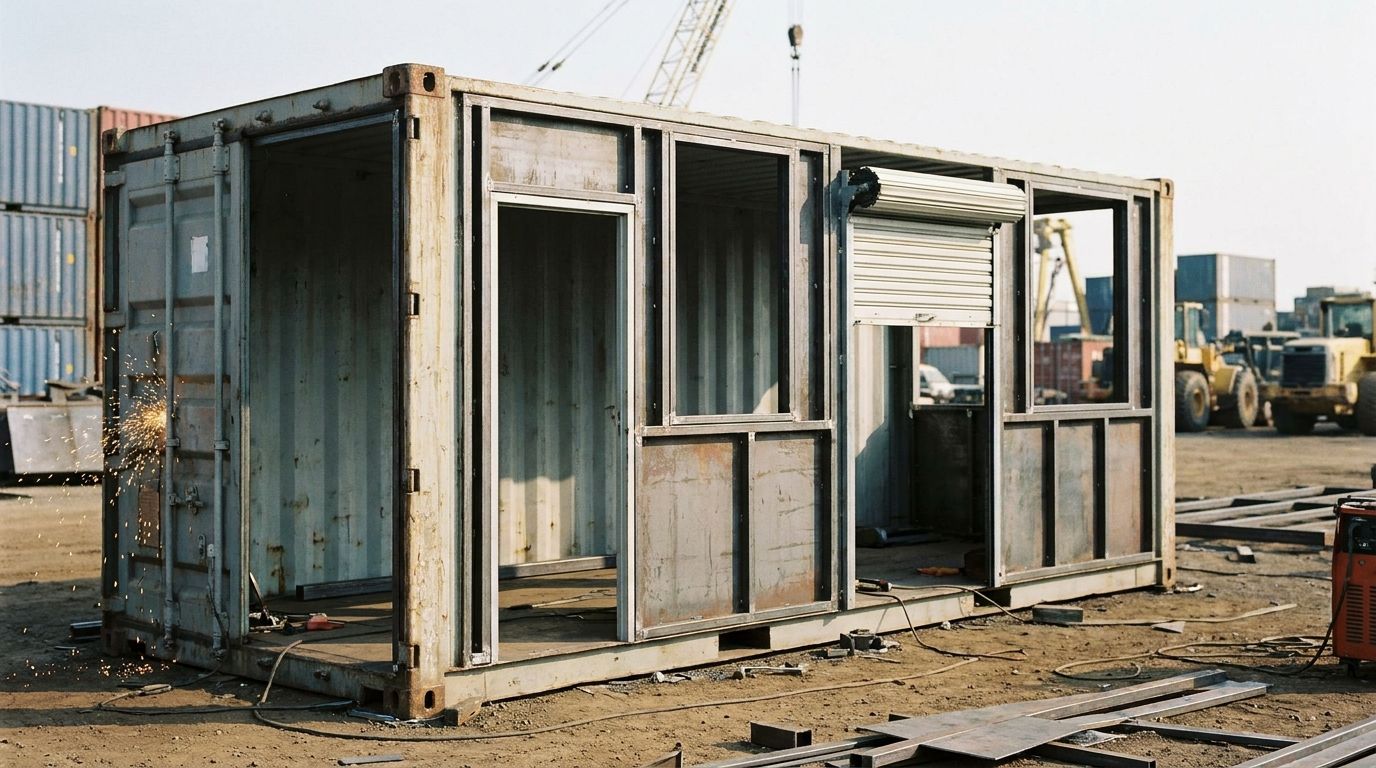
Timing notes: paint after delivery, since a tilt-bed (roll-off) truck slides the container off at ground level and you can touch up contact points afterward. If you're adding windows or doors, paint after the cutting and welding, because bare and heat-damaged steel needs fresh coating (see shipping container modifications).
Frequently asked questions
Can you paint a shipping container with regular house paint?
It is a poor fit. Wall paint isn't formulated to grip bare steel or resist flash rust. Use a primer and topcoat labeled for bare or ferrous metal, and check the data sheet.
What type of paint works on a shipping container?
DTM acrylic is the most approachable for DIY. Alkyd enamel works in a wider temperature range but dries slowly. 2-part epoxy or urethane systems suit harsh use but need careful mixing and safety gear.
Do I need to sand a shipping container before painting?
Remove loose rust and flaking paint with a wire brush or grinder, and scuff any glossy intact paint so the new coat grips. You don't need to strip sound paint to bare steel.
What temperature can you paint a shipping container?
It depends on the product. Of 2 data sheets we checked, a water-based acrylic allows 50–100°F and an alkyd enamel allows 32–90°F. The acrylic also needs the steel at least 5°F above the dew point. Read your own sheet.
Can you paint over the CSC plate?
No. The plate is meant to stay legible for the life of the container, so mask it. Keep ID markings readable too if you may resell or ship the unit.
If you'd rather skip the prep, browse standard dry containers to compare one-trip and used units.