Service Area / Ohio
Cleveland, OH shipping containers for sale and delivery
New and used containers delivered to your site in Cleveland and nearby suburbs, inspected and graded before delivery.
- Lakewood
- Parma
- Euclid
- Strongsville
- Westlake
- Mentor
- Solon
- Brunswick
- Medina
- Elyria
- Akron
- Supplier
- Forge Containers
- Phone
- (725) 346-9435
- Response
- Quotes come back within 1 business day
 Open in Maps
We sell new and used steel shipping containers and deliver them to your site in Cleveland, OH and the suburbs around it. You do not need to visit a lot or arrange a pickup: you send us an address, we quote delivery to it, and a truck brings the container to you. Cleveland is a hard place to be careless with a container, because of the lake, the freeze-thaw cycle, and the number of different permit offices in one metro. This page covers those, plus the units that fit the area's buyers.
Delivery in Cleveland, OH and the suburbs around it
We deliver to your address across Cuyahoga County and the counties around it: Cleveland neighborhoods, inner-ring suburbs such as Lakewood and Euclid, Parma, Strongsville, and Westlake to the south and west, Mentor to the east, and Solon, Medina, Elyria, Brunswick, and Akron farther out. Distance and site conditions change the quote, and we confirm an address before we promise a delivery to it.
Cleveland is also a port city. The Port of Cleveland lists containers, steel, heavy machinery, manufacturing equipment, and wind-energy components among the cargo its general cargo terminal handles, and it runs the Cleveland-Europe Express, which it describes as the first and only container service on the Great Lakes. The port is regional context, not a place to collect a container. We mention it because a region that makes and moves heavy goods produces overflow: tooling, pallets, spare parts, job materials. Machine shops, contractors, and small manufacturers often run out of covered space before they run out of yard, and a container adds lockable storage on ground you already have. The tradeoff is zoning, which is covered below.
Containers we deliver in Cleveland
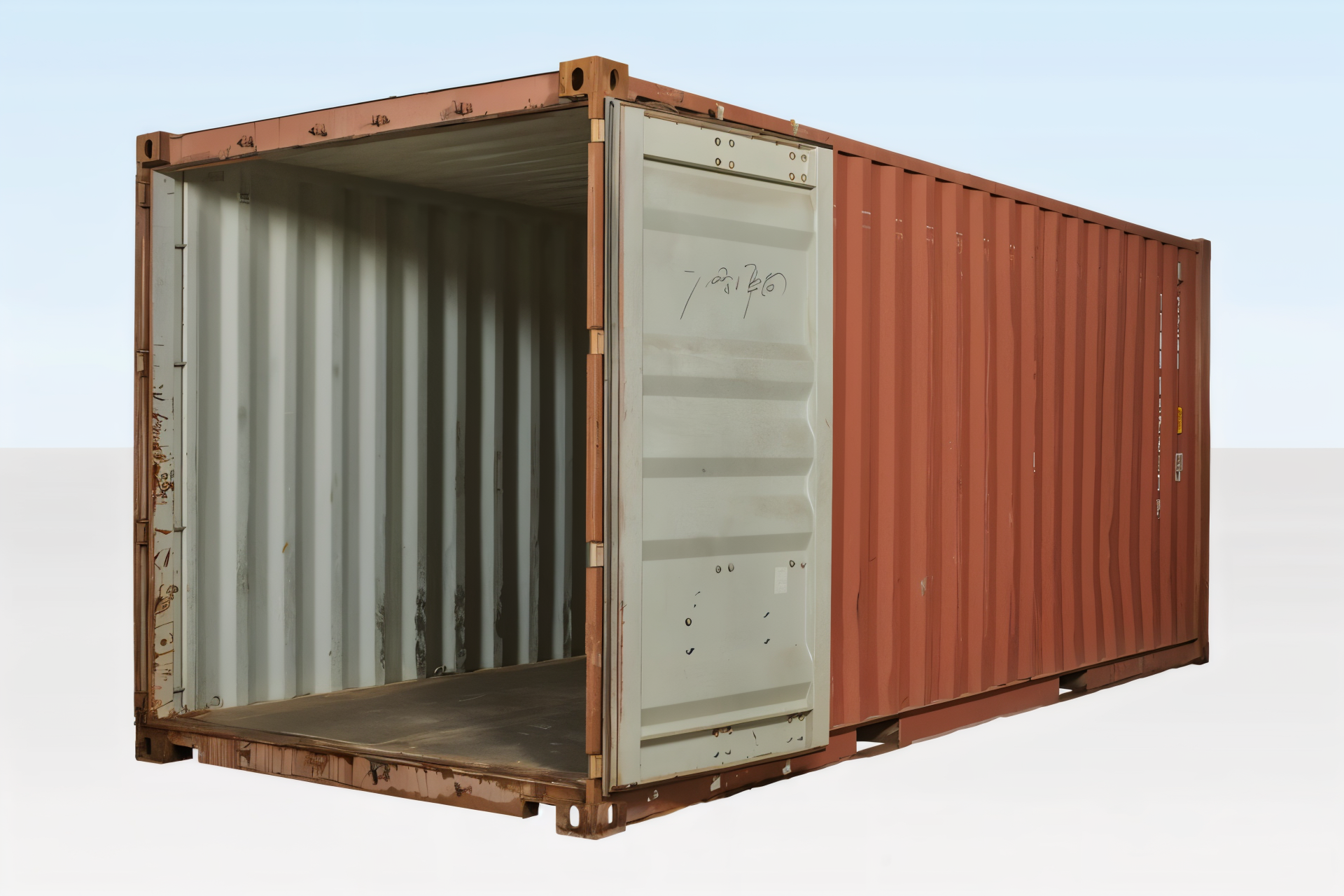
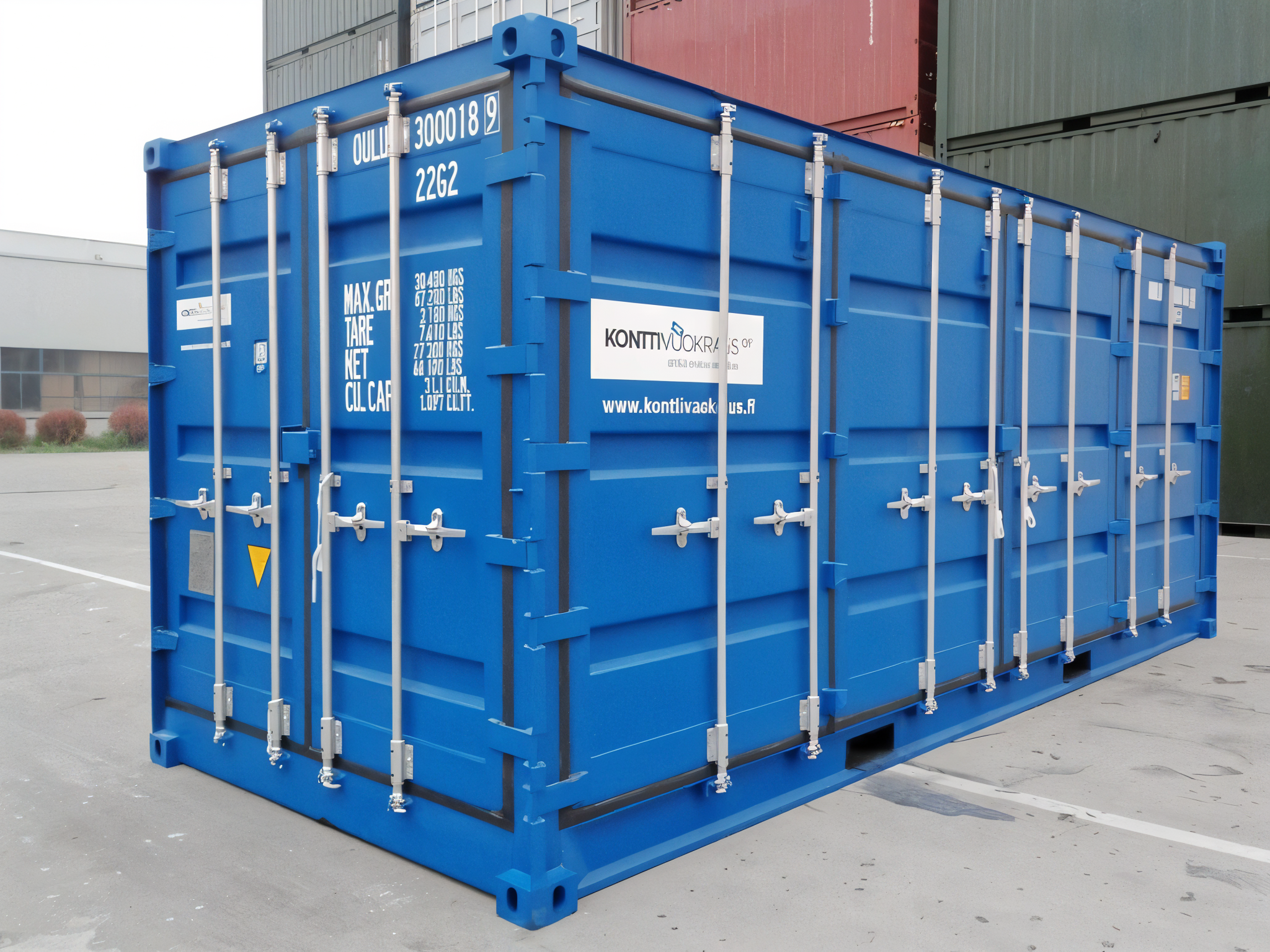
A 20ft used wind and watertight container is the usual starting point for dry storage. Wind and watertight (WWT) means it keeps rain and weather out, so it is sound for storage but not certified for ocean transport. Used steel shows cosmetic wear and some surface rust, which matters less on a back lot than at a street front.
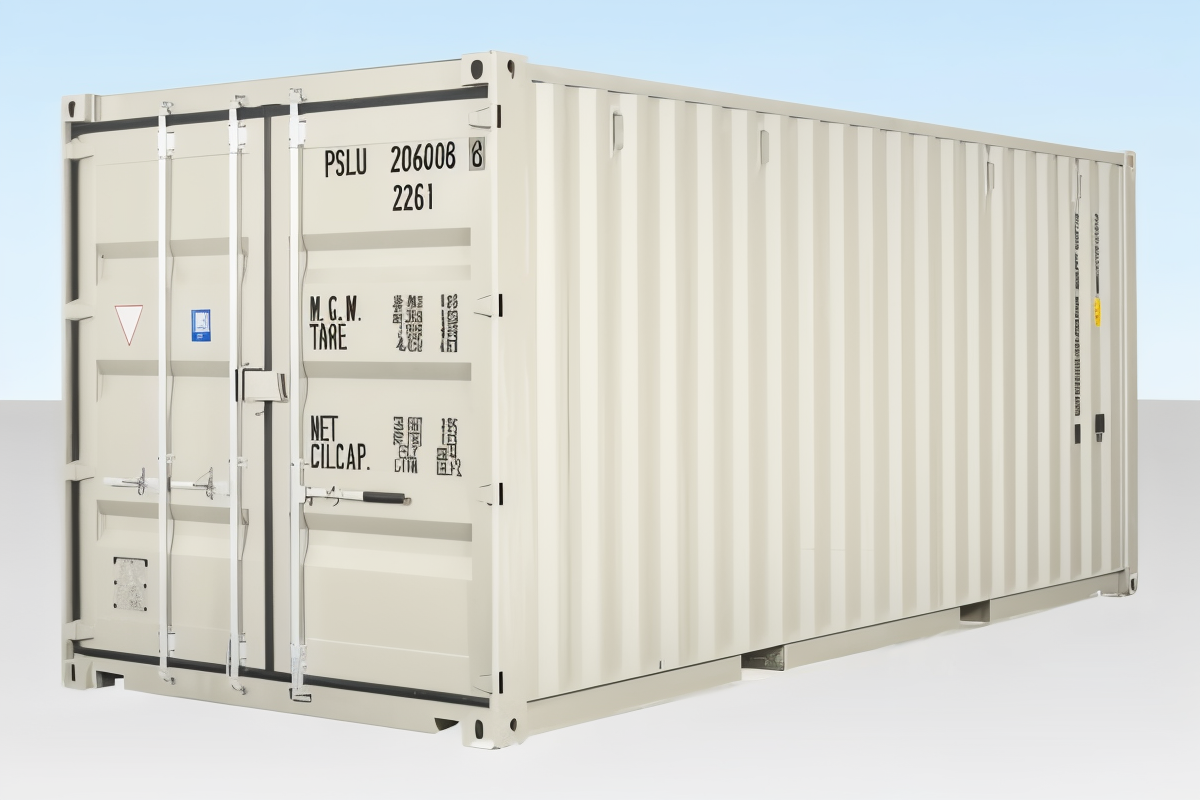
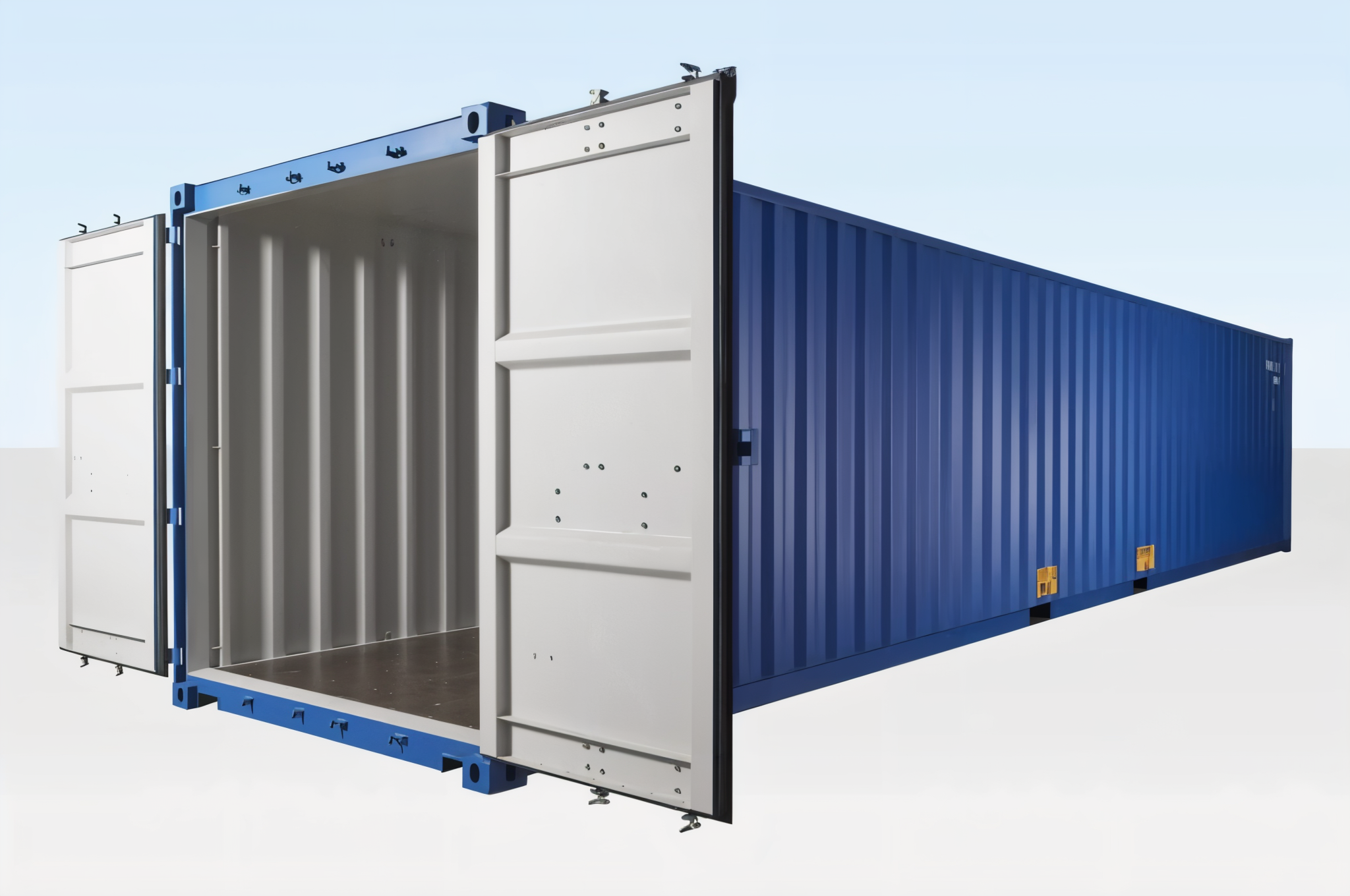
If the box will sit for years where customers or neighbors see it, a 20ft one-trip white container is the cleaner choice. One-trip means it shipped once from the factory overseas and was then sold, the closest thing to new. Road salt and wet snow are hard on bare steel, so intact factory paint buys time, though you should still touch up any scratch after delivery. When a shop or contractor needs room for racking or tall stock, a 40ft one-trip high cube adds 1 foot of height over a standard container, for 9ft 6in overall. A 40ft unit is also a long truck and a long straight run, so it suits a yard better than a residential driveway.
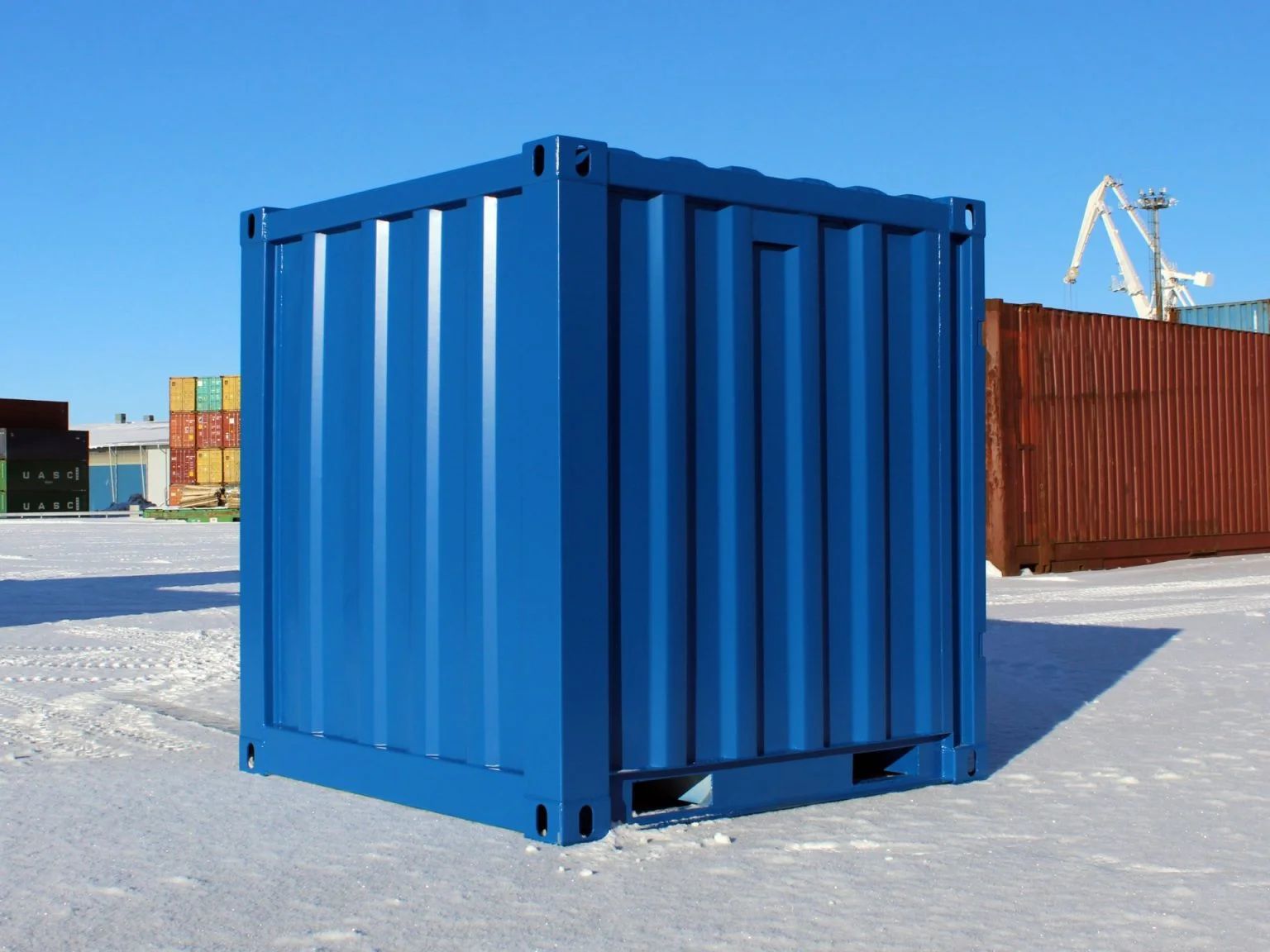
On narrow lots in older city neighborhoods and inner-ring suburbs, a 10ft used WWT container puts secure storage in roughly a parking space. For equipment and long items that are awkward to carry through end doors, a 20ft open-side container opens along the full long side. It needs clear ground on that side, which matters more once plowing starts piling snow along the lot edge.
If you plan to keep tools, paint, or paper through the winter, look at insulated containers. Insulation slows temperature swings and can reduce condensation, but it is not heating or climate control. Our guide to insulating a shipping container explains where it helps and where it does not.
Planning a Cleveland site for snow and thaw
The lake sets the rules here. The National Weather Service in Cleveland describes a snowbelt in the counties east of the city, where normal seasonal snowfall runs roughly 70 to over 100 inches. Totals can fall off sharply over short distances, so a site east of the city can see far more snow than one on the west side.
- Doors and snow. Snow and ice slide off a steel roof and pile up beside the container. Face the doors toward the side you can keep plowed, and not toward a low spot where drifts or meltwater collect.
- Truck access. A tilt-bed truck needs the straight, obstacle-free run to position and unload, and that run has to be open on delivery day. Plow banks can narrow an approach that was wide in July. Tell us about gates, overhead wires, and where plow piles land.
- Frozen and thawed ground. Frozen ground carries a truck. After a thaw, the same ground can be soft enough to rut or sink one. A compacted gravel pad drains better than bare soil, and our foundation guide compares the options. Delivery onto grass in March is a different job from delivery in January, and the honest cost of waiting for firm ground is a later date.
- Spring road limits. Ohio law lets ODOT and county commissioners lower weight limits on roads during thaws, with signs posted in advance. If your site is on a county road, ask the county engineer's office what is posted before you schedule.
- Condensation. Cold steel meeting damp air sweats, and repeated freeze-thaw cycles keep that going. See the ventilation guide before storing anything moisture-sensitive.
Permits and zoning across Cleveland and its suburbs
The City of Cleveland, Lakewood, Parma, Euclid, and every other suburb write and enforce their own zoning and building rules. In Cleveland itself, start with the city's Department of Building & Housing. In a suburb, call that city's building or zoning office. Ask whether a container counts as an accessory structure, how far it must sit from lot lines, whether it needs a permit, whether it can stay permanently or only temporarily, and whether it must stay out of sight from the street. Neighborhood and HOA covenants can be stricter than the city. Rules change by address, and this is general guidance, not legal advice. Our permits guide lists the questions to bring, and it is worth getting the answer before you order, not after the container is on the ground.
How we quote and deliver here
Send us your Cleveland-area address, the unit you want, and a note on the site. Standard containers arrive on a tilt-bed (roll-off) truck: the bed tilts, the container slides off at ground level, and no crane or forklift is needed. We check site access before we schedule, and our delivery preparation guide shows what to clear and level first. Some heavier units, such as cabins, may need a crane, and if so we say that in the quote.
What you get with a Cleveland order
Every unit is inspected and graded before delivery, so condition is settled before the truck leaves. You get a free, itemized quote with no hidden fees: what we quote is what you pay. We reply within 1 business day. For business and shop buyers, our business storage solution page covers sizing and layout in more detail.
Get a Cleveland quote. Send your address and the unit you are considering, and we will tell you what fits your site.
Photo: Downtown Cleveland from Wendy Park by k_e_lewis, licensed under CC BY 2.0.