Service Area / Ohio
Columbus, OH shipping containers for sale and delivery
New and used containers delivered to your site in Columbus and nearby suburbs, inspected and graded before delivery.
- Dublin
- Westerville
- Hilliard
- Grove City
- Gahanna
- Reynoldsburg
- New Albany
- Upper Arlington
- Pickerington
- Delaware
- Marysville
- Newark
- Lancaster
- Supplier
- Forge Containers
- Phone
- (725) 346-9435
- Response
- Quotes come back within 1 business day
 Open in Maps
Three local facts shape a container order in Columbus, OH: a freight economy that moves steel boxes by rail through the region, suburbs that each set their own rules, and clay-heavy ground that punishes a badly prepared pad. We sell new and used containers and deliver them to your site in Columbus and the communities around it. You choose the unit, we quote delivery to your address, and a tilt-bed (roll-off) truck sets the box on your ground. You do not need to visit a yard or arrange a pickup.
Delivery in Columbus, OH and the suburbs around it
We deliver to sites in Columbus and nearby, including Dublin, Westerville, Hilliard, Grove City, Gahanna, Reynoldsburg, New Albany, Delaware, Marysville, Newark, and Lancaster. Send the address and we confirm whether we can reach it.
Columbus is an inland freight hub. Norfolk Southern opened its Rickenbacker Intermodal Terminal near the city in 2008, inside the Rickenbacker Global Logistics Park, and the Columbus Region counts 3 intermodal terminals in total. An intermodal terminal is where containers move between trains and trucks, so steel boxes are a normal sight in central Ohio freight. That does not set your price or your delivery timing, and it does not mean we stock boxes at a terminal. The quote for your site does that, which is why we ask for the address first.
Containers we deliver in Columbus
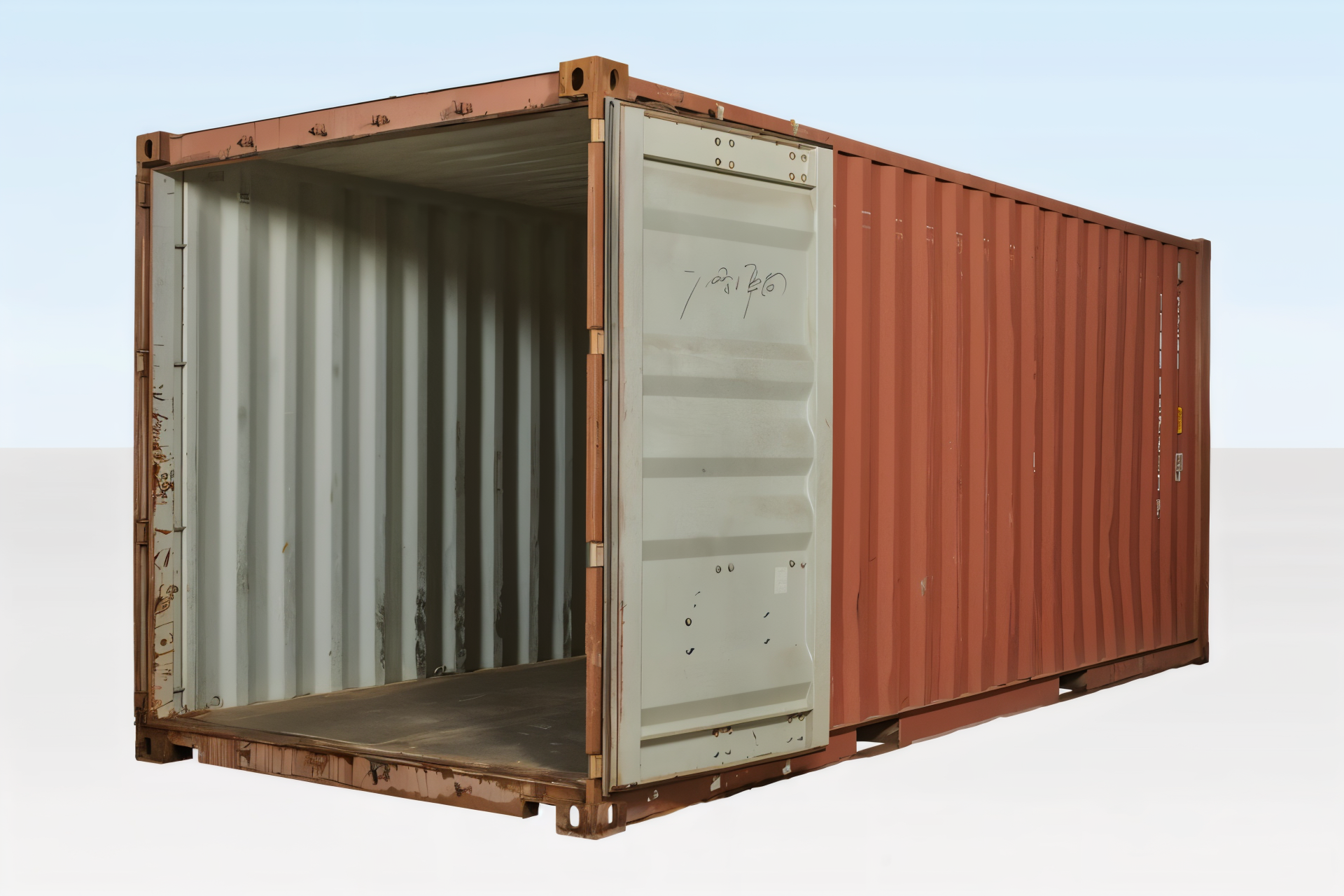
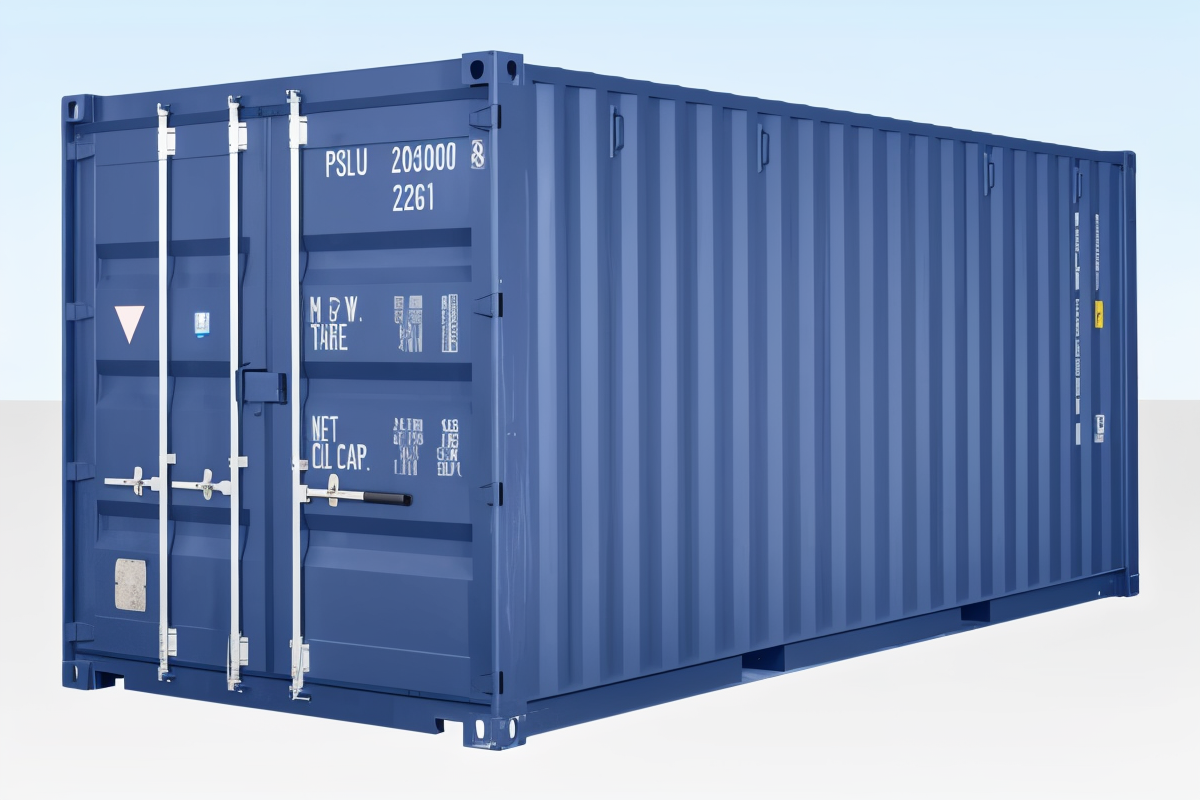
Suburban build-outs around Columbus keep crews on subdivision lots and commercial parcels that need lockable storage on site. A 20ft wind and watertight container is the usual pick for a construction site. Wind and watertight (WWT) means it keeps weather out and suits storage, but it is not certified for ocean transport. Expect some dents and surface rust on a used box.
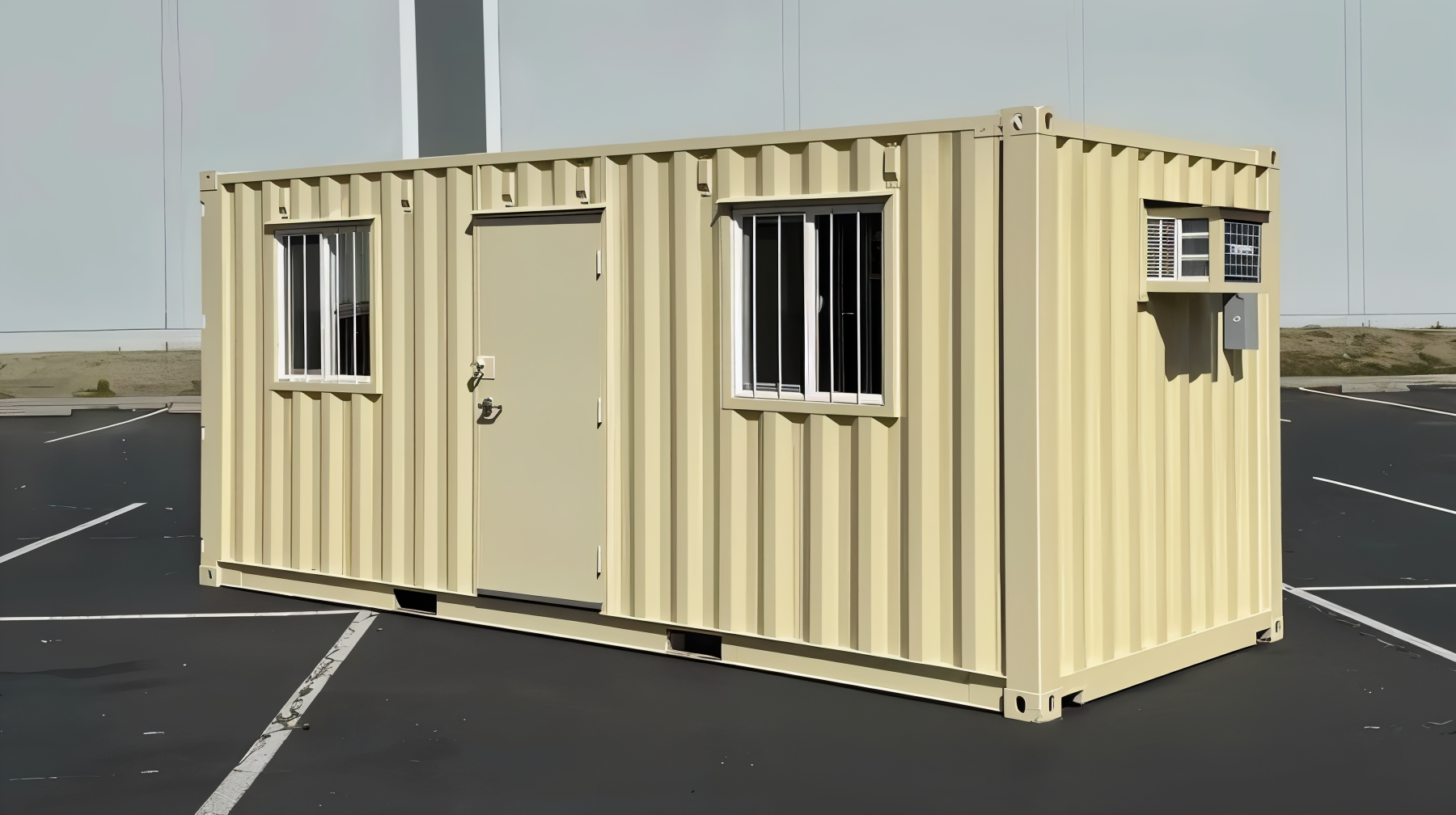
If you need a place to work more than a place to store, a 20ft ground-level office container gives a crew or a small business a fitted-out workspace on site. See our container offices page for how they are used. It is heavier than a plain box and may need a crane, and we say so in the quote, not on delivery day.
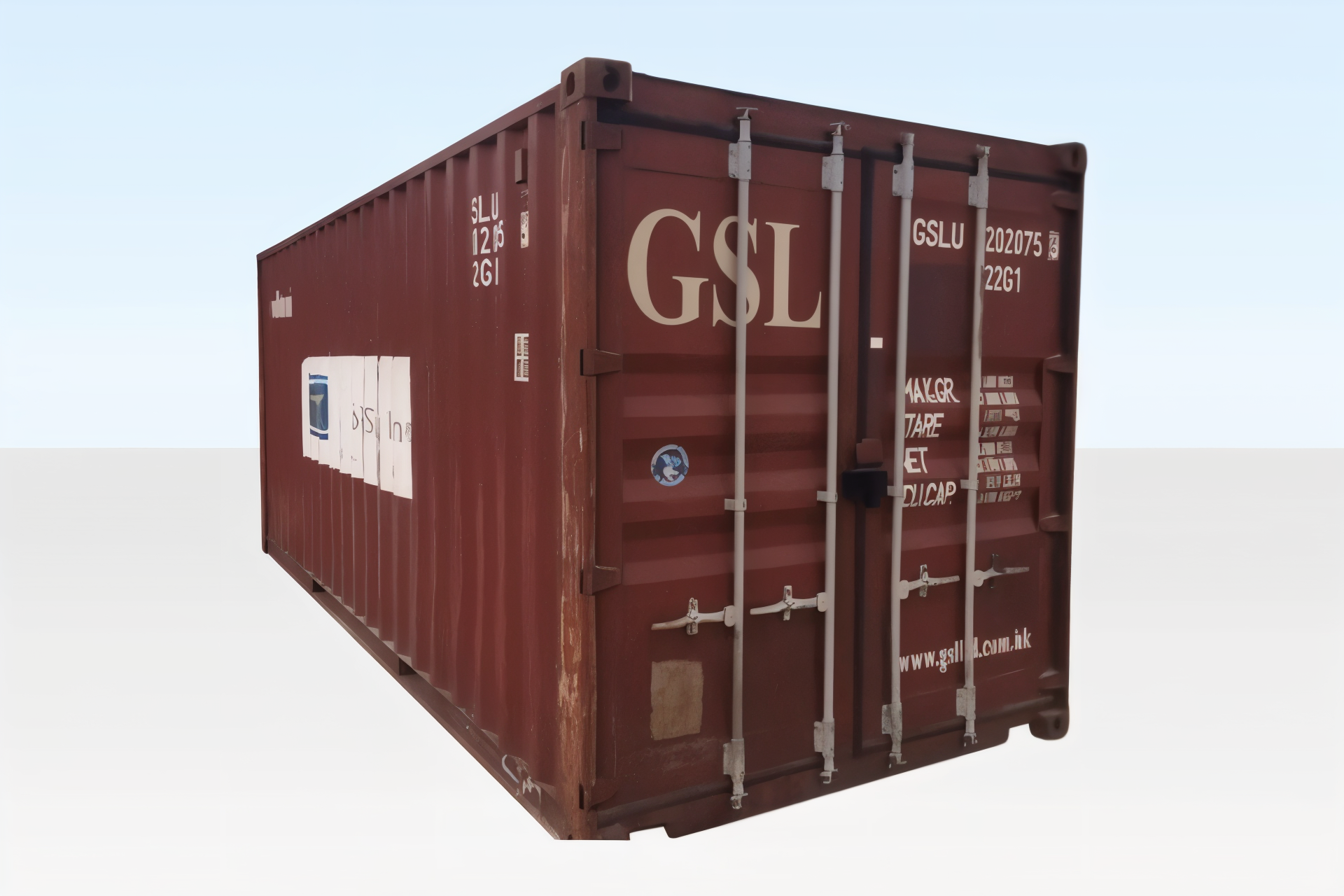
Central Ohio companies that load and move goods by truck or rail may want a 20ft cargo-worthy dry van. Cargo-worthy (CW) means inspected fit to carry cargo, with sound doors, floor, and seals. If you only need storage, compare it with the WWT grade first; our condition grades guide explains the difference.
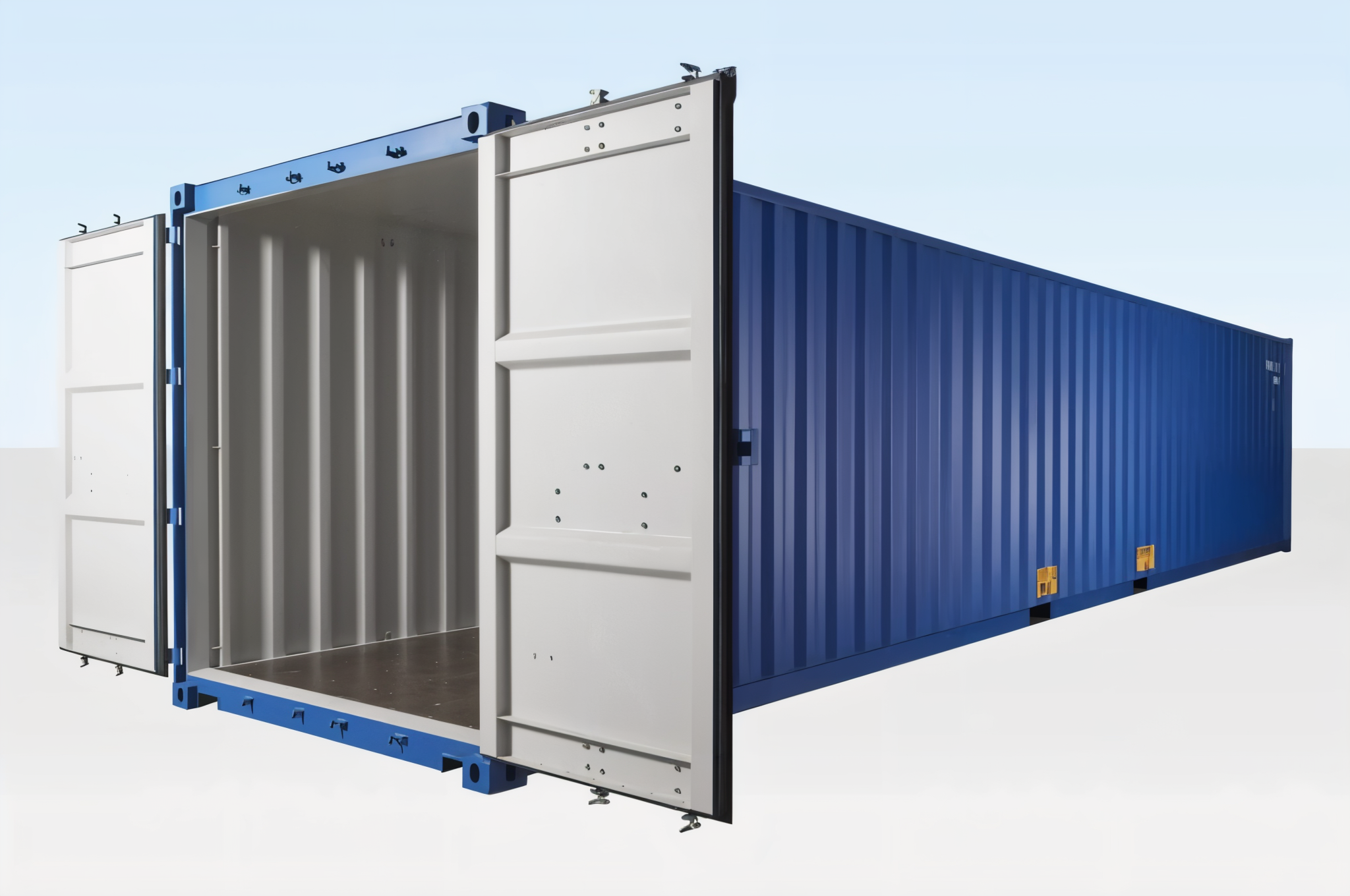
For the most room, a 40ft one-trip high cube adds a foot of height at 9ft 6in. One-trip means it crossed the ocean once with a single cargo, the closest thing to new. It needs a longer straight run for the truck, so it suits business storage on open lots more than tight driveways.
If a neighbor or an HOA board will see the box, a 20ft one-trip container shows little wear. A clean finish does not make it permitted, so read the rules before you order.
Setting a container on central Ohio ground
The Franklin Soil and Water Conservation District lists 3 soil problems for building in the county: clay with high shrink-swell potential, wet soils with a high water table, and hardpan that blocks drainage. A container is lighter than a house, but its weight sits on 4 corners. On clay that swells in spring and dries out by August, one corner can settle and the doors start to bind.
Soil changes from parcel to parcel, so check your lot in the USDA Web Soil Survey or ask a local excavator. A graded gravel pad with water draining away from the box is the common answer, and foundation choice by use covers the step up to piers or a slab. Freeze-thaw winters can heave a base that holds water, and if a corner does move, a level check and shim is the fix. The tradeoff is cost and lead time: a prepared pad adds work before delivery, and skipping it usually means correcting the box afterward.
The tilt-bed truck slides the container off at ground level, with no crane or forklift for a standard box. We check site access before delivery: the straight, obstacle-free run the truck needs to position and unload, plus overhead lines and ground soft enough to rut after rain. Our delivery prep guide lists what to clear.
Permits and HOAs vary by suburb in Columbus, OH
Ohio's Board of Building Standards certifies municipal, township, and county building departments, so the office that reviews your container depends on your address. The state publishes a jurisdiction map where you enter an address and get the responsible department. A Columbus address answers to the city's Building and Zoning Services. A suburb or township address may answer to a different office with different rules on accessory structures, setbacks, and permits.
An HOA is a separate gatekeeper. Its covenants can restrict a container even where the city allows one, and the reverse can also be true. Get the answer in writing from both before you order. This is general guidance, not legal advice, and our permits guide shows the questions to ask.
What you get when you order for a Columbus site
Every unit is inspected and graded before delivery, so condition is settled before the truck leaves. You get a free, itemized quote with no hidden fees, and what we quote is what you pay. We reply within 1 business day. The limit is that we cannot promise a date until we have your address, your gate and access details, and the unit you want.
Get a Columbus quote: send your address, the unit you are considering, and any notes on slope, gates, or overhead lines.