

Education & Training
Teaching space that arrives by truck, not by construction schedule
Converted containers built into overflow classrooms, tutoring rooms, and trades labs, sized and permitted honestly.

Built for the job
Opens sooner than a stick-built room
While your pad and power go in on-site, the unit gets finished elsewhere, well ahead of a framed addition. Occupancy permits demand real review time regardless, so start that paperwork early.
Right-sized for small groups, not full classes
Groups of roughly 4 to 8 fit comfortably in an 8ft-wide unit: tutoring, testing, pull-out sessions. A 30-student class won't fit, needing a wider cabin, joined units, or a separate building instead.
Weathertight steel instead of a wood trailer
Weather, rot, and rough campus handling wear down an aging trailer faster than a corten steel shell. Bare steel alone isn't a classroom: insulation, HVAC, and acoustic lining make the baseline.
Can move as enrollment shifts
Demolition isn't the only option when campus plans shift, since the unit can be lifted and moved instead. That move restarts permitting at the new site, and heavier cabins may need a crane to lift.
Storage that matches the classroom
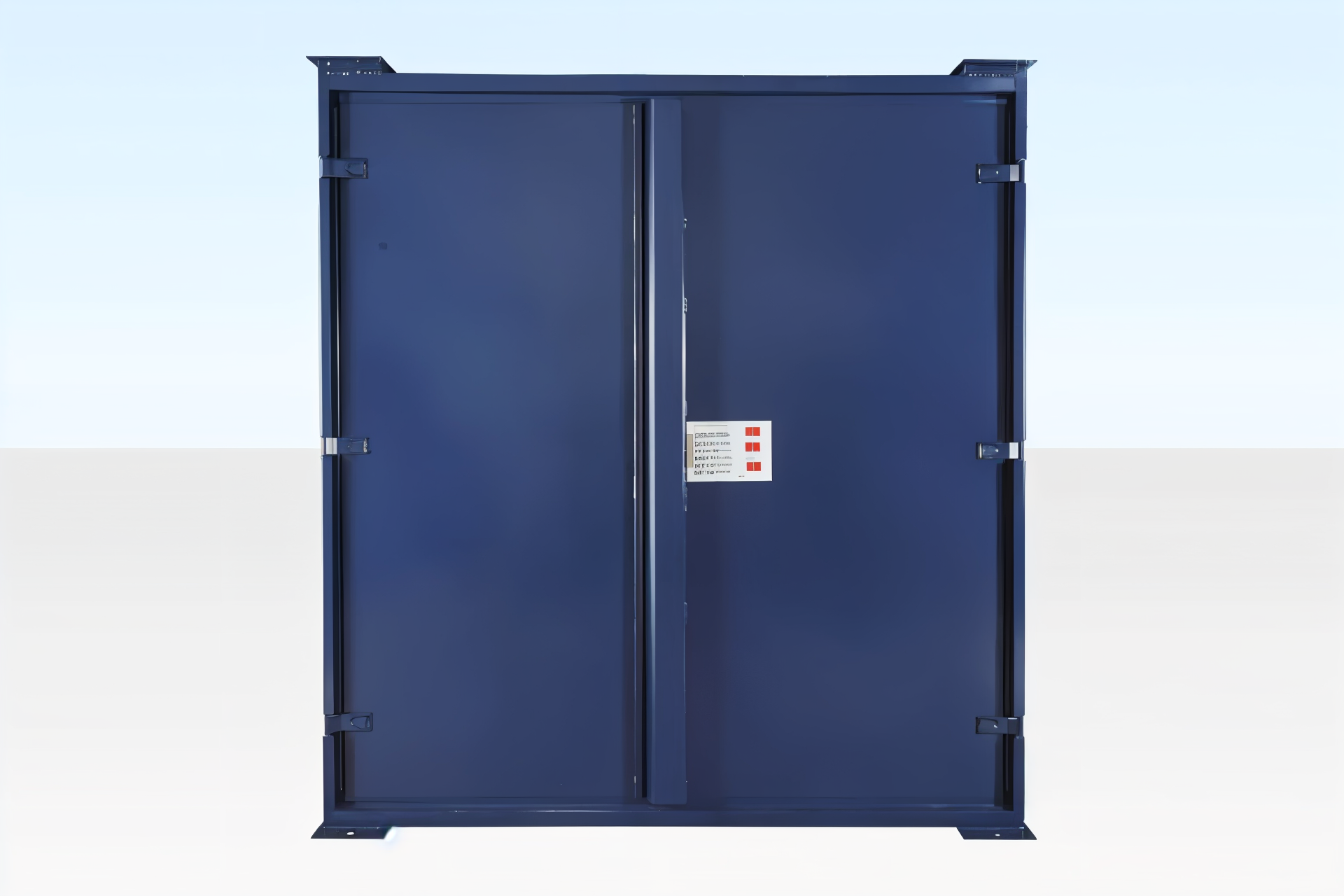
A stackable storage cabin set beside the classroom holds sports gear, instruments, or lab stock on a small pad. Storage units aren't rated for occupancy, so never hold class in one.
One itemized quote, upfront
Expect a free, itemized quote covering both the unit and delivery, with the number we quote holding firm. District requirements shape the fit-out scope, so the final spec waits on a site check.
Take a steel container or portable cabin, convert it into finished teaching space, insulated, wired, heated, cooled, and you have a container classroom. Schools lean on them for overflow rooms and testing space, and tutoring centers, churches, camps, and trades-training providers use the same approach to add rooms outside any construction timeline.
Why campuses run out of room
Maybe a program grows by a section, a renovation pulls 2 rooms out of use, or a testing window needs quiet space nowhere on campus provides. Eventually a stick-built addition solves it, though design, bidding, permitting, and construction together routinely eat up more than a full school year. Wood-framed portables fill the gap in the meantime, yet they come with their own lead times and don't age well once weather works its way in.
How a container turns into a room
By the time the truck shows up, most of the build is already done. While your pad and power get run at the campus, framing, insulation, electrical, windows, and doors go in off-site, letting both tracks move at once rather than one waiting on the other. Matching the unit to the room might mean glazed doors, extra windows, more insulation, or a second exit if egress rules call for it, and our custom modifications service handles that scoping. Need staff workspace as well? The same setup covers on-site workspaces and container offices.
The honest math on 8ft of width
Outside, a standard container runs 8ft wide, though insulation and wall lining shave that down to roughly 7ft on the inside. That works for 1-on-1 tutoring, testing carrels, a music practice room, or a pull-out group of 4 to 8 students, not a 30-student class. Real elbow room comes from a 10ft-wide cabin instead, and a full-size classroom needs several units joined through structural openings, which is a construction project rather than a simple delivery. Trades training cares less about width and more about length and height: a one-trip 40ft high cube (one-trip means shipped once from the factory, then sold; high cube means 9ft 6in tall, about 1ft taller than standard) runs benches and equipment down one wall.
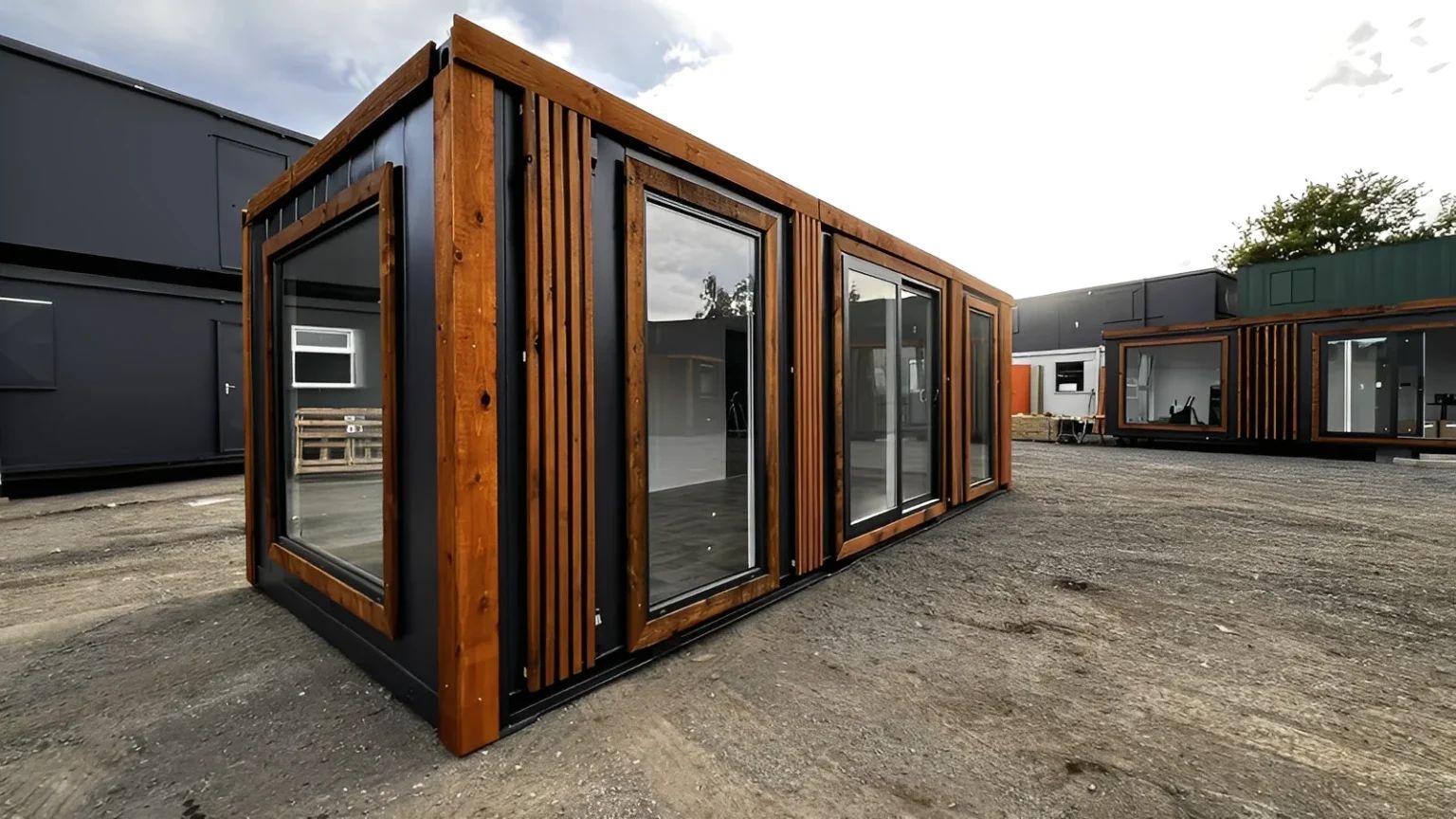
A classroom counts as commercial occupancy
Placement permits alone usually cover a storage container sitting on private land. Add students to the room, though, and everything changes: building departments classify an occupied unit as commercial construction, often under an educational occupancy category, which brings egress compliance, ADA-accessible entry, fire alarm and detection, and proper ventilation into the checklist. District and state requirements differ, and none of this substitutes for legal advice. Our shipping container permits guide covers the process end to end — get it moving before ordering, since the review step usually takes the most time.
The baseline spend: insulation, climate, acoustics
Left bare, a container is just a resonant steel box that mirrors whatever the outdoor temperature happens to be. Getting it classroom-ready takes 3 things: insulation covering every surface (our shipping container insulation guide outlines what's available), a minisplit (a compact wall-mounted heating and cooling unit), plus acoustic treatment, because unfinished steel walls turn speech muddy and make a drum kit intolerable. None of the 3 count as upgrades; they are baseline for any occupied unit.
Matching the unit to the room
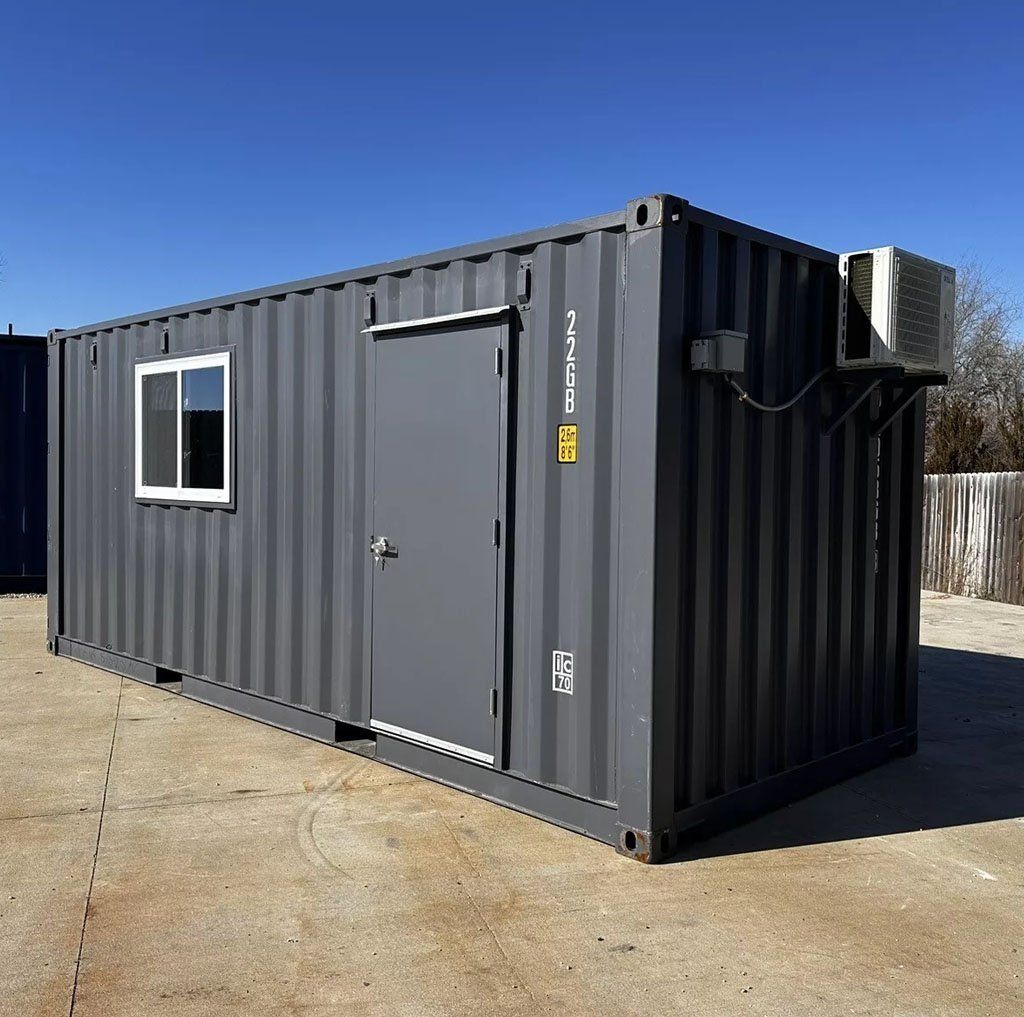
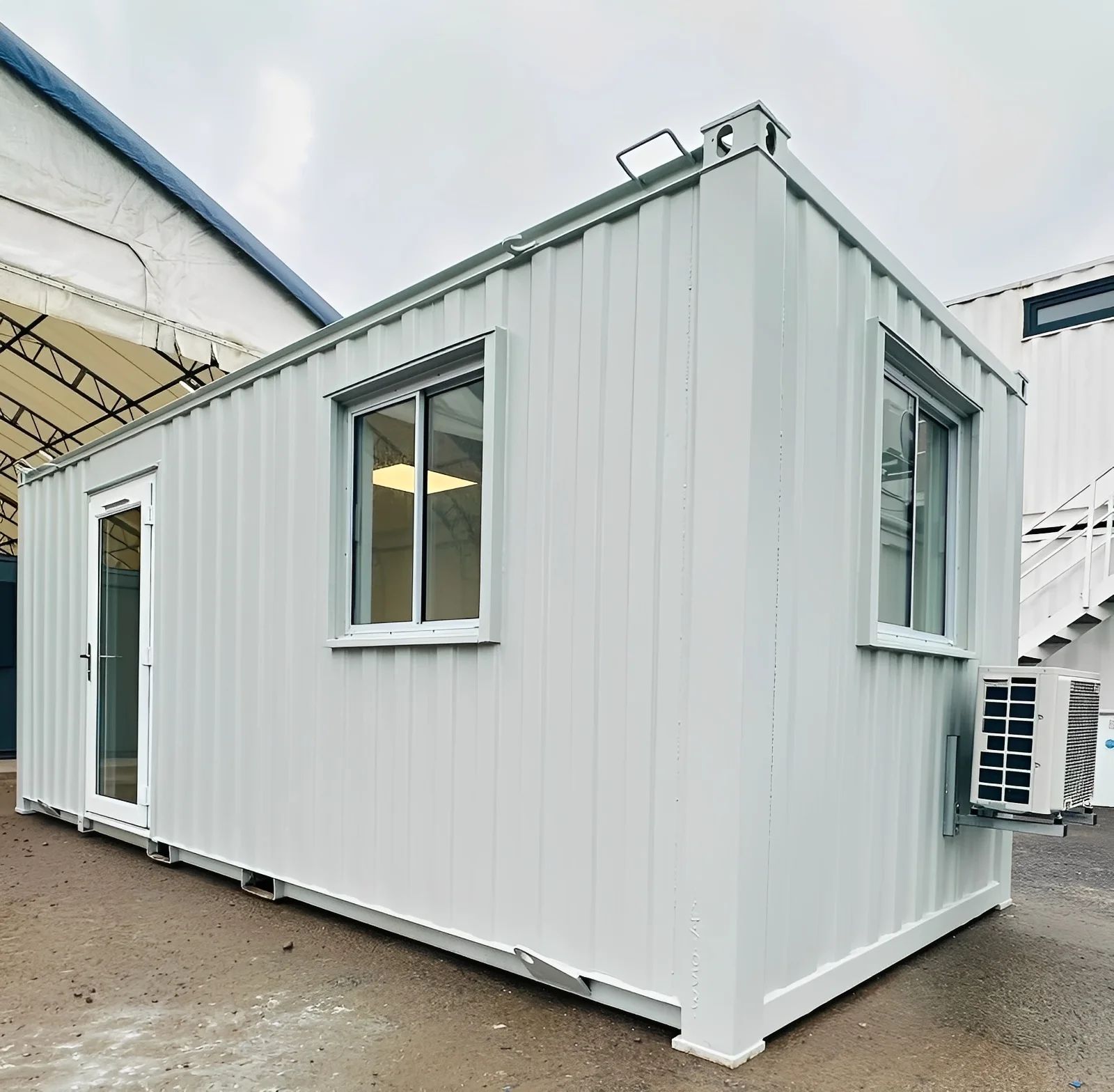
For tutoring, testing, or counseling sessions, the 21ft x 8ft container office, refurbished, with A/C comes close to move-in ready, with a glazed door and cooling built in. Below it, the 20ft shiplap office ships insulated, wired for 120V, and fitted with a minisplit, right for a single finished teaching room. Add a 12ft x 8ft steel store cabin, stackable to hold sports gear, instruments, or lab stock, just never hold class inside it, since storage units carry no occupancy rating. Inspection and grading happen on every unit before it ships.
Container classroom questions
Will we need a building permit?
Plan on needing one. Occupying a classroom triggers commercial occupancy status, bringing egress, ADA, fire alarm, and ventilation requirements with it, and some states layer on their own review for school projects. District and state rules differ, and this counts as general guidance rather than legal advice.
How many students fit in a single unit?
An 8ft-wide unit fits roughly 4 to 8 students, and a 10ft-wide cabin fits several more. Getting to 25 or 30 students means several joined units, or moving to a different building altogether.
How does the unit reach a campus?
A tilt-bed truck, also called roll-off, handles standard containers: tilting the bed lets the box slide down to ground level without any crane or forklift involved. Static office cabins, being heavier, sometimes need a crane instead. Before the delivery date, we verify site access and clearance, since the truck requires a straight, obstacle-free approach to position and unload.
Will the room stay comfortable year-round?
Yes, provided insulation and a correctly sized minisplit are in place — on its own, bare steel offers zero thermal resistance. Build climate control and acoustics into the plan from day one rather than tacking them on later.
Get a free quote
Send us the room you need, the campus address, and any district requirements, and expect a free, itemized quote back inside 1 business day, with the figure we quote holding as the figure you pay. Beyond the standard spec, windows, doors, insulation, and electrical route through our custom modifications service, while multi-unit projects like joined classrooms go through ADU and modular builds instead.
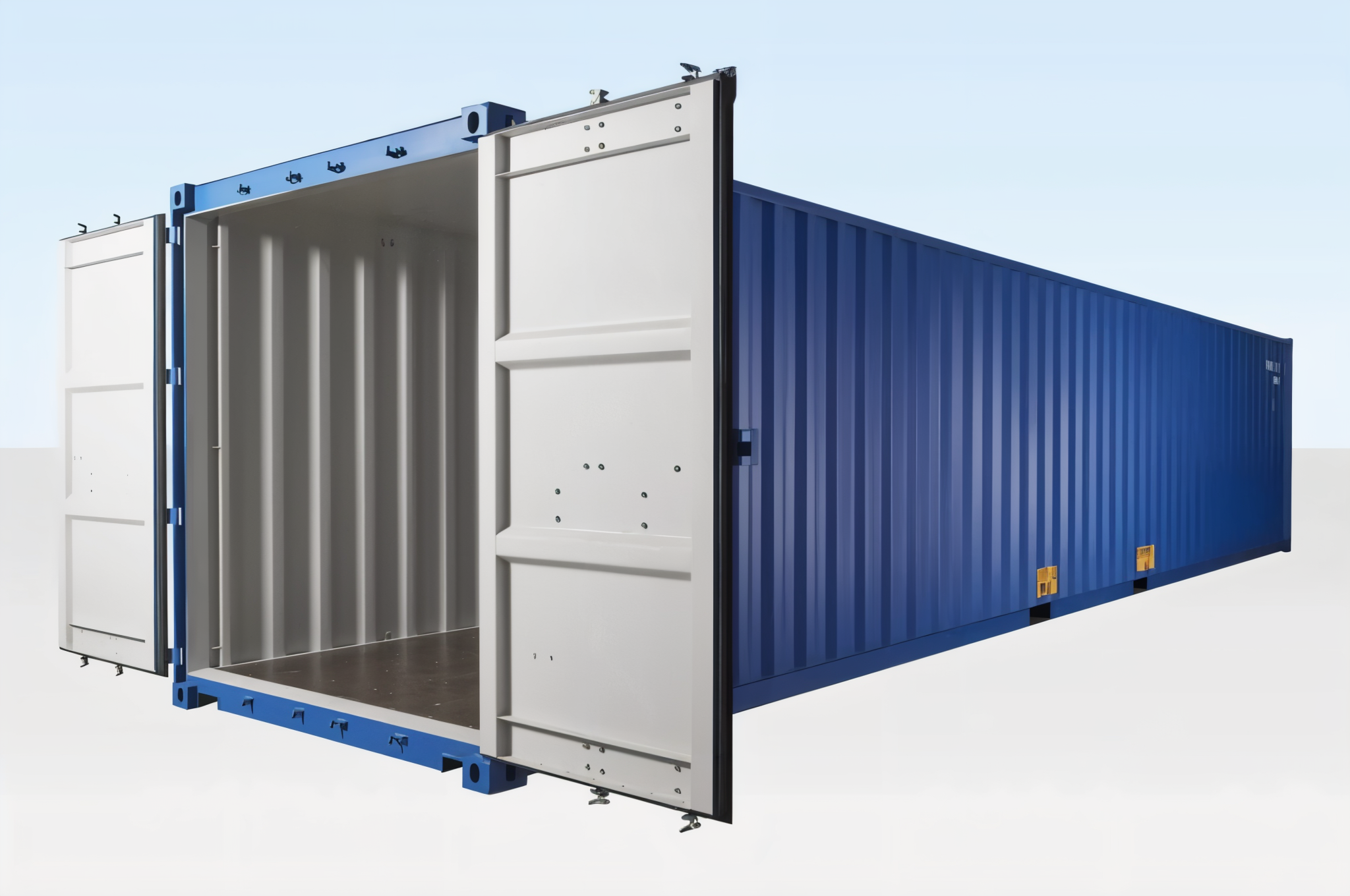
Containers suited for education & training
Related services
- Custom ModificationsCustom doors, windows, HVAC, and fit-outs
- ADU and Modular BuildsLivable ADUs built from shipping containers
- Container DeliveryDoor-to-door delivery on a tilt-bed truck
Related guides


Put containers to work in education & training
Tell us about your project and we will send a free, no-obligation quote.