Shipping Container Permits: When You Need One
Is a permit required for a shipping container? Usually not for short-term storage, but time on site, zoning, and utilities can change that.
 EditorsEditors7 min read
On this page
- Is a permit required for a shipping container?
- The short version
- How zoning codes classify a container
- Temporary placement versus permanent
- HOA rules and deed restrictions
- Setbacks and lot-coverage limits
- What most often triggers a building permit
- Exemptions on agricultural land
- What happens when the permit gets skipped
- What to ask the building department
- Common questions
- Get a free quote
Is a permit required for a shipping container?
You have picked the container and priced the delivery, and that is usually when somebody asks the question nobody set aside time for: does the city have to approve this first? Sometimes it does, and the factors that decide it stay fairly consistent no matter where you are.
This guide focuses on containers used for storage or temporary space on residential and commercial land, meaning how zoning classifies the box, what turns it into a regulated structure, and what to ask your building department. Living inside one is a separate process with much higher stakes; our guide to container homes walks through dwellings and ADUs specifically.
One thing to flag before you read on: the rules differ by city, county, and HOA, and nothing here is legal advice, only general guidance. Use what follows as the list of questions to ask, not as the final word for your particular address.
The short version
In a lot of jurisdictions, an unmodified container used for short-term storage does not need a full building permit, though a simple placement or temporary-use permit may still apply. The longer the container stays put, the more the code starts treating it like a shed, bringing in setback rules, lot-coverage limits, and sometimes appearance standards, and a building permit typically becomes necessary once a foundation, utilities, or regular occupancy get added. The building department has the final say on your specific case.
How zoning codes classify a container
You will rarely find a chapter in a zoning code labeled shipping containers specifically. Most jurisdictions instead fit the box into a category that already exists, and that category is what sets the rules:
- A temporary structure. This covers a container placed for a limited window, commonly during a move, a renovation, or a construction project. A lot of cities allow it with no permit at all, or with a simple over-the-counter one, but a time limit always comes attached.
- An accessory structure. Once a container stays put long enough, the code starts treating it the same as a detached shed or garage. Setbacks, lot-coverage limits, and sometimes appearance standards kick in, and a permit becomes far more likely.
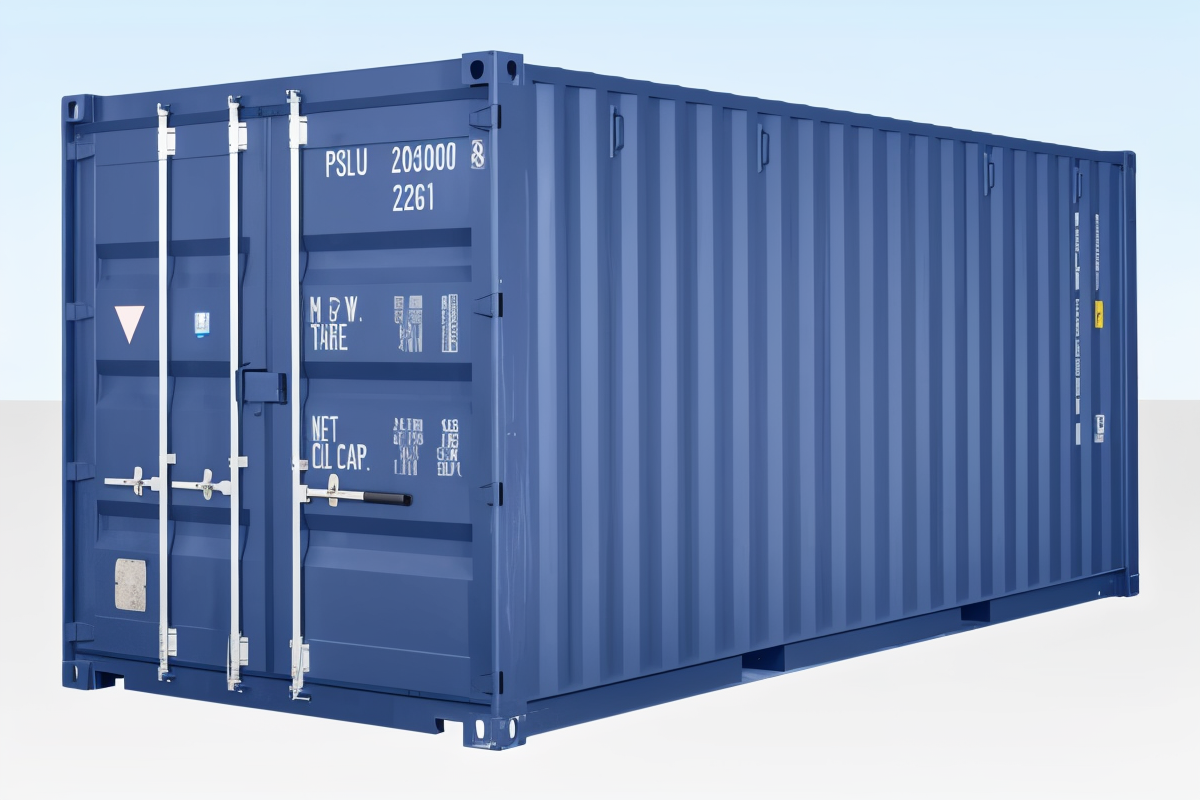
The condition of the unit itself matters less to zoning than most buyers assume. A 20ft one-trip unit (one-trip meaning it carried a single cargo load from the factory, so it arrives near-new) gets treated no differently than a 20-year-old box under most codes. What actually matters is where it sits, for how long, and what goes on inside it.
Temporary placement versus permanent
Time is typically where the decision first splits. Many jurisdictions permit a container on residential land for a set temporary window, often somewhere between 30 and 180 days, sometimes issued as a renewable temporary-use permit. Once that window closes, the container moves up to accessory-structure status, along with every rule that status carries.
That clock usually starts running the moment the container is placed, not when you first start using it, and simply intending to move it someday does not reset the count. If a container is going to stay for years, getting it permitted as an accessory structure from the start is generally cheaper than fixing a temporary placement after a violation notice arrives.
HOA rules and deed restrictions
City sign-off and HOA sign-off are two different gates, and clearing one does not clear the other. A homeowners association might ban containers outright, limit them to a screened side yard, or set a cap on how many days one can sit in a driveway. Deed restrictions can impose the same kind of limits even where there is no HOA at all. Read your covenants before you place an order, since a county permit will not override them.
Setbacks and lot-coverage limits
Once a container is classified as an accessory structure, 2 zoning numbers end up mattering most:
- Setbacks, meaning the minimum distance a structure has to keep from property lines, easements, and sometimes other buildings on the lot. A container that physically fits in your yard can still violate your setback requirements.
- Lot coverage, meaning the cap on how much of the parcel structures are allowed to occupy in total. If a house, a garage, and a deck already sit on the lot, adding a 40ft box can be enough to push the total past the limit.
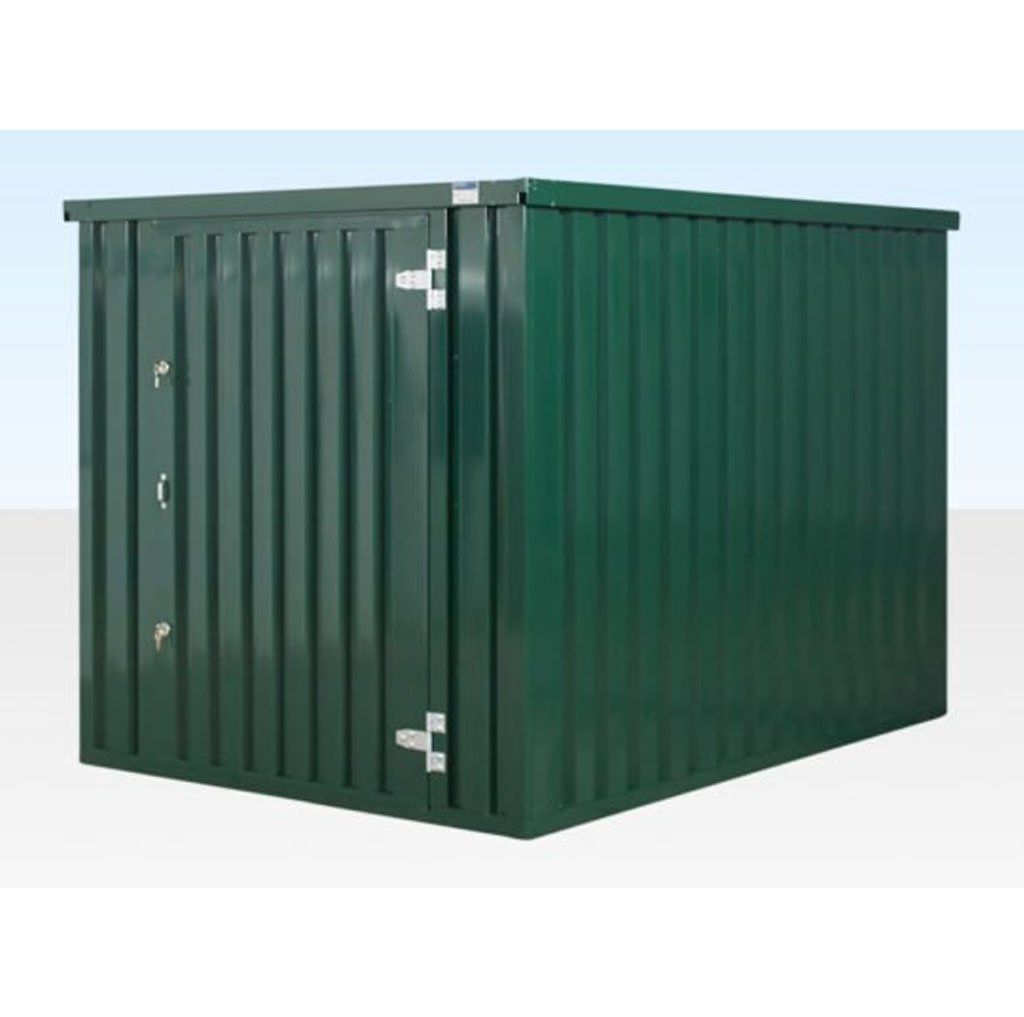
Staying small can actually work to your advantage here. A lot of codes exempt small accessory structures below a certain square-footage threshold from needing a building permit at all, and a compact unit such as a 3m x 2.1m flat-pack storage unit (flat-pack meaning it ships flat as panels and gets bolted together on site) can end up under the shed-sized threshold that some codes set. Note the word can: thresholds are not uniform, and setback rules generally still apply even in cases where the permit itself is waived.
What most often triggers a building permit
Regardless of jurisdiction, there are 3 changes that reliably push a container from a placed object into regulated construction:
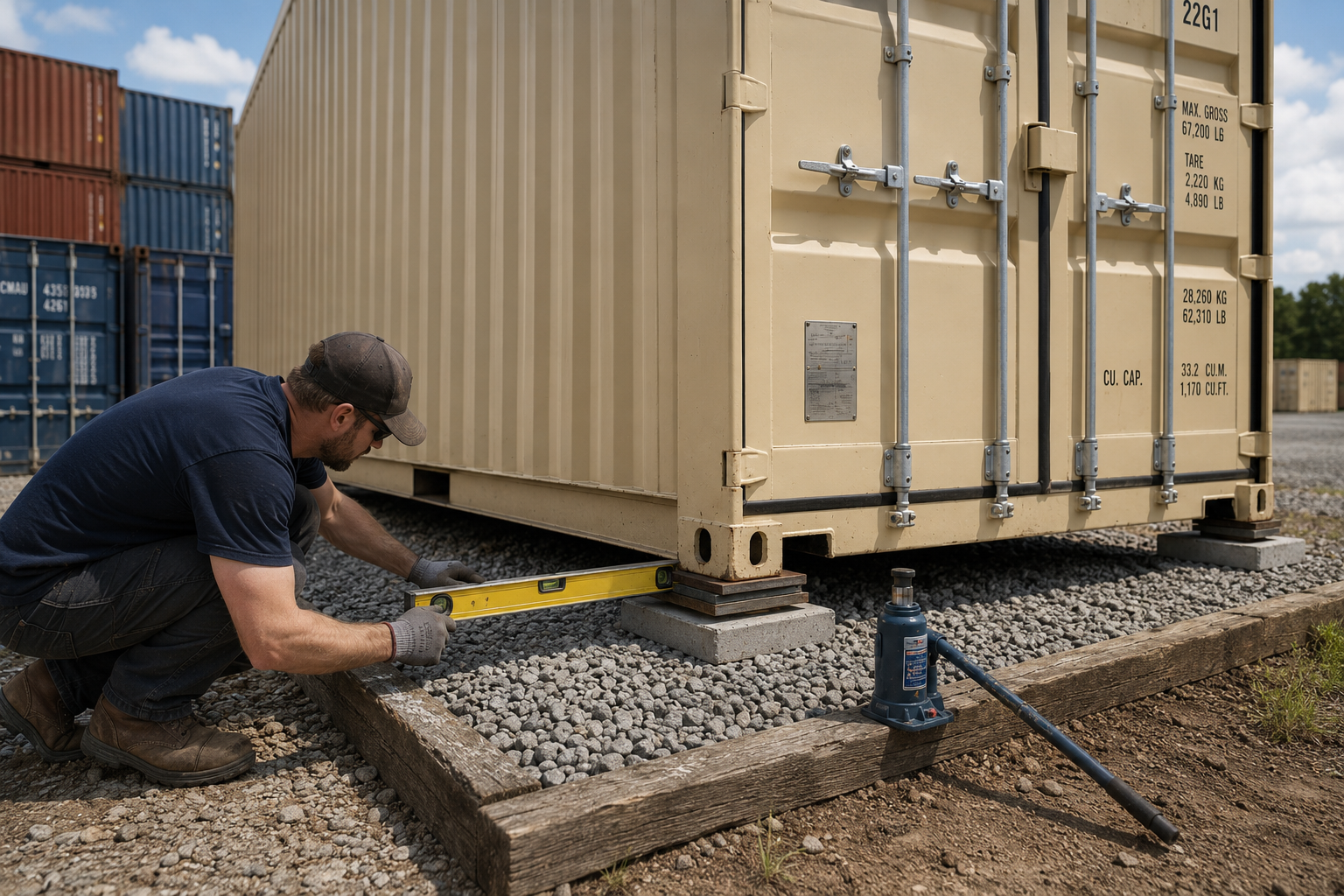
- Adding a foundation. Most local codes read piers, a slab, or footings under a unit as permanent construction. See our guide to shipping container foundation types goes through which base fits which use; settle on that before you make the call, since on-grade and anchored placements can be permitted very differently.
- Connecting utilities. Permanent electrical, plumbing, or HVAC connections almost always call for trade permits and inspections, no matter what the container is actually being used for.
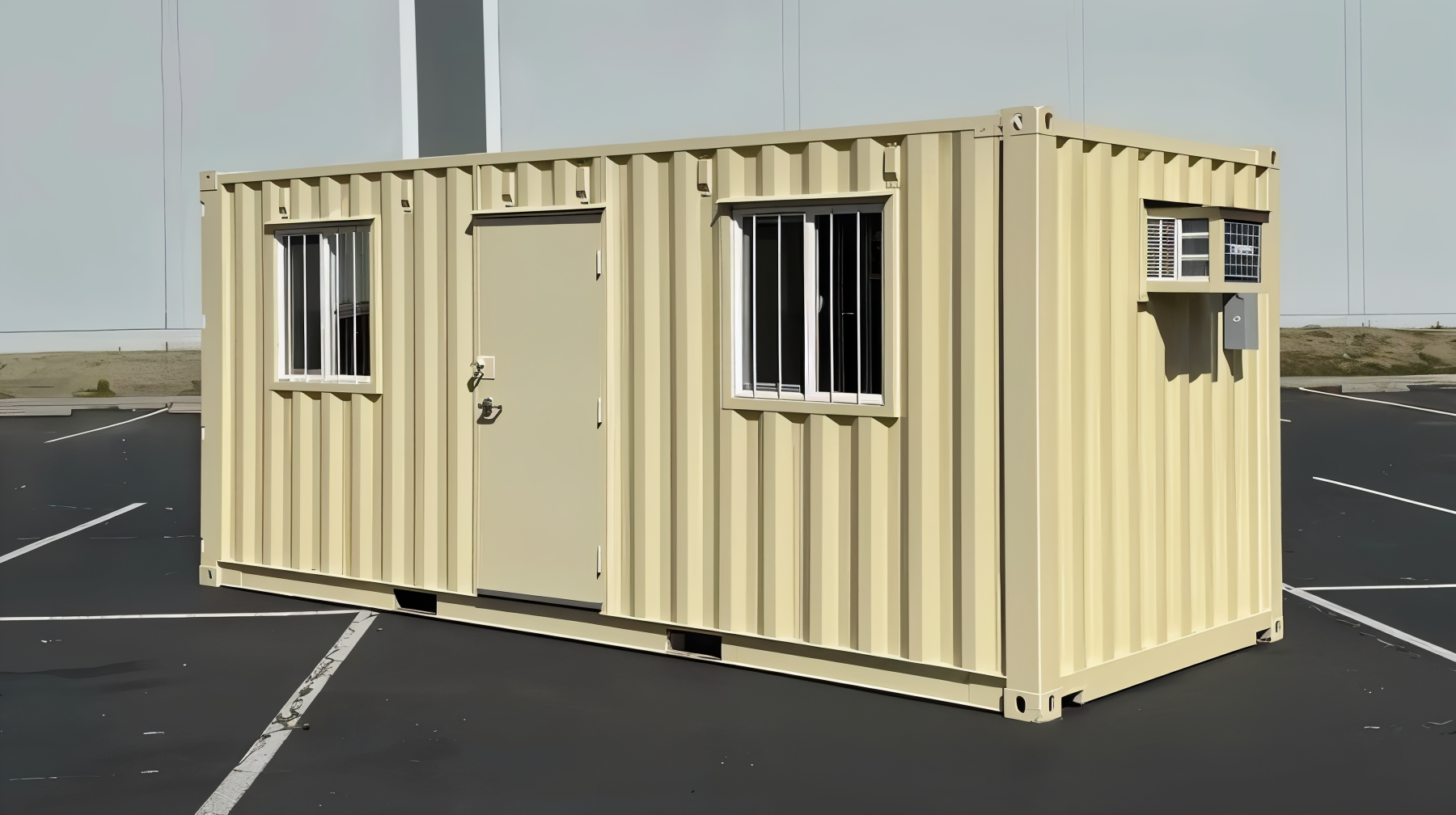
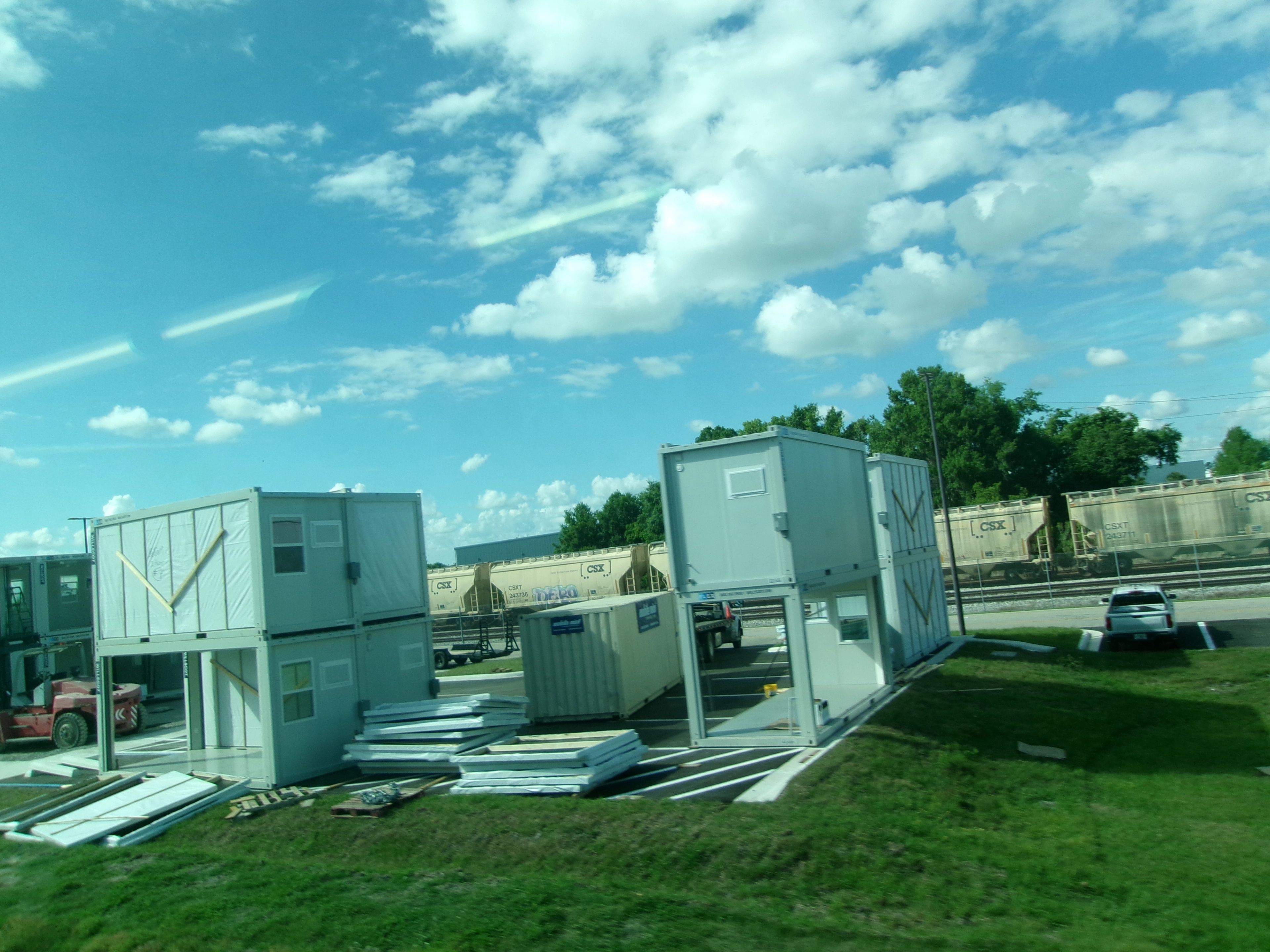
- Regular occupancy. Having people working inside on a regular basis changes how the container gets classified. A jobsite unit such as a 20ft office container set at ground level commonly operates under a construction or temporary-use permit for as long as the project lasts, while an office meant to be permanent has to go through commercial plan review instead. Schools installing classroom units sit at the far end of that same scale, facing full commercial permitting on top of fire and accessibility review.
Exemptions on agricultural land
Farm and ranch properties usually get the lightest treatment of any case here. Many counties exempt agricultural buildings on qualifying land from needing a building permit at all, and a container used to store feed, tools, or equipment often qualifies under that same exemption. The limits still matter, though: this generally covers agricultural use on land that is zoned or assessed for agriculture, not simply any container sitting somewhere rural, and floodplain or setback rules can still apply regardless. If your parcel carries an agricultural classification, ask the county directly whether container storage falls under it.
What happens when the permit gets skipped
Ignoring the question does not make it disappear; it just determines who ends up raising it later. Unpermitted containers typically get flagged through a neighbor's complaint, a review of aerial imagery, or an inspection triggered when the property is sold or refinanced. The usual sequence runs from a notice of violation with a compliance window, to daily fines in some cities, and in the harder cases, an order to remove the container at the owner's own expense. Retroactive permits are frequently an option but cost more than doing it right the first time, and a box that simply cannot be brought into compliance, for instance one sitting inside a setback, has to be moved.
What to ask the building department
Bring your parcel number to the planning counter, by phone or in person, and ask:
- Does my property's zoning allow a shipping container, and would it be classed as temporary or as an accessory structure?
- Does temporary placement carry a time limit, and can I get a temporary-use permit for it?
- For accessory structures on my lot, which setback and lot-coverage limits am I subject to?
- Below what size, if any, can an unmodified storage container skip a building permit entirely?
- What changes once I anchor it, run power to it, or start working inside it?
- Do any screening, color, or appearance rules apply?
- For an agricultural parcel, would container storage qualify for the ag exemption?
Bring along a site sketch showing distances to the property lines, since staff can respond to a marked-up drawing far faster than a hypothetical question. Check your HOA covenants on your own too, because the county will not do it for you.
Common questions
How long can a temporary container sit there without a permit?
It differs by jurisdiction, but a range of 30 to 180 days is common, sometimes issued as a temporary-use permit tied to a move, a renovation, or a construction project. Confirm the exact window with your local office, since the clock generally starts the day the container arrives.
Does the delivery trip itself require a permit?
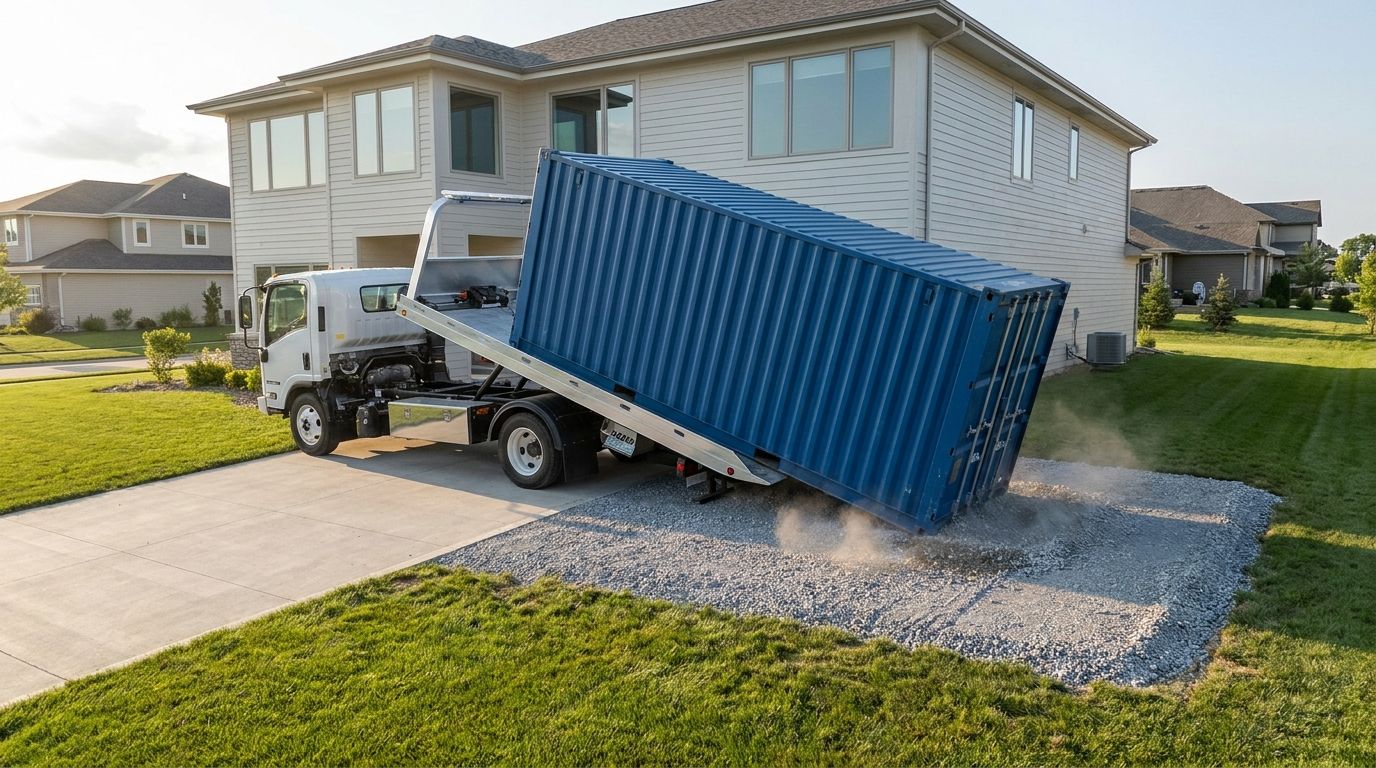
Typically not, but some cities want a right-of-way or encroachment permit when the truck or container will sit on a street or sidewalk during placement. Delivery comes on a tilt-bed (roll-off) truck that sets the container down at ground level with no crane or forklift, and we check site access and clearance beforehand, so let us know about any street placement at booking.
Get a free quote
Once the building department signs off on the placement, everything after that is straightforward. Tell us what the container will hold, where it is going, and what the county told you, and we will match a unit to it, check site access and clearance ahead of delivery, and send a free, itemized quote with no hidden fees, so the number we quote is the number you pay. Every unit gets inspected and graded before delivery, and we will reply within 1 business day.