How to Spot and Avoid Shipping Container Scams Online
Shipping container scams run easily online. Check the seller in 10 minutes, confirm the container number, and pay by a method you can still dispute.
 EditorsEditors8 min read
On this page
- Why fraud shows up in this market
- The scams that actually happen
- A 10 minute seller check
- Verify the box itself, not only the seller
- Ranking payment methods by what you can get back
- What belongs in a real quote and invoice
- Depot purchases and the release-number trap
- Marketplace and Craigslist listings need extra care
- On delivery day, document everything
- If money has already left your account
- Get a free quote
Why fraud shows up in this market
Steel carries real value, so a single fake sale can be worth the trouble of running it. Most buyers hand over money before ever standing next to the unit, because it is sitting behind a port gate or in a depot yard somewhere. Yard photos also look interchangeable from one dealer to the next, so anyone can lift a real dealer's pictures and set up a fake storefront around them.
Honest sellers ask for deposits too, so a legitimate listing and a fake one can look identical on a screen. What protects you is a routine you run every time, not a gut feeling.
The scams that actually happen
The yard that does not exist. A neat-looking site, photos lifted from somewhere else, a price below every other quote, and a demand to wire money today. There is no yard behind it, and no container either.
The deposit that disappears. You pay an invoice for a set delivery date, the date gets pushed back, and eventually nobody picks up the phone. A close cousin is the double sale, where multiple people put down deposits on the same container and whoever's truck shows up first gets it.
The condition gets swapped at delivery. You pay for cargo-worthy (CW: a used unit sound enough to be certified for ocean carriage) or one-trip (shipped with cargo a single time, so effectively new), and what shows up is a patched, freshly repainted box instead. The invoice never spelled out a grade in the first place.
The release that is not valid. You go to collect the unit yourself and the depot release has already expired, has unpaid storage attached to it, or was never actually issued by the depot at all.
A 10 minute seller check
Work through all five checks before any money moves.
- Search the state's business registry. Every Secretary of State offers a free entity search tool. Look for the legal name matching the state claimed, an active status, and a registration date that lines up with the seller's story.
- Check how old the domain is. A public WHOIS lookup reveals the registration date even if the owner's details are hidden. Treat a domain registered only weeks ago as a reason to look closer.
- Run the photos through a reverse image search. This catches most of them. Stolen yard photos usually lead back to a real, working dealer operating in a different state entirely.
- Call the phone number. A real person should pick up, say the business name, be able to name the depots they source from, and answer a specific question about the container itself.
- Pull the address up in satellite view. A legitimate seller has an actual yard or can point to their depot by name. If the address turns out to be a mailbox store or an empty lot, ask directly where the container physically sits.
No single check proves anything on its own, since small legitimate dealers really do operate out of a phone and a rented corner of somebody else's depot. What tells you the real story is how many red flags stack up together: a brand-new domain, borrowed photos, no business registration, and a demand that only accepts a wire.
Verify the box itself, not only the seller
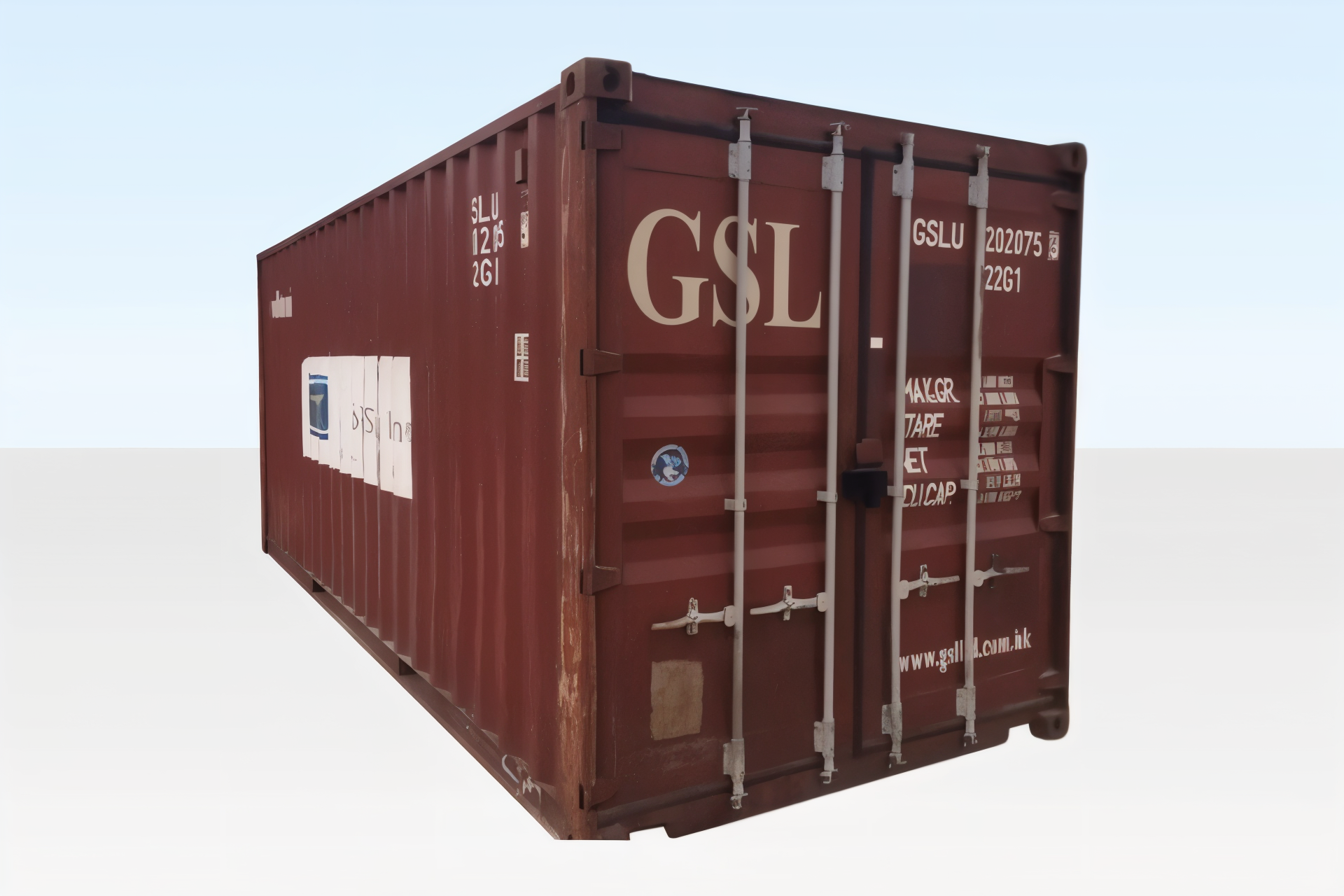
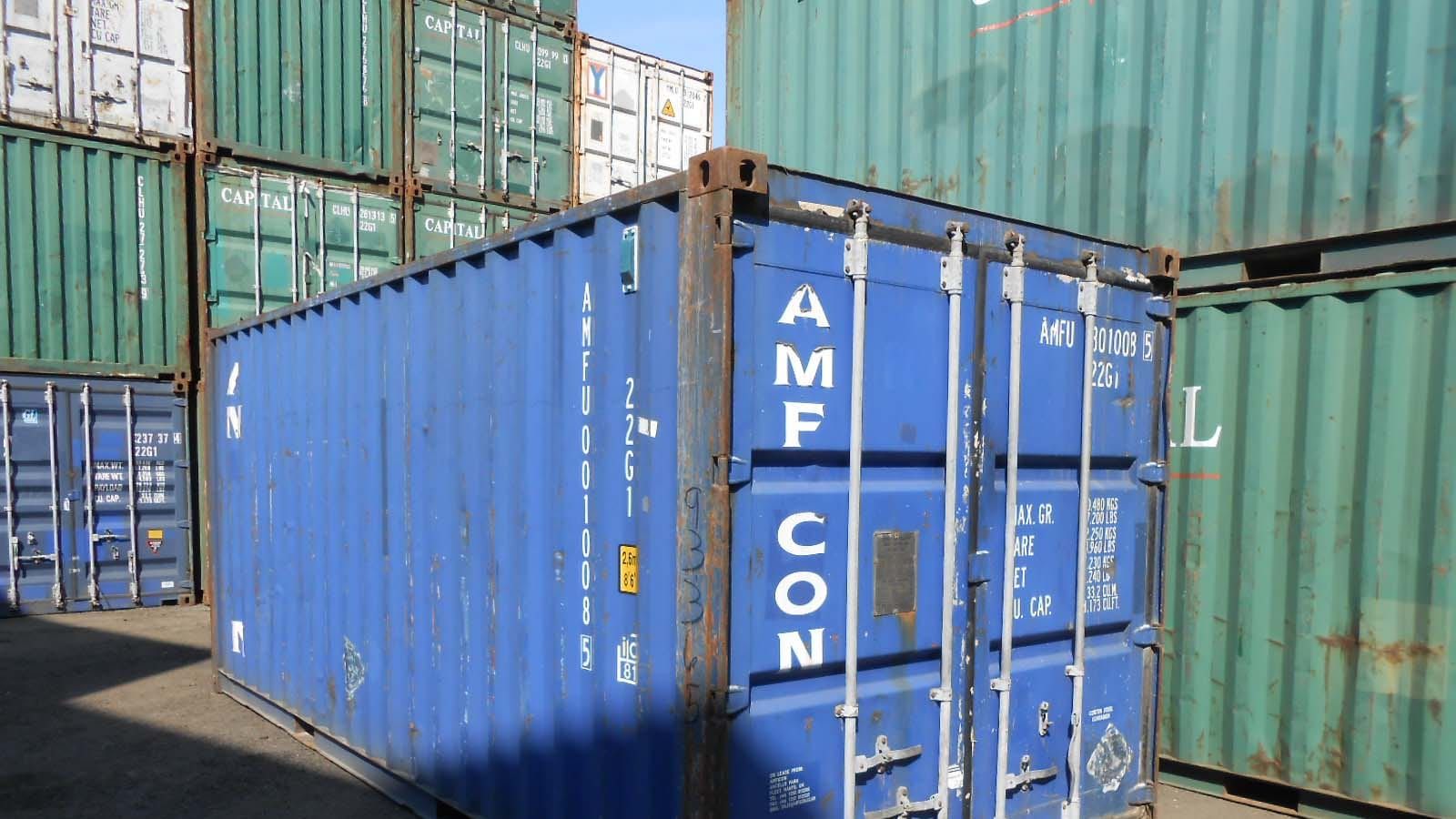
Under ISO 6346, every ISO shipping container is stamped with an 11 character marking on both the doors and the side: four letters followed by seven digits. The first three letters form the owner prefix registered with the Bureau International des Containers, and the final digit checks the 10 digits that come before it. Free public BIC tools can confirm whether a number you have been quoted is even structurally valid.
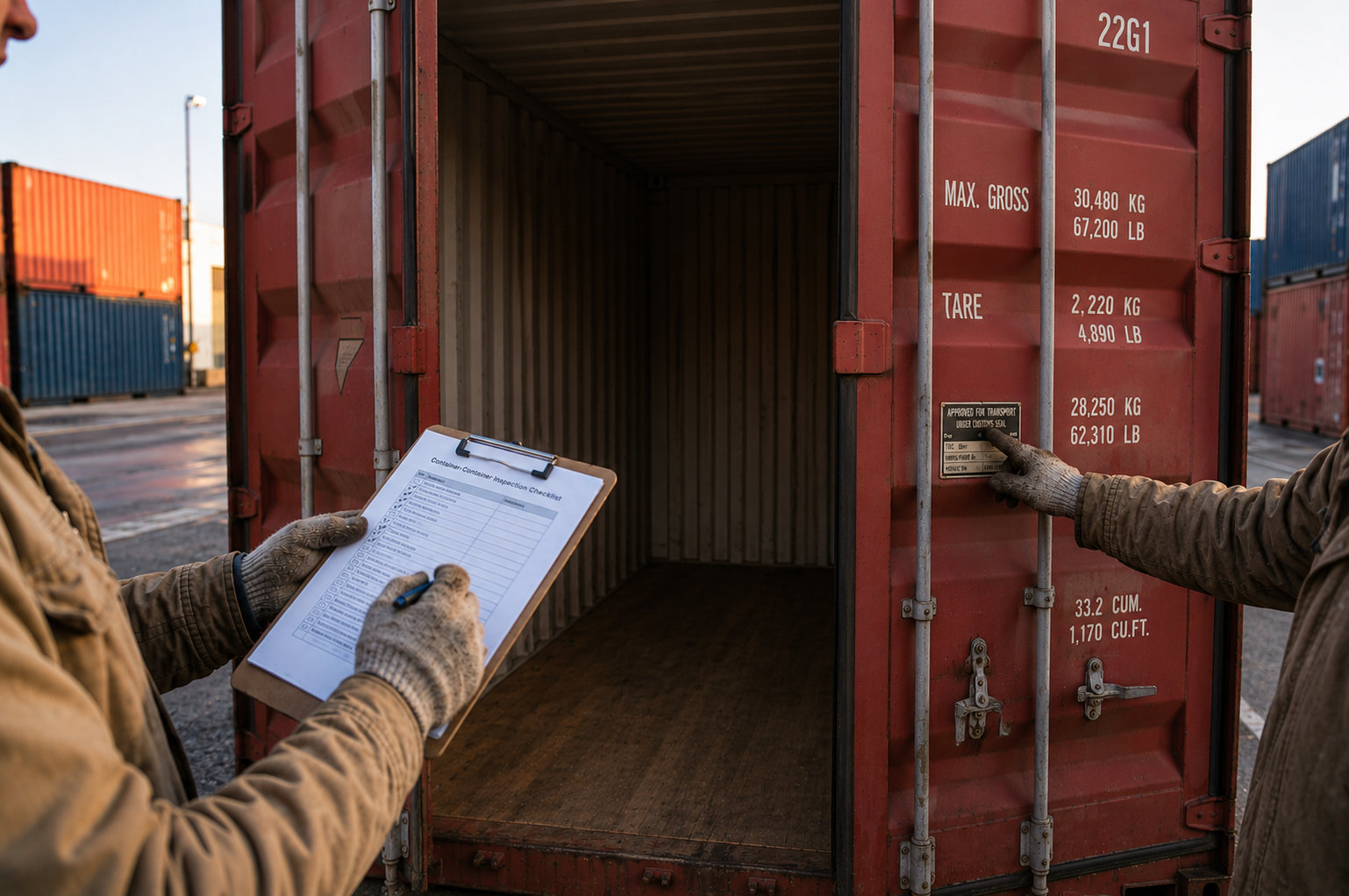
Look near the doors for a CSC plate, the Convention for Safe Containers safety approval plate, which lists approval details along with the date the unit was manufactured.
Ask any private seller for a fresh photo, taken that same day, showing the container number and the CSC plate with a dated note visible in frame. A number that checks out proves the format is legitimate; it does not prove this particular seller actually has the unit.
Condition is a separate checklist entirely; our guide on how to buy a used shipping container goes through rust, dents, seals, and floors in detail.
Ranking payment methods by what you can get back
Think of payment methods as rungs on a ladder of recourse.
- Practically irreversible: a wire transfer, Zelle, Venmo or Cash App sent to a person, a cashier's check, gift cards, or crypto. Getting anything back depends on the receiving bank still holding onto the money.
- Somewhere in the middle: PayPal's goods and services option, or an escrow arrangement, where a neutral third party sits on the funds until you sign off on the container. Both come with a claims process, and both have exclusions built in.
- The strongest protection: a credit card, which gives you a formal right to dispute the charge with your issuer if the goods never show up or turn out to be materially different from what was described. The dispute window is limited, so confirm the timeframe with your issuer directly.
Here is the tradeoff: the payment method that costs the seller least also leaves you with the least recourse. A legitimate seller might charge a card fee or decline cards on large orders, and neither of those alone is suspicious. Refusing every option except a wire straight to a person, on the other hand, is.
Put at least the deposit on a card even if the balance gets paid another way, since that money leaves your account before you have seen the container.
What belongs in a real quote and invoice
Get all of this in writing:
- The legal business name and a physical address that matches the state registry.
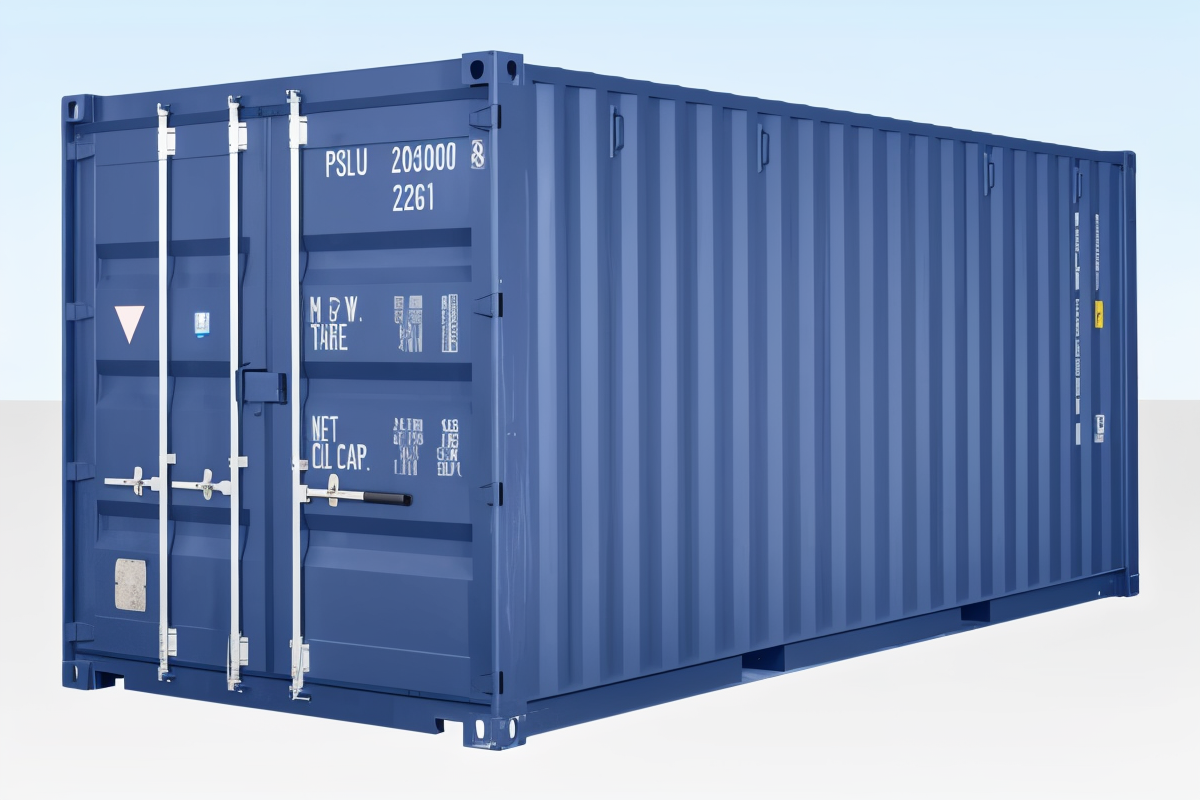
- The condition grade spelled out in words, not just shown in a photo: one-trip, cargo-worthy, wind and watertight, or a dealer-specific grade such as a Grade A used 20ft container listing, with that grade defined right on the paperwork.
- The size, 20ft or 40ft, and the type, standard height or high cube, the version built a foot taller than standard.
- Whether the price includes delivery or is for depot collection, and if collection, which depot exactly.
- The delivery method and what site access it needs. A tilt-bed (roll-off) truck sets the unit down at ground level, and it needs a straight, obstacle-free run to position and unload it.
- Who is on the hook if the truck cannot get the unit placed.
- The deposit amount, the remaining balance, and the due date for each.
- What happens if what arrives does not match the grade you bought: a replacement, a refund, or a price adjustment.
Leave those items out and what you have is a text message, not an actual quote. Our breakdown of shipping container cost walks through the individual line items. A 20ft cargo-worthy unit is not the same product as a 20ft one-trip unit, and the price should reflect that.
Depot purchases and the release-number trap
Collecting from a depot yourself is often cheaper than paying for delivery. The seller hands you a release, your trucker shows it at the gate, and effectively what you are buying is that piece of paper.
Before you pay anything, get the depot's name and address, the container number, the window during which the release stays valid, and confirmation that no storage fees are owed. Then call the depot directly and ask whether they hold that container number and whether the seller has an account there.
Sometimes the release expires before the trucker even gets there. Sometimes storage fees get demanded from you at pickup. Sometimes the unit simply is not there at all. If a seller cannot name the depot outright, stop the transaction. And budget for trucking separately, since a depot price is never the same as a delivered price.
Marketplace and Craigslist listings need extra care
The same rules apply, just held to a stricter standard:
- A brand-new account with no local activity behind it, or a name that does not match whoever is texting you.
- A seller who pushes the conversation off the platform and into a channel with no record of it.
- The broker story, where whoever collects your money is never the one who actually shows up to deliver.
- A container you cannot go look at because it is still sitting at the port, somewhere buyers are not allowed to go.
- A price that undercuts every other quote you have gathered, paired with pressure to send the deposit fast.
If the container is local, seeing it in person should be simple, so ask for a viewing and go look. If it is sitting at a depot, the depot verification steps take over instead.
On delivery day, document everything
Your final window for catching a swap closes when the driver drives off:
- Photograph the container number where it appears on the door and the side, and match it against your paperwork.
- Photograph the CSC plate too.
- Get all four sides in frame, plus the underside rails.
- Step inside, pull the doors shut, and check for any daylight coming through.
- Open and close both doors once the unit is on the ground and sitting level, since doors that swing fine on a tilted truck bed can bind once the box is set down.
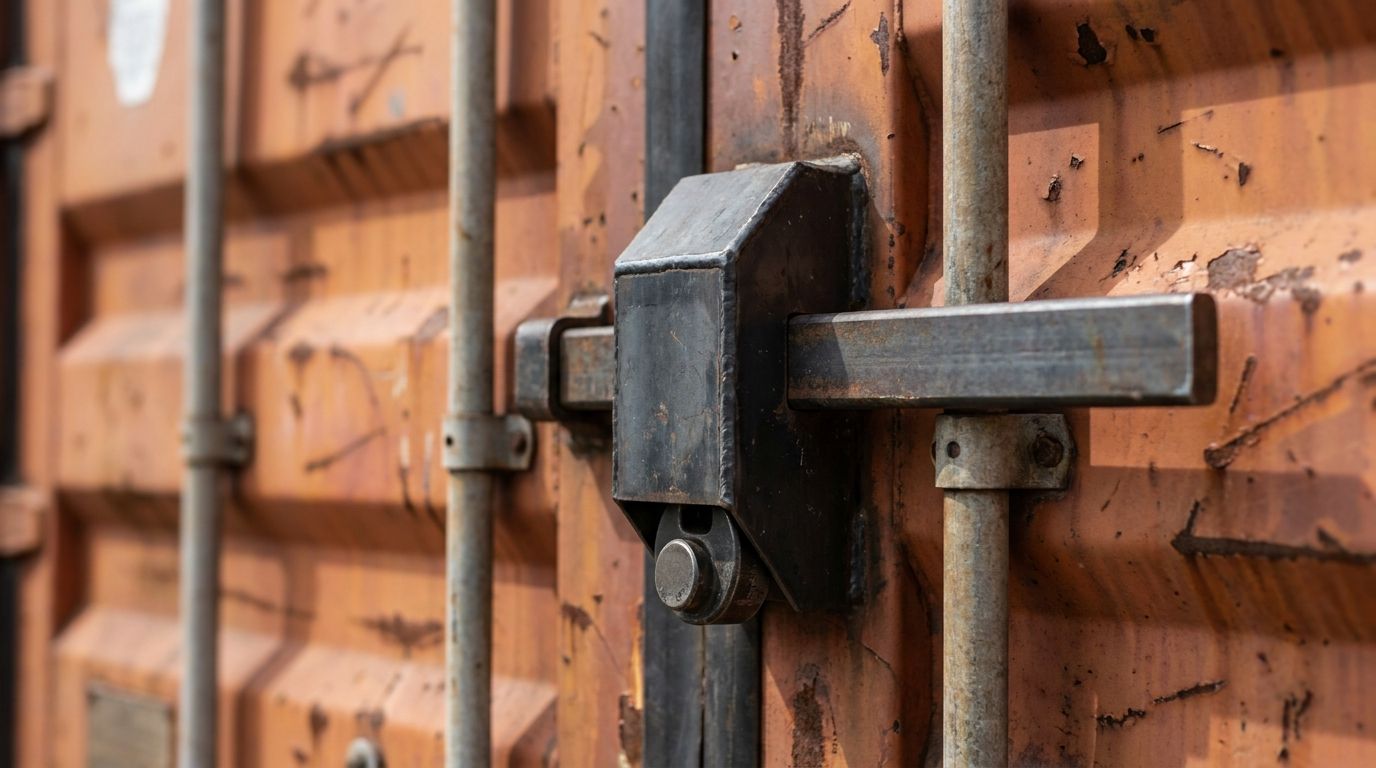
If what arrives does not match the grade you paid for, speak up before the driver leaves and before you settle any balance. For a residential lot, storage containers for the home covers where to put it, and how to secure a container against theft goes through the lock hardware.
If money has already left your account
How fast you act largely decides the outcome, so get through this list the same day it happens. None of this is legal advice, just a general starting point.
- Call your bank and request a wire recall or an ACH return, which only has a chance of working while the money is still sitting in the receiving account.
- If a card was used, file a dispute for goods not received, or for goods that arrived not as described.
- File a report with the FBI's Internet Crime Complaint Center, known as IC3.
- The Federal Trade Commission takes reports too, at ReportFraud.ftc.gov.
- File with the attorney general's office in your own state and in whichever state the seller claims to be based.
- Flag the listing and the seller's account directly with the platform hosting them.
- Hold onto the messages, the listing itself, the invoice, screenshots, and any bank reference numbers.
The odds of recovering anything drop fast as time passes, and no one can guarantee a result. File the reports regardless, since agencies build cases out of patterns across many complaints.
Get a free quote
Measure us against the checklist above. Our free, itemized quote spells out the legal business name, the grade, the size, whether the price is delivered or a depot collection, and the deposit and balance schedule, with no hidden fees added on, so the number we quote is the number you pay. Every unit gets inspected and graded before delivery, and we check site access before the truck ever gets booked. Send us the size, the grade, and the address, and we will reply within 1 business day.