Renting or Owning a Shipping Container: Working Out the Breakeven
Rent vs buy a shipping container: a breakeven formula you can run yourself, covering delivery, site prep, and the resale value most comparisons skip.
 EditorsEditors7 min read

On this page
- Renting vs buying a shipping container: the breakeven math explained
- The short version
- What each model is actually charging you for
- Running the breakeven with your own quotes
- Why resale value changes the answer
- What renting gets you that owning doesn't
- What owning gets you that renting doesn't
- Land, zoning, and access come before any of the arithmetic
- Rental contract terms to read twice
- When a hybrid approach makes sense
- Getting numbers you can actually compare
- Get an itemized quote you can compare
Renting vs buying a shipping container: the breakeven math explained
Rental quotes win most first conversations for one simple reason — a monthly rate looks small standing next to a purchase price. That advantage has an expiration point, though, and the line items marking exactly where are the ones most comparisons never mention.
Draw one boundary before anything else. What's being weighed here is renting a container delivered to your site against buying that same container — not a self-storage unit rented at a facility across town, a separate comparison covered in a storage unit vs a shipping container. Ownership of the steel, who's carrying the risk, and what you're permitted to do with it are what actually shift between the two. Selling is our business, not renting, so keep that lens on everything below.
The short version
Rent when the term is short, the end date is known, and the container leaves the moment the work does. Buy when the term is open-ended, you control the land, and the grade, features, or right to modify actually matter to you.
Everything else is arithmetic built around a single number: the month where accumulated rent catches up to the net cost of owning. Most people compare a rate against a purchase price and stop there. That month moves on two things: what the rental bundles in, and what the container is worth when you sell it.
What each model is actually charging you for
Steel is rarely all a rental rate covers. Depending on the company and the term, it can also carry:
- delivery in and pickup once the term ends, sometimes folded into the rate and sometimes billed on top
- coverage for structural repair and normal wear, a swap if the unit fails partway through the term, an optional damage waiver, and frequently a mandatory insurance certificate
Costs the rental keeps hidden come with owning, and skipping them is exactly how a casual comparison makes buying look better than it is:
- the container itself, plus getting it delivered to your site
- getting the ground ready, whether that means a level gravel pad or a set of piers, so the weight rests properly on the corner castings (the reinforced blocks built to carry it)
- the ongoing work of keeping things sound (think surface rust, sticky hinges, worn seals), and finally moving it along, either paying for a haul-away or pocketing something through a resale
Size, grade, and distance all move price levels, and our guide to what a shipping container costs covers that side in detail. What matters in this comparison is that both columns are complete.
Running the breakeven with your own quotes
Write out both sides across the same number of months, and call that number N.
The cost to rent for N months equals (monthly rate x N) plus delivery in, pickup out, admin and fuel fees, and any months inside the minimum term that you don't actually need.
The cost to own for N months equals purchase price plus delivery in, site prep, and upkeep across N months, minus whatever the unit sells for at month N. Add haul-away instead if there's no local buyer.
The N where both totals match is your breakeven. Run the numbers twice: once with resale set at zero, and once with a figure a local dealer actually gave you. The gap between those two runs usually settles it.
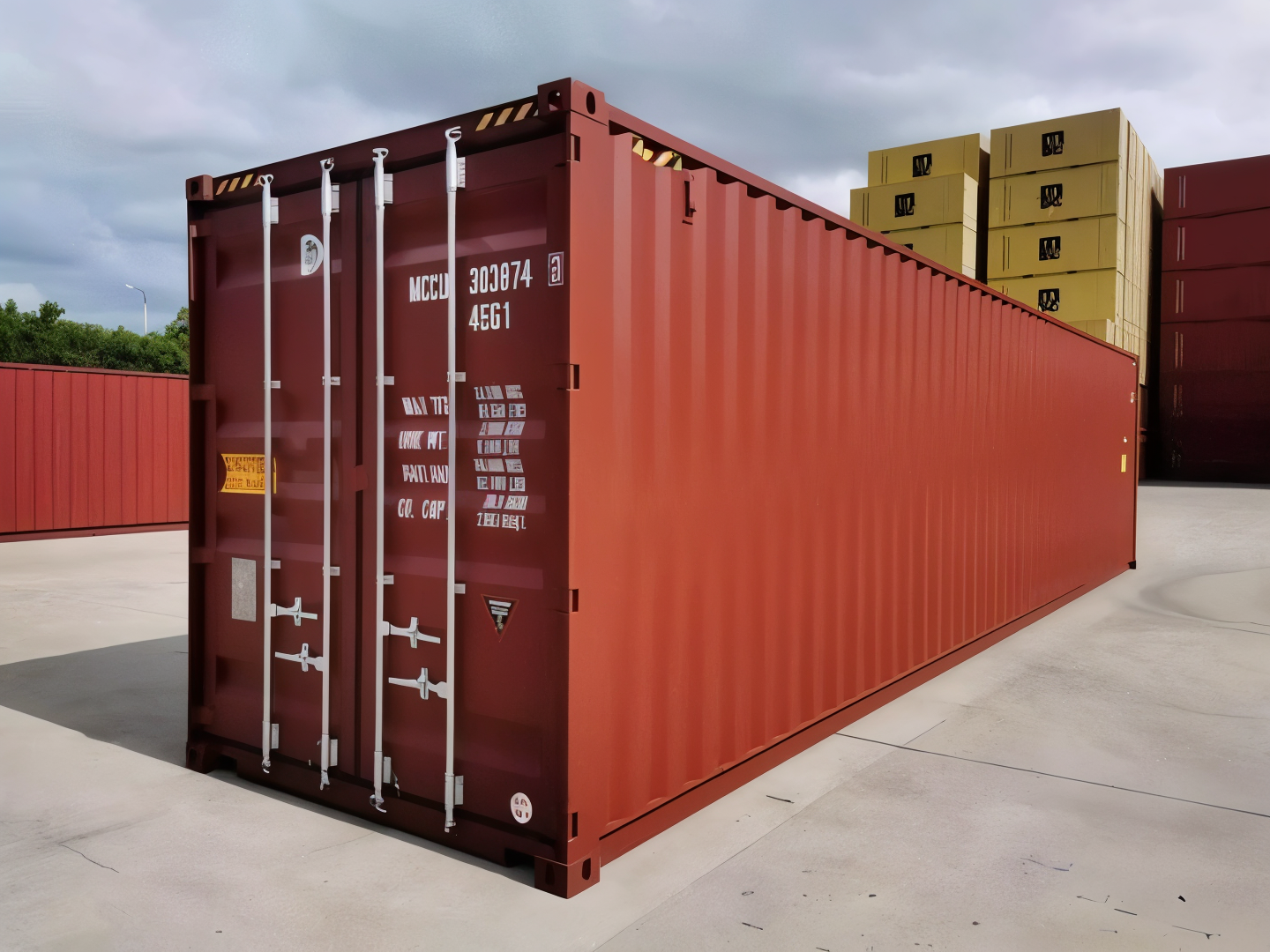
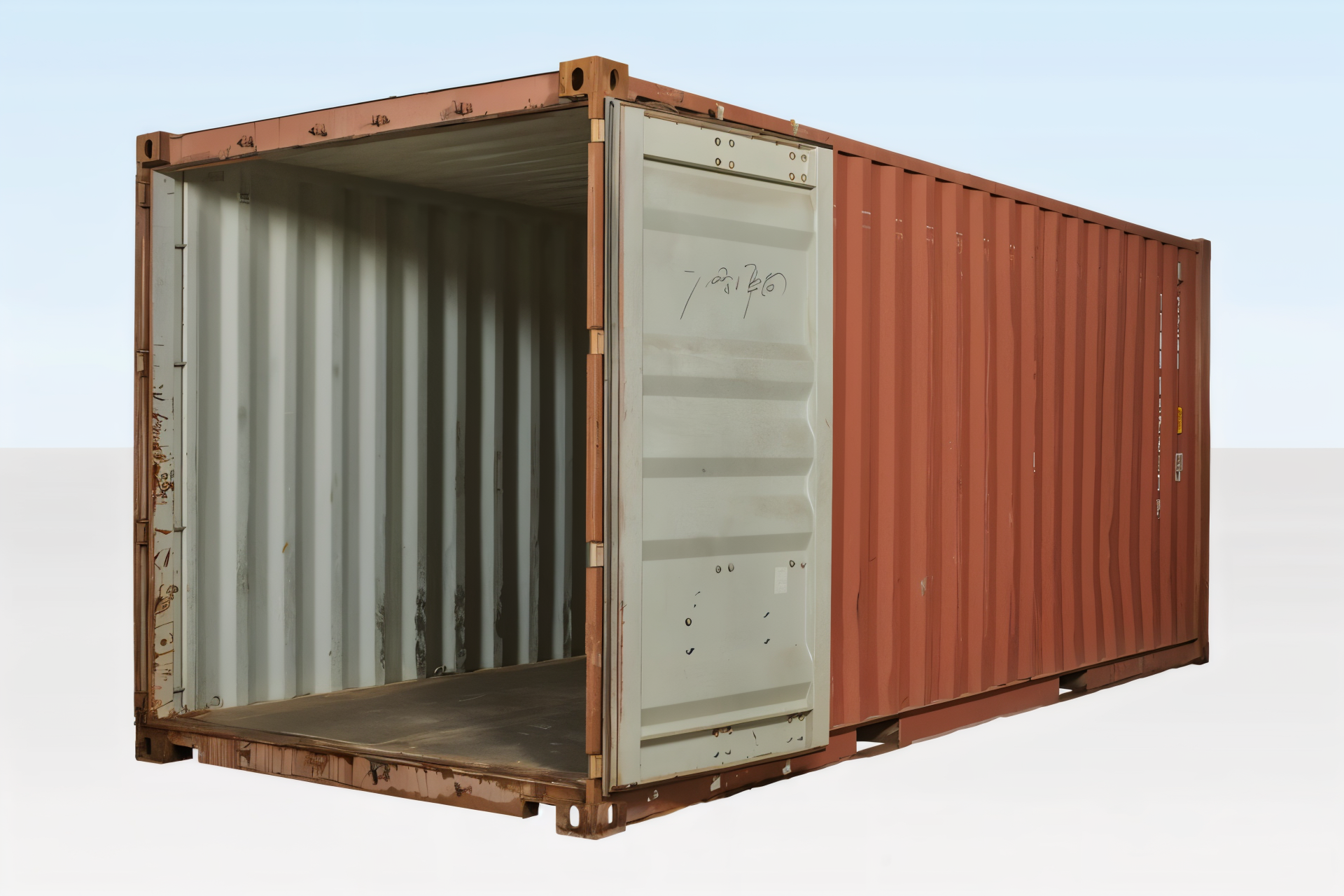
Anchor the calculation on a real unit, since grade changes every term. A used 20ft cargo-worthy container (CW: sound enough for ocean shipping) is the usual reference for yard storage, and a used 40ft cargo-worthy container covers a full site's worth of material.
Why resale value changes the answer
Rent, once paid, is simply gone. A container, by contrast, is an asset you hold, and that distinction is missing from nearly every rent-versus-buy table out there. The real cost of owning is purchase plus delivery plus site prep, minus whatever somebody pays you for it later.
A resale percentage isn't something we'll hand you, since it turns on your local market, the grade, and how well the unit was kept. Ask 2 dealers what they'd pay today for a used unit of that size and condition, then go with the lower figure.
Don't treat resale as free money. A buyer may deduct for collection, a container that's been cut for windows is worth less than one left intact, and a box that sat on soft ground will grade lower.
What renting gets you that owning doesn't
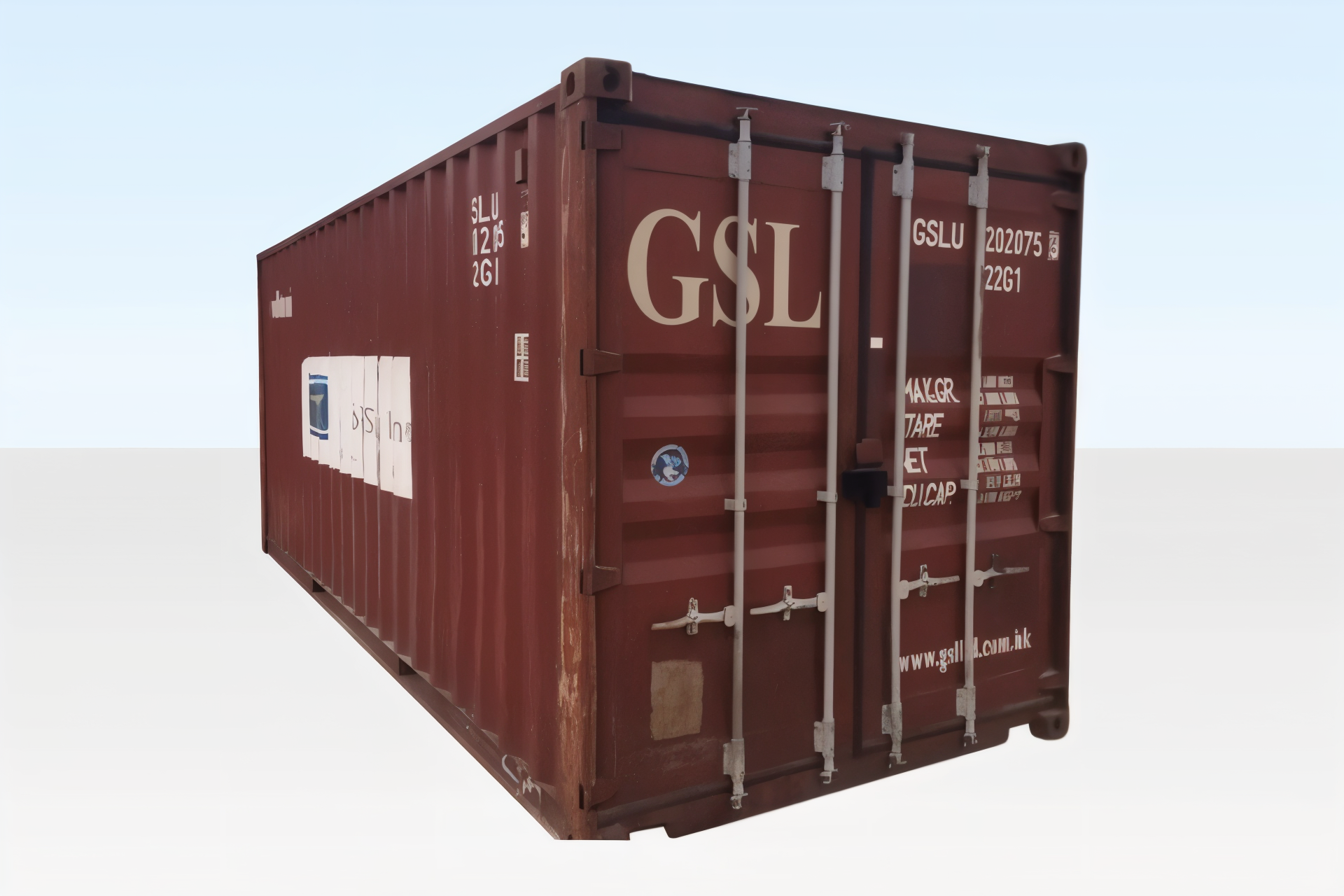
Work and risk both shift off your side when you rent:
- The exit belongs to someone else, with the truck, pickup, and disposal already sitting in the agreement.
- Your capital stays free, since nothing is tied up in an asset you'd have to sell to get it back.
- Repairs generally fall to the fleet's side, though the clause varies by agreement, so get it confirmed in writing.
- A paused build can often stop the payments; an owned container keeps costing you regardless.
Jobsites lean on rentals for precisely this reason; our page on construction site containers covers those setups in more detail. The tradeoff is that you take whatever unit shows up on the truck that day, and rent keeps running even while a project stalls.
What owning gets you that renting doesn't
Control is what ownership buys you, and it comes in 3 forms.
- The grade. One-trip (shipped once with cargo, effectively new), cargo-worthy, or wind and watertight (WWT: weather-tight, not certified for ocean shipping) — the choice sits entirely with you. A rental fleet, by contrast, sends over whatever happens to be sitting in the yard that week, which is exactly why our guide on buying a used container carries more weight in this decision.
- The spec. You can specify doors on both ends, a high cube (a foot taller inside than a standard container), and a floor that suits the load. A purchase gets built to spec; a rental only gets requested.
- The right to modify. Cutting, welding, painting, or insulating a container you don't own isn't an option, so windows, insulation, or electrical work turn this into a purchase decision. Our custom modification service can handle all of those changes on a unit you own.
Our page on homeowner storage containers covers placement and prep if the box is going to live on your property. The tradeoff is that rust, roof seams, and eventual disposal become yours to handle.
Land, zoning, and access come before any of the arithmetic
Settle this before running any arithmetic, because it can void the entire buy column. Ownership fails no matter what the formula says if you can't legally keep a container on that parcel long term, though a short-term rental may still fall under a temporary use allowance. Zoning, setbacks, lot coverage, and HOA covenants all touch this question; our post on shipping container permits covers the local questions worth asking. Treat this as general guidance rather than legal advice, since the rules shift by city, county, and HOA.
Both paths share a second gate: access. Ground level is where a tilt-bed (roll-off) truck slides the container off, needing no crane or forklift, though a heavy or static placement can still call for one. A straight, obstacle-free run is what the truck needs to work with, and we check site access and clearance before delivery.
Rental contract terms to read twice
The clauses, not the headline rate, are where rental economics actually live. Get plain answers on:
- how long the minimum term runs, what the rate becomes afterward, and how much notice stops an auto-renewal
- damage and repair liability, including what counts as normal wear and the standard the unit must meet on return
- whether insurance coverage naming the owner has to be certified
- relocation, since many agreements charge a fee just to move the unit
- condition on arrival, and what you're entitled to refuse when the truck shows up
- pickup, including the notice the company needs and who pays if the site is blocked that day
When a hybrid approach makes sense
- Start with rent, buy later. Rent while the term is still unknown and firms up over time. Ask whether the company sells off retired fleet units, and at what grade.
- Rent-to-own arrangements. Check what portion of each payment credits toward the purchase, whether that credit survives a missed payment, and what condition the unit will be in when title transfers. A worn-out unit can end up costing more this way than simply buying a sound one outright.
- Own the baseline, rent for the surge. An owned unit stays year round for seasonal operations, with rentals added for peak months; our page on business storage containers walks through that setup.
Getting numbers you can actually compare
Comparability between two quotes only holds if the scope matches. Get the rental company to itemize what the rate includes, confirm whether delivery and pickup sit inside it, state the minimum term and the rate that follows, guarantee a grade and your right to refuse the unit on arrival, and name every surcharge individually.
Push the seller for an itemized delivered price, the grade with a breakdown of what the inspection actually covered (doors, gaskets, floor, roof seams), the site prep required, and whether buyback is on the table later.
Put both columns side by side across the same span of months. A single number set against an itemized quote isn't a real comparison.
Get an itemized quote you can compare
Send over the size, roughly how long you'll need it, and where the box would sit. We'll return an itemized price for the purchase side (unit, grade, delivery) built to sit line for line next to any rental quote you're holding. Inspection and grading happen on every unit before it ships, and what we quote is exactly what you pay. Expect a reply inside 1 business day.