Rent vs Buy a Shipping Container: The Breakeven Math
Rent vs buy a shipping container: how to run the breakeven yourself, including delivery, site prep, and the resale value most comparisons leave out.
 Editorial TeamEditorial Team6 min read
On this page
- 01Rent vs buy a shipping container: the breakeven math
- 02The short answer
- 03What you are actually paying for in each model
- 04The breakeven calculation, filled in with your own quotes
- 05Resale value changes the answer
- 06What renting buys you that owning does not
- 07What owning buys you that renting does not
- 08The gate before the math: land, zoning, and access
- 09Rental contract terms worth reading twice
- 10When a hybrid makes sense
- 11How to get numbers you can actually compare
- 12Get an itemized quote to compare against
Rent vs buy a shipping container: the breakeven math
A monthly rate looks small next to a purchase price, which is why the rental quote wins most first conversations. It stops winning at some point, and the line items that decide where are the ones most comparisons skip.
One boundary first. This is renting a container delivered to your site versus buying that same container, not renting a self-storage unit at a facility across town, which we cover in a shipping container vs a storage unit. What changes is who owns the steel, who carries the risk, and what you may do to it. We sell rather than rent, so weigh what follows accordingly.
The short answer
Rent when the term is short with a known end date and the container leaves when the work does. Buy when the term is open-ended, you control the land, and grade, features, or the right to modify matter.
The rest is arithmetic around one number: the month where accumulated rent equals the net cost of owning. Most people set a rate against a purchase price and stop. Two things move that month: what the rental bundles in, and what the container is worth when you sell it.
What you are actually paying for in each model
A rental rate is rarely just steel. Depending on company and term, it can carry:
- delivery in and pickup at the end of the term, sometimes inside the rate, sometimes on top
- structural repair and normal wear, replacement of a unit that fails mid-term, an optional damage waiver, and often a required insurance certificate
Owning carries costs the rental hides, and skipping them is how a casual comparison flatters buying:
- the container itself, plus delivery to your site
- site prep: a level gravel pad or piers so the box bears on its corner castings (the reinforced corner blocks that carry its weight)
- upkeep (rust, gaskets, hinges), then the exit: a haul-away you pay for, or a resale that returns money
Price levels move with size, grade, and distance, so our guide to how much a shipping container costs carries that side. What matters here is that both columns are complete.
The breakeven calculation, filled in with your own quotes
Write both sides over the same number of months. Call it N.
Cost to rent for N months = (monthly rate x N) + delivery in + pickup out + admin and fuel fees + any months inside the minimum term you do not need.
Cost to own for N months = purchase price + delivery in + site prep + upkeep across N months, minus what the unit sells for at month N. If you cannot sell locally, add haul-away instead.
Breakeven is the N where the totals match. Run it twice, once with resale at zero and once with a figure a local dealer gave you. The gap usually decides it.
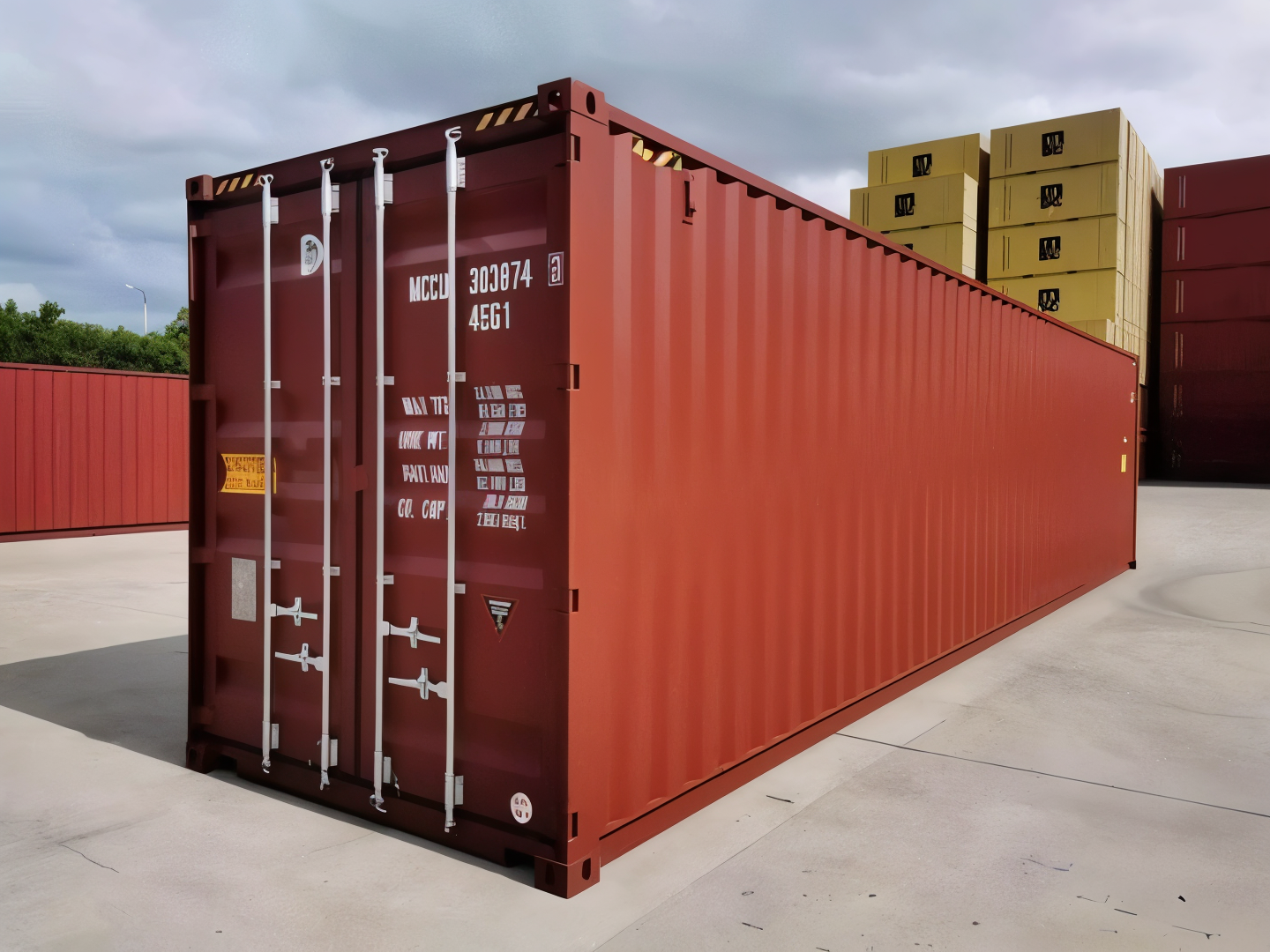
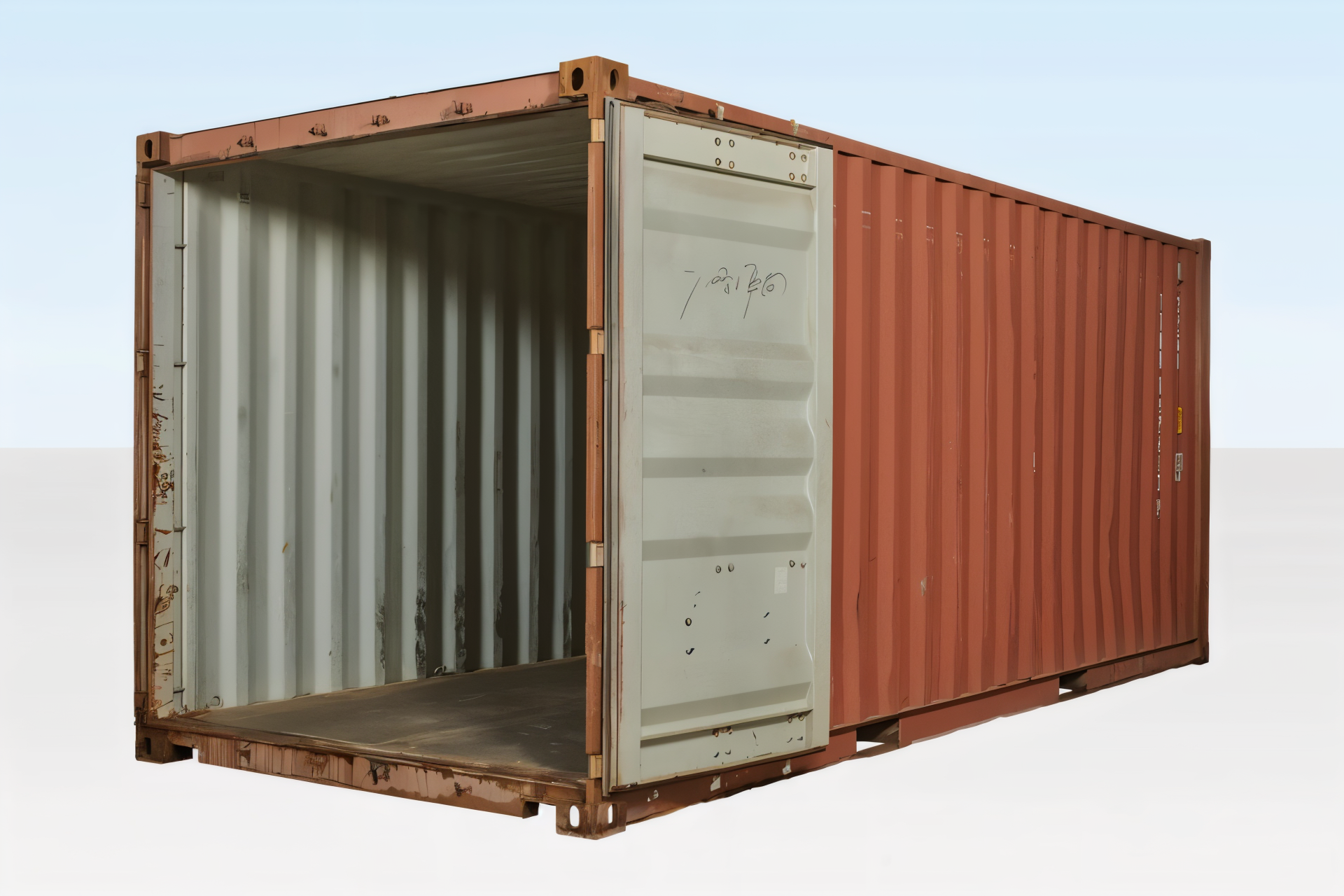
Anchor it on a real unit; grade changes every term. A 20ft used cargo-worthy container (CW: sound enough for ocean shipping) is the usual yard-storage reference, a 40ft used cargo-worthy container for a full site's worth of material.
Resale value changes the answer
Rent is spent. A container is an asset you hold, and that term is missing from nearly every rent-versus-buy table. Real cost of owning is purchase plus delivery plus site prep, minus what somebody pays you later.
We will not hand you a resale percentage: it turns on your local market, the grade, and how the unit was kept. Ask 2 dealers what they pay today for a used unit that size and condition, then use the lower answer.
Resale is not free money. A buyer may deduct collection, a container cut for windows is worth less than one intact, and a box left on soft ground grades lower.
What renting buys you that owning does not
Renting moves work and risk off your side:
- The exit is someone else's: truck, pickup, and disposal sit in the agreement.
- Capital stays free, with nothing tied up in an asset you must sell to recover.
- Repairs are usually the fleet's job, though the clause varies, so get it in writing.
- A paused build can often stop paying; an owned container never does.
That is why rentals dominate on jobsites; our page on containers for construction sites covers those setups. The tradeoff: you take the unit on the truck that day, and rent runs while a project stalls.
What owning buys you that renting does not
Ownership buys control, in 3 forms.
- Grade. You pick between one-trip (shipped once with cargo, effectively new), cargo-worthy, and wind and watertight (WWT: weather-tight, not certified for ocean shipping). A rental fleet sends what is in the yard that week, so our guide on buying a used shipping container matters more here.
- Spec. Doors on both ends, a high cube (a foot taller inside than a standard container), a floor that suits the load. Purchases are specified; rentals are only requested.
- Modification rights. You cannot cut, weld, paint, or insulate a container you do not own, so windows, insulation, or electrical make it a purchase decision. Units can be modified with all of those through our custom modification service.
If the box will live on your property, our page on storage containers for homeowners covers placement and prep. The tradeoff: rust, roof seams, and eventual disposal are yours.
The gate before the math: land, zoning, and access
Answer this before the arithmetic; it can void the buy column. If you cannot legally keep a container on that parcel long term, ownership fails whatever the formula says, though a short-term rental may fall under a temporary use allowance. Zoning, setbacks, lot coverage, and HOA covenants all touch this; our post on permits for a shipping container covers what to ask locally. General guidance, not legal advice; rules vary by city, county, and HOA.
Access is the other gate, on both paths. A tilt-bed (roll-off) truck slides the container off at ground level, no crane or forklift needed, though a heavy or static placement may need one. It needs a straight, obstacle-free run, and we check site access and clearance before delivery.
Rental contract terms worth reading twice
Rental economics live in the clauses, not the rate. Get plain answers on:
- the minimum term, the rate once it ends, and the notice needed to stop an auto-renewal
- damage and repair liability: what counts as normal wear, and the return condition standard
- insurance: whether a certificate naming the owner is required
- relocation: many agreements charge a fee to move the unit at all
- condition on arrival: what you can refuse when the truck shows up
- pickup: the notice they need, and who pays if the site is blocked on the day
When a hybrid makes sense
- Rent now, buy later. When the term is unknown, rent while it firms up. Ask whether the company sells retired fleet units, and at what grade.
- Rent-to-own. Read what portion of each payment credits toward purchase, whether the credit survives a missed payment, and the condition of the unit when title transfers. A tired unit can cost more this way than buying a sound one.
- Own the baseline, rent the surge. Seasonal operations often keep an owned unit year round and rent for peak months; our page on shipping containers for business storage covers that setup.
How to get numbers you can actually compare
Two quotes only compare if they cover the same scope. Ask the rental company what the rate includes, itemized; whether delivery and pickup sit inside it; the minimum term and rate afterward; what grade is guaranteed and whether you can refuse the unit on arrival; and every surcharge by name.
Ask the seller for the delivered price, itemized; the grade, and what the inspection covered (doors, gaskets, floor, roof seams); what site prep is needed; and whether they buy units back later.
Set both columns side by side over the same months. A single number against an itemized quote is not a comparison.
Get an itemized quote to compare against
Tell us the size, how long you expect to need it, and where the box would sit, and we will price the purchase side: unit, grade, and delivery, itemized, so it sits next to a rental quote line for line. Every unit is inspected and graded before delivery, and what we quote is what you pay. We reply within 1 business day.