Shipping Container vs Storage Unit: Which Should You Choose?
Shipping container vs storage unit: one is rent forever, the other is a box you own on your land. Here is an honest look at cost, access, space, and security.
 Editorial TeamEditorial Team6 min read
On this page
- 01Shipping container vs storage unit: which should you choose?
- 02Quick answer
- 03Renting forever vs buying once
- 04The space you actually get
- 05Access: your yard versus facility hours
- 06Security: your lock versus their gate
- 07Climate control: where self-storage wins
- 08Land, HOA, and zoning: the question that settles it
- 09When the answer is both
- 10How to choose
- 11Frequently asked questions
- 12Get a free quote
Shipping container vs storage unit: which should you choose?
Sooner or later the garage fills up, and the choice narrows to renting a self-storage unit across town or buying a shipping container for your own property. Both solve the same problem, but the pitch depends on who is selling: facilities talk up climate control and cameras, container dealers talk up ownership and anytime access.
We sell containers, so you know where we stand. Still, each option wins in specific situations, and choosing wrong costs you either rent that never ends or a steel box your HOA makes you remove. Here is how they compare on cost, space, access, security, climate, and the property rules that often settle it first.
Quick answer
Rent a self-storage unit for short-term needs, climate-sensitive items, or if you have nowhere to put a container. Buy a shipping container for long-term storage on your own property: you pay once instead of every month, the box keeps resale value, and your things sit steps from your door. Time horizon and land are usually the deciding factors.
Renting forever vs buying once
A storage unit is a subscription. Rent comes due every month for as long as your things sit there, rates can rise at renewal, and nothing comes back when you clear out. A container flips the math: a larger one-time purchase plus delivery, then essentially no ongoing cost. Steel holds value, too, so a sound container can be resold years later, and part of what you paid comes back.
Condition drives the purchase side. A one-trip container (shipped with cargo once, effectively new) costs the most upfront and holds its value longest; a 20ft one-trip container is the closest thing to a buy-once storage room. A used box costs less and stores just as well if the doors seal and the roof is sound.
To be fair to the unit: for a few months of storage it usually wins, because a container's purchase price buys a lot of short-term rent. The longer things stay stored, the harder it is to justify paying monthly for a room you will never own.
The space you actually get
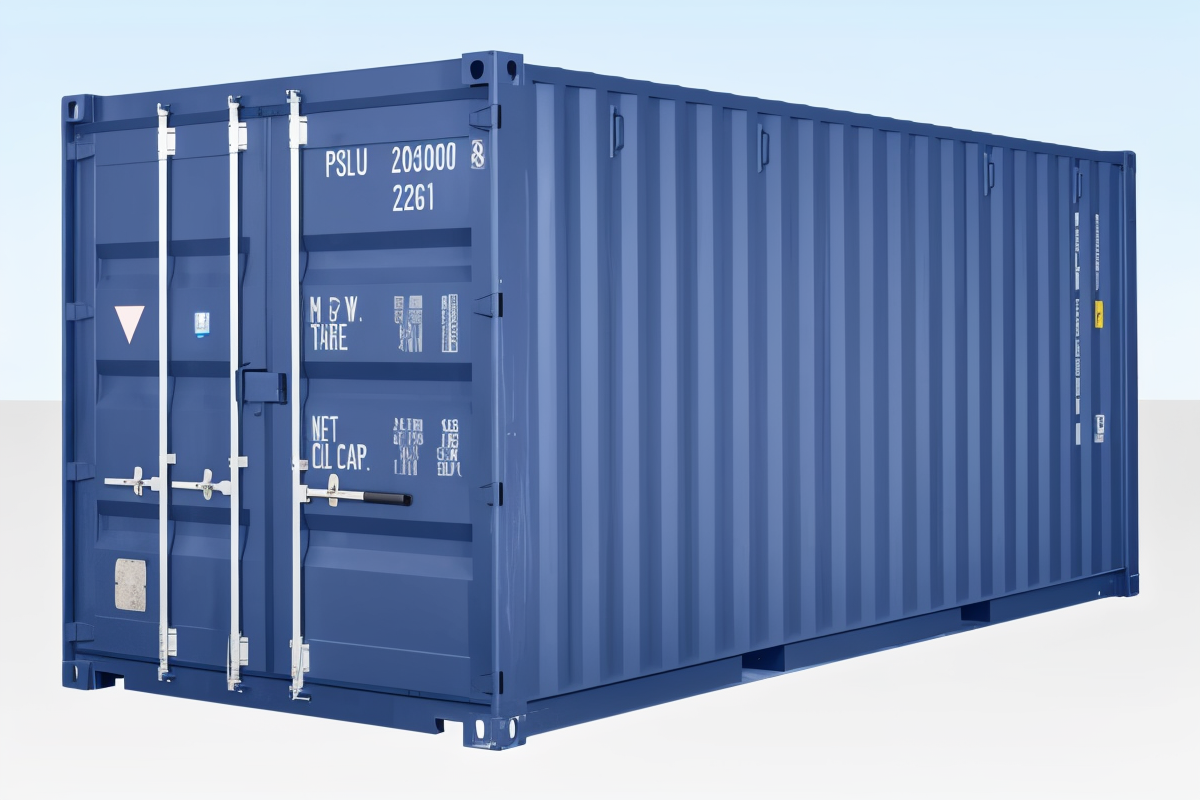
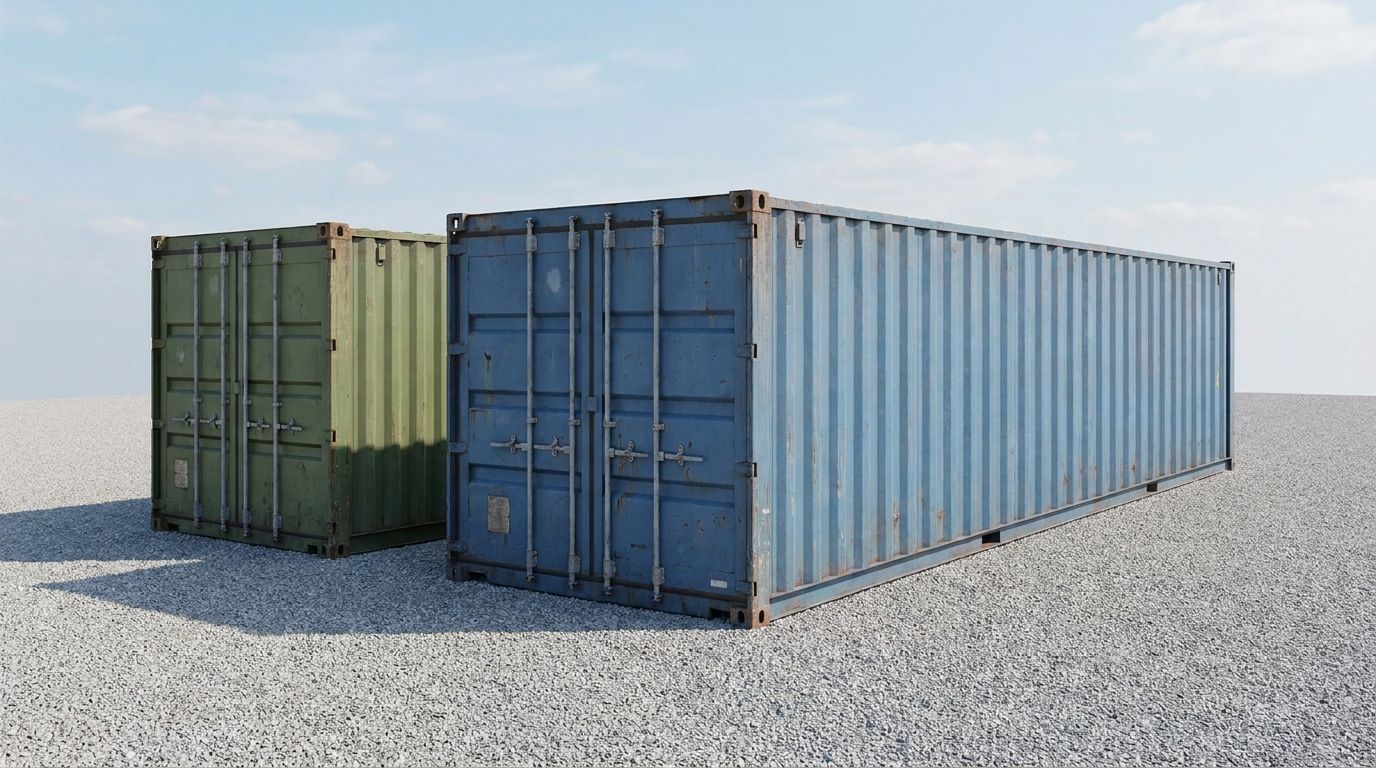
Self-storage units most commonly come in 10x10 and 10x20 sizes, which is 100 and 200 square feet. A 20ft container gives you about 160 square feet of floor in a box 8ft 6in tall, landing between the common unit sizes, and its cargo doors open across nearly the full width, so furniture and loaded dollies go straight in. The tradeoff: the box takes that footprint on your land whether it is full or empty.
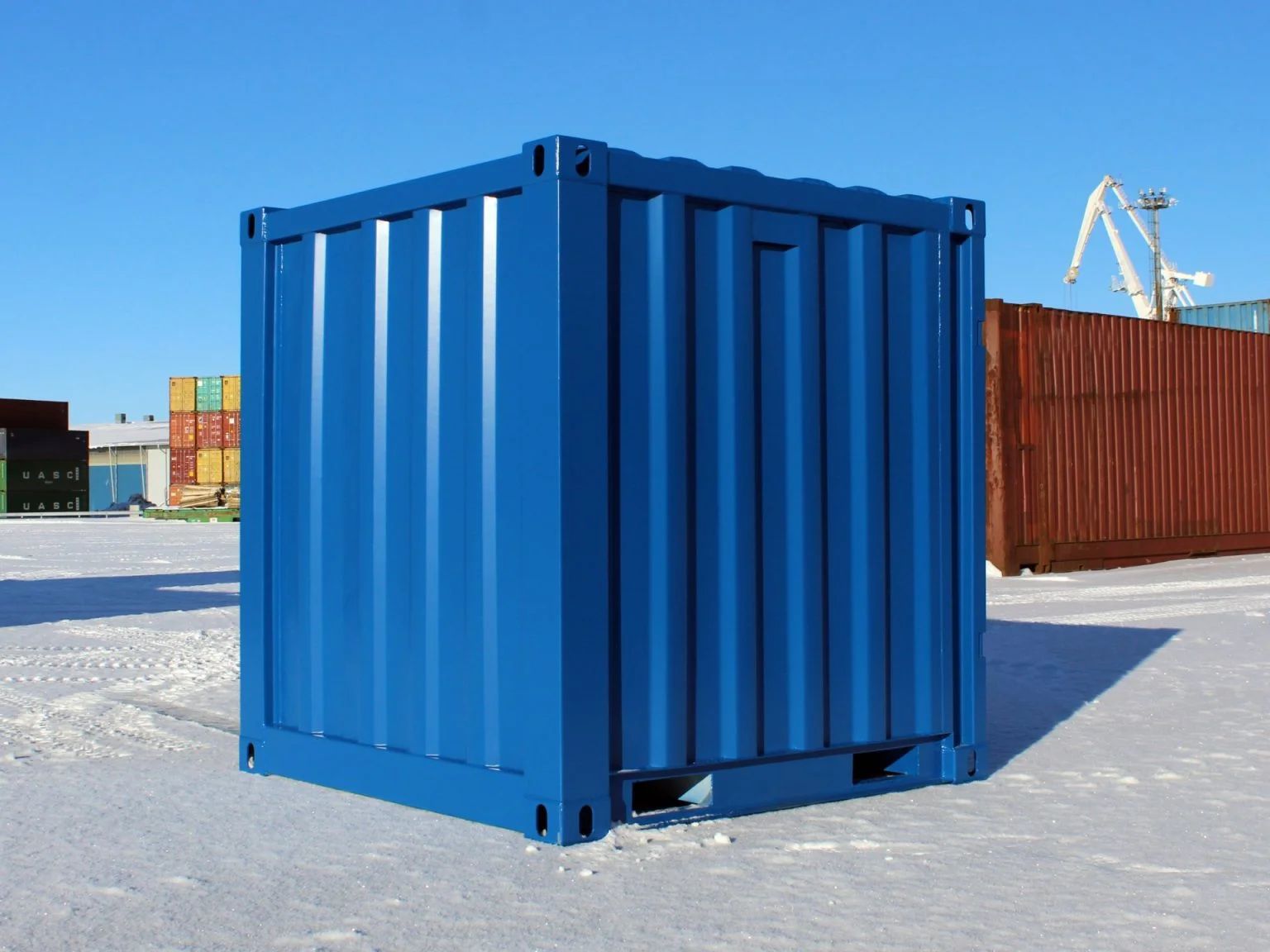
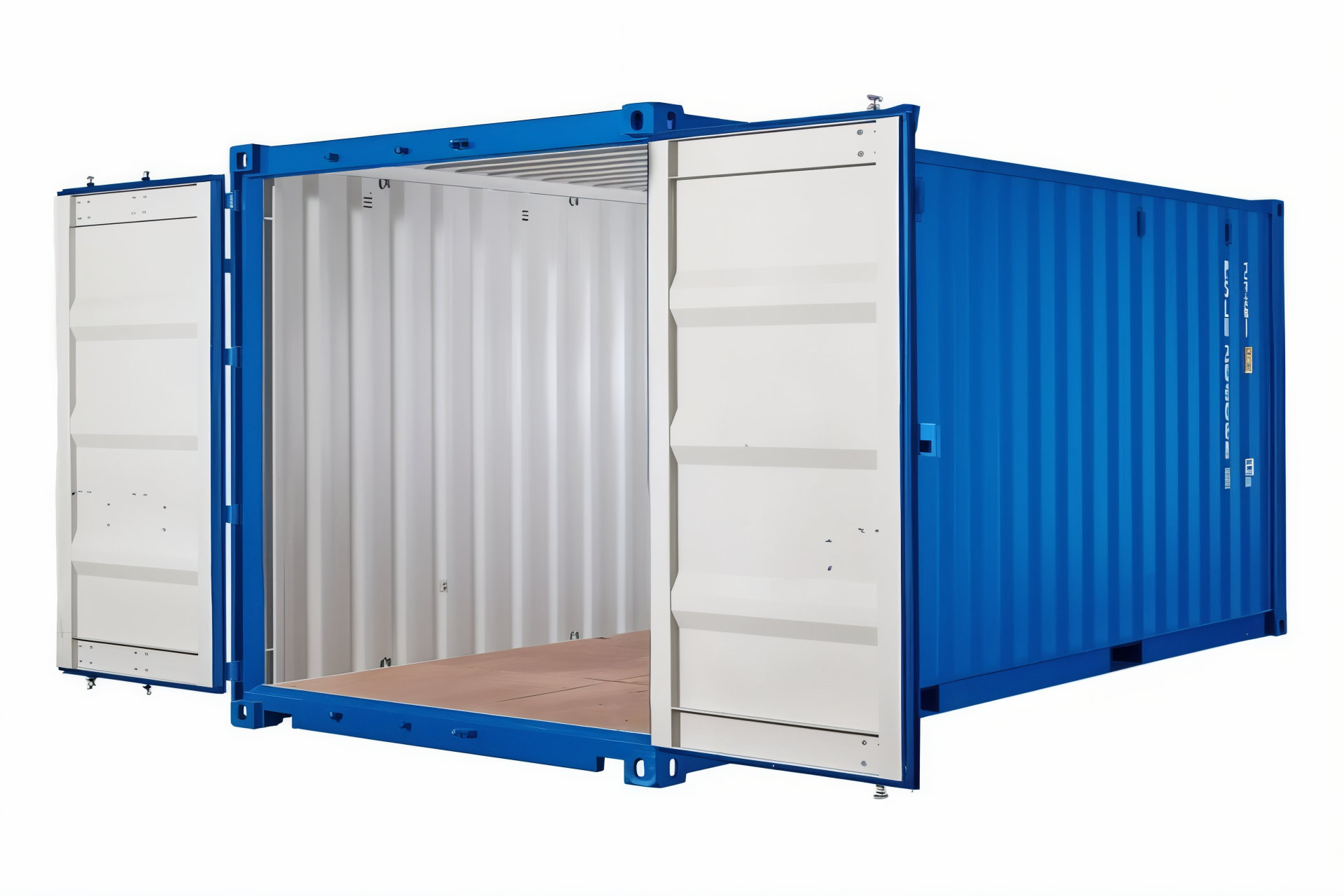
A container built for this job, like this 20ft self-storage container with a bamboo floor, adds a clean, sealed floor for household goods. For smaller loads (a spare room's contents, tools, seasonal gear), a 10ft used container sold WWT (wind and watertight: the doors seal and the box keeps weather out, though it is not certified for ocean shipping) covers it in half the footprint.
Access: your yard versus facility hours
Using a unit means loading a vehicle, driving over, clearing a gate, and unloading down a corridor, all inside the facility's access hours. That is fine for boxes you touch twice a year and tiresome for anything you need on a random Tuesday evening. A container sits where you put it, so retrieving something is a walk, not a round trip.
Delivery is simpler than most people expect. A tilt-bed (roll-off) truck slides the container off at ground level, no crane or forklift needed, and we check site access and clearance before delivery; the truck just needs a straight, obstacle-free run to position and unload.
The unit pushes back when you move. Relocate, and a storage unit is a key you hand back, while a container has to follow you on a truck.
Security: your lock versus their gate
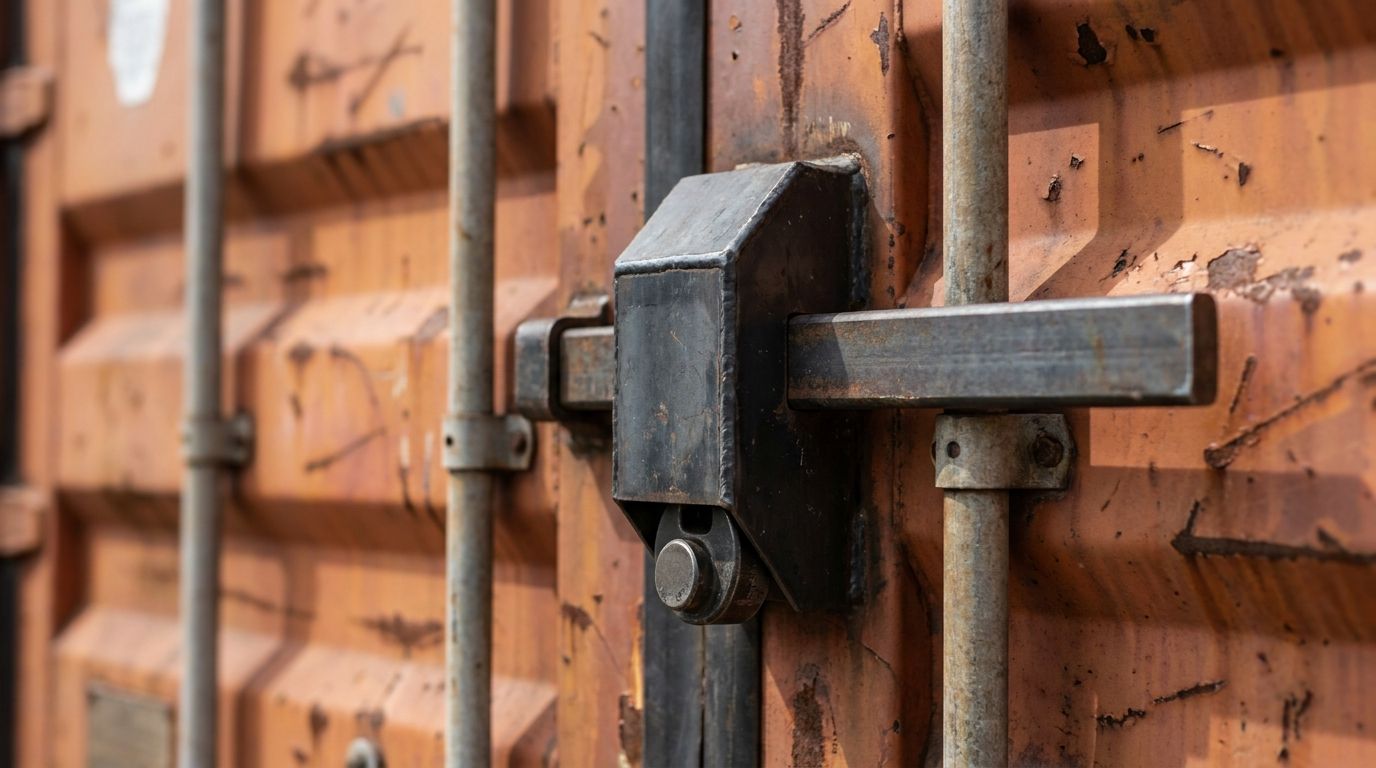
A gated facility gives you fencing, cameras, lighting, staff, and activity around the site. What it cannot give you is control: shared corridors, a standard latch, and whoever else has a gate code. A container on your land is heavy steel on every side, but its security is entirely your job, because the lock you fit is the protection it has.
Container door hardware upgrades well past a bare padlock; our guide on how to secure a shipping container covers lockboxes, puck locks, and siting the doors against a wall. In fairness: if your property is remote, unlit, or rarely watched, a staffed facility can be the safer home for high-value items.
Climate control: where self-storage wins
A standard container is weathertight, not climate-controlled. Sealed steel tracks the outside temperature, and humid air trapped inside can condense on the ceiling (the industry calls it container rain). For antiques, artwork, electronics, documents, and photos, a climate-controlled unit is the right call.
Containers can be modified with vents, insulation, and even a small HVAC unit, which closes the gap for workshop or inventory use, but that is added cost and work. For genuinely sensitive goods, the facility wins as delivered.
Land, HOA, and zoning: the question that settles it
None of the comparison matters if you cannot place the box. A 20ft container needs level ground about the size of a parking space, plus room for the truck's approach, so no yard means no container. HOAs often restrict or prohibit containers, and some cities require a permit past a set placement period. Rules vary by city and HOA, so check before you spend anything, and treat this as general guidance, not legal advice.
If your property fails those tests, self-storage wins by default. If it passes, a container is hard to beat over time; our page on storage containers for homeowners walks through placement, ground prep, and siting.
When the answer is both
Some situations call for each at once. During a renovation, a rented unit absorbs furniture for a defined stretch, and the cost ends with the project. A business with steady overflow often does the reverse: a container at the shop keeps inventory and equipment at walking distance, while a small climate-controlled unit holds sensitive records. Our page on shipping containers for business and inventory storage covers the on-site inventory setup.
How to choose
Run the decision in order. First, land: no room for a container, or an HOA that bars one, means you rent and move on. Second, contents: climate-sensitive goods point to a unit unless you plan to modify a container. Third, time: months favor renting, years favor buying. Fourth, access: if you are in and out weekly, the box in your yard beats the drive every time.
Frequently asked questions
Is a shipping container cheaper than a storage unit?
For a few months, no; short-term rent costs less than buying a box. Over years, the container usually comes out ahead, because rent recurs indefinitely while a container is a one-time purchase with resale value left in it. Where the lines cross depends on local rents and the grade you buy.
How big is a 20ft container compared to a storage unit?
A 20ft container offers about 160 square feet of floor in a box 8ft 6in tall, between a 10x10 unit (100 square feet) and a 10x20 (200 square feet). Its cargo doors open across nearly the full width, and it sits on your property, so nothing stands between you and your things.
Can I put a shipping container on my property?
Yes, if you have level ground about the size of a parking space, an approach the delivery truck can use, and no HOA or local rule against it. A tilt-bed truck sets the box down at ground level, and we check site access and clearance before delivery. Rules vary, so confirm before you order.
Get a free quote
Tell us what you are storing, for how long, and where the box would sit, and we will match a size and grade to it and check site access and clearance before delivery. You get a free, itemized quote with no hidden fees — what we quote is what you pay. Every unit is inspected and graded before delivery, and we reply within 1 business day.