

Energy & Resources
Steel containers and cabins for pads, laydown yards, and off-grid sites
Tool cribs, bunded fuel stores, solar offices, and anti-vandal welfare for crews working far from town.

Built for the job
Lockable parts storage on the pad
A steel crib for tools, spares, and PPE on the pad or laydown yard. The limit: a closed box bakes in full sun, so heat-sensitive stock needs vents or insulation added.
Bunded stores for fuel and chemicals
Flat-floor stores load drums at ground level; raised stores hold more sump volume but add a step. Either contains leaks — neither substitutes for your state's storage rules.
Office power without the grid
A solar container office runs lights, laptops, and chargers from roof panels and a battery bank. The battery is the cap: welders and electric heaters still need a generator.
Welfare built to sit unattended
Anti-vandal office, drying room, canteen, and toilet cabins keep a remote crew working. Water and waste tanks still need servicing on a schedule you plan for.
Steel that takes the weather
Container-grade weathering steel handles years of sun, dust, and freeze-thaw in the open. Paint fades and door seals age first, so budget a yearly seal and drainage check.
Access checked before dispatch
We check site access and clearance before delivery and quote unit plus transport with no hidden fees. Placements a tilt-bed cannot reach may need a crane.
An oil pad 2 hours past pavement, a solar build across open range, a mine laydown yard — remote sites share 3 problems: nowhere secure for tools and parts, no grid power, and nothing for the crew. Containers and steel cabins cover all 3 if you spec them for the exposure and plan the delivery honestly.
The problem on a remote site
Distance changes the math. A stolen welder is a day of downtime plus the drive, not a quick replacement. Drums sit where a spill reaches bare ground, and regulators notice. Crews work wet with nowhere to dry out. Plywood sheds and job boxes solve none of this — they are the first things weather and thieves get through.
Lockable storage on the pad
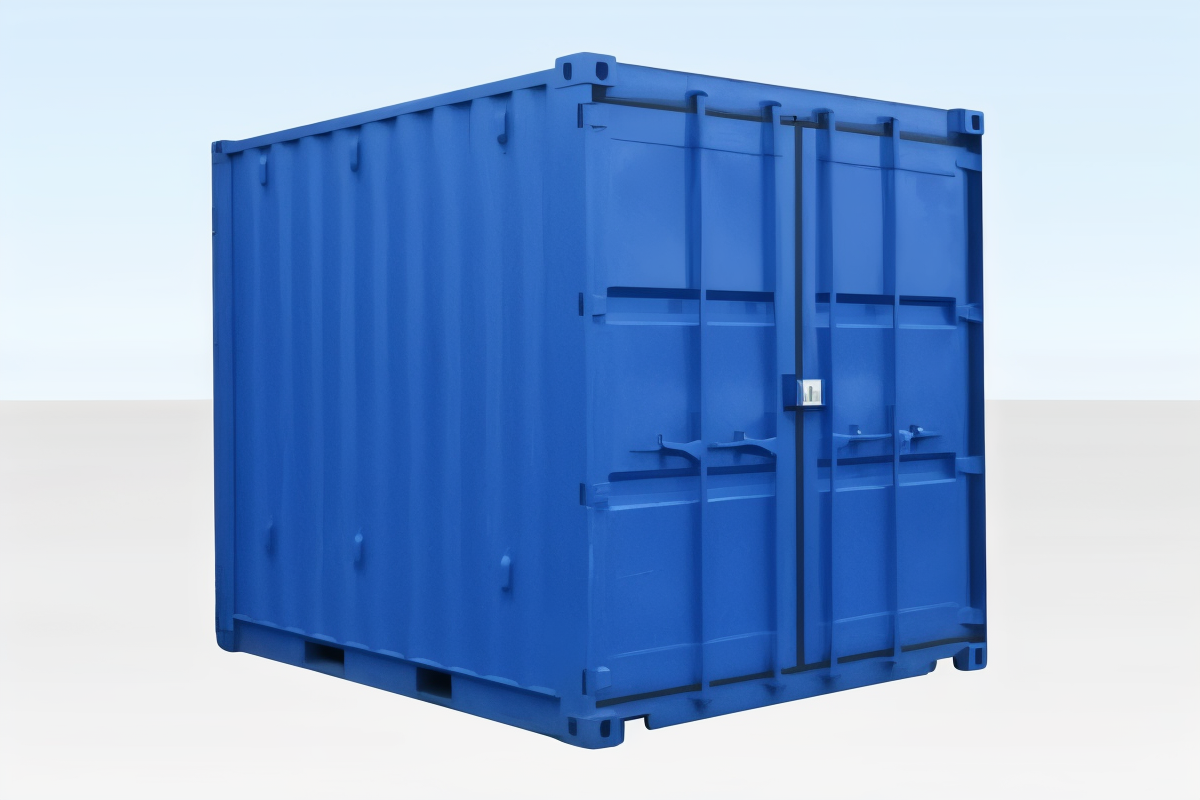
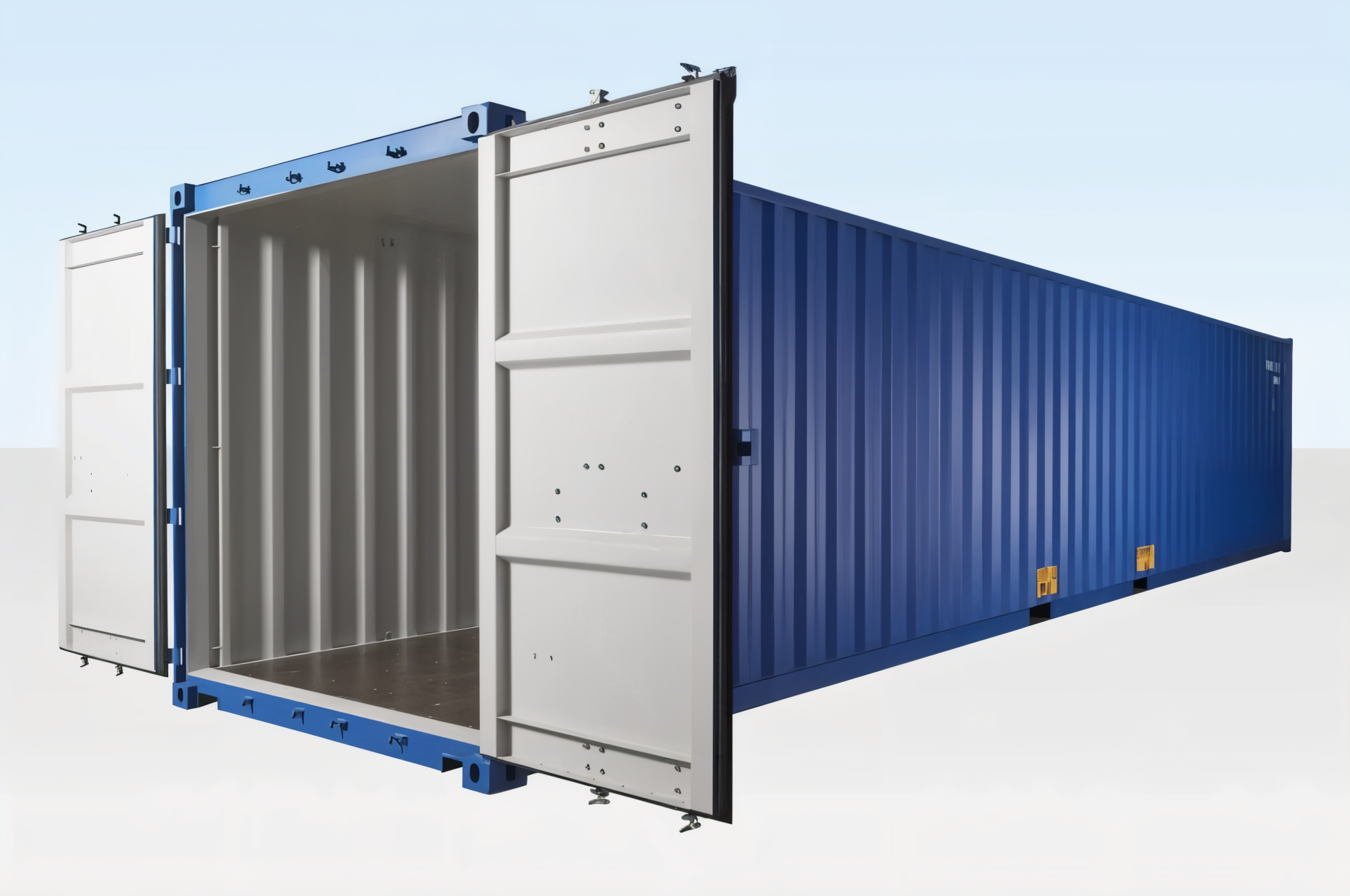
A steel container is the parts crib that works on a pad or laydown yard: lockable, weathertight, and too heavy to walk off with. A 40ft one-trip high cube — one-trip meaning shipped once with cargo and then sold, the closest thing to new; high cube meaning 1ft taller than a standard container — holds racking, spares, cable drums, and PPE with room for a workbench.
The caveat crews learn in August: a closed steel box in full sun bakes. For sealants, batteries, or other heat-sensitive stock, plan for airflow — vents and insulation are common additions through our custom modifications service.
Containment for fuel and chemicals
Fuel-adjacent and chemical storage needs a bund — a built-in sump that catches leaks before they reach the ground. A 10ft flat-floor bunded store keeps the floor at deck height over a grated sump, so drums and IBC totes wheel straight in at ground level. A 10ft raised bunded store lifts the body over a deeper sump: more containment volume and easier sump inspection, but heavy drums go in by ramp or forklift.
A bunded store gives you containment, not compliance. What you may store, in what quantity, and at what setbacks varies by state and agency, so confirm the rules that cover your site — this is general guidance, not legal advice.
Power and welfare off the grid
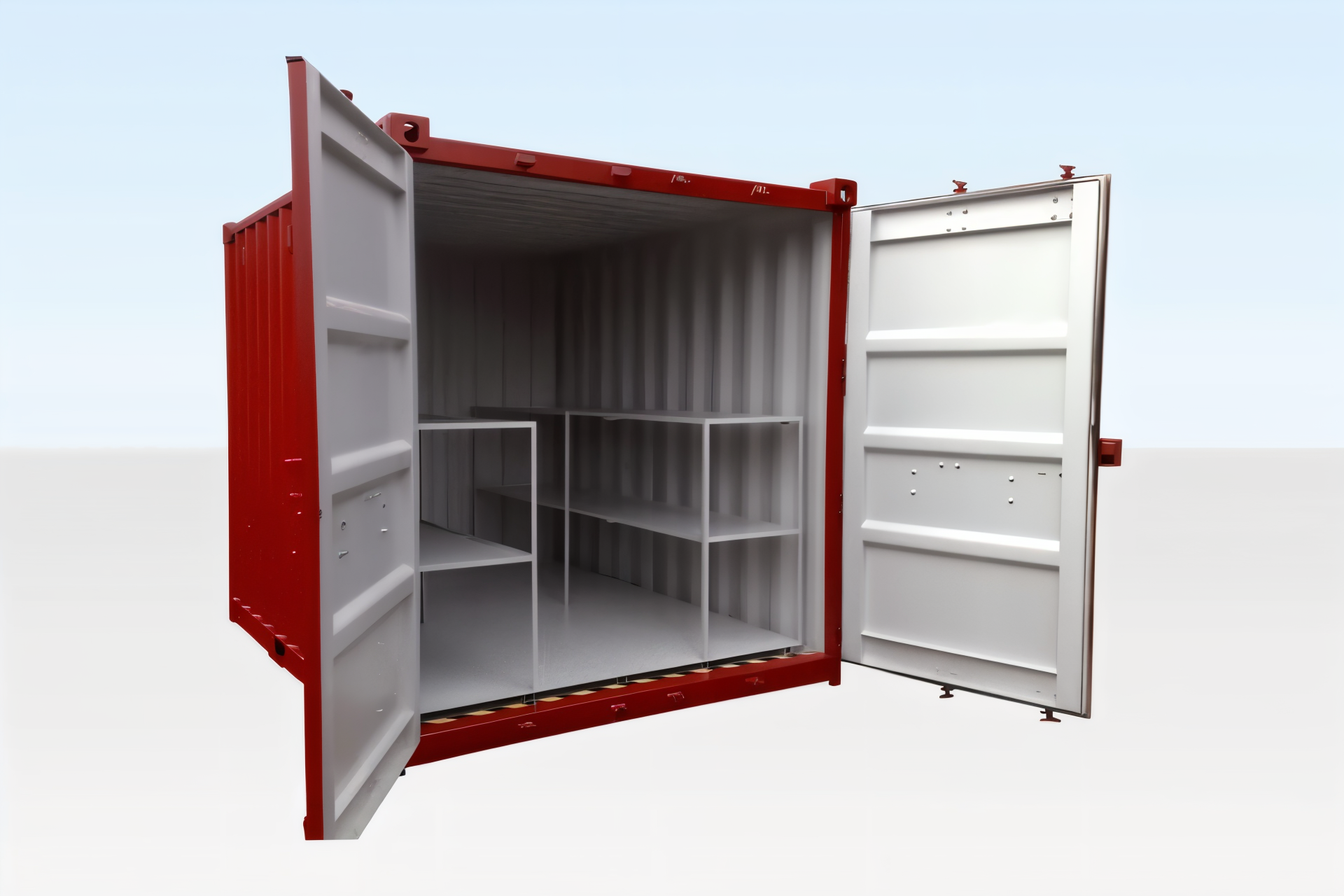
A 20ft solar container office puts a working office on a site with no power service: roof panels charge a battery bank that runs lights, laptops, and chargers, with a grid connection possible later. The battery is the limit — plan welders and big heaters around a generator.
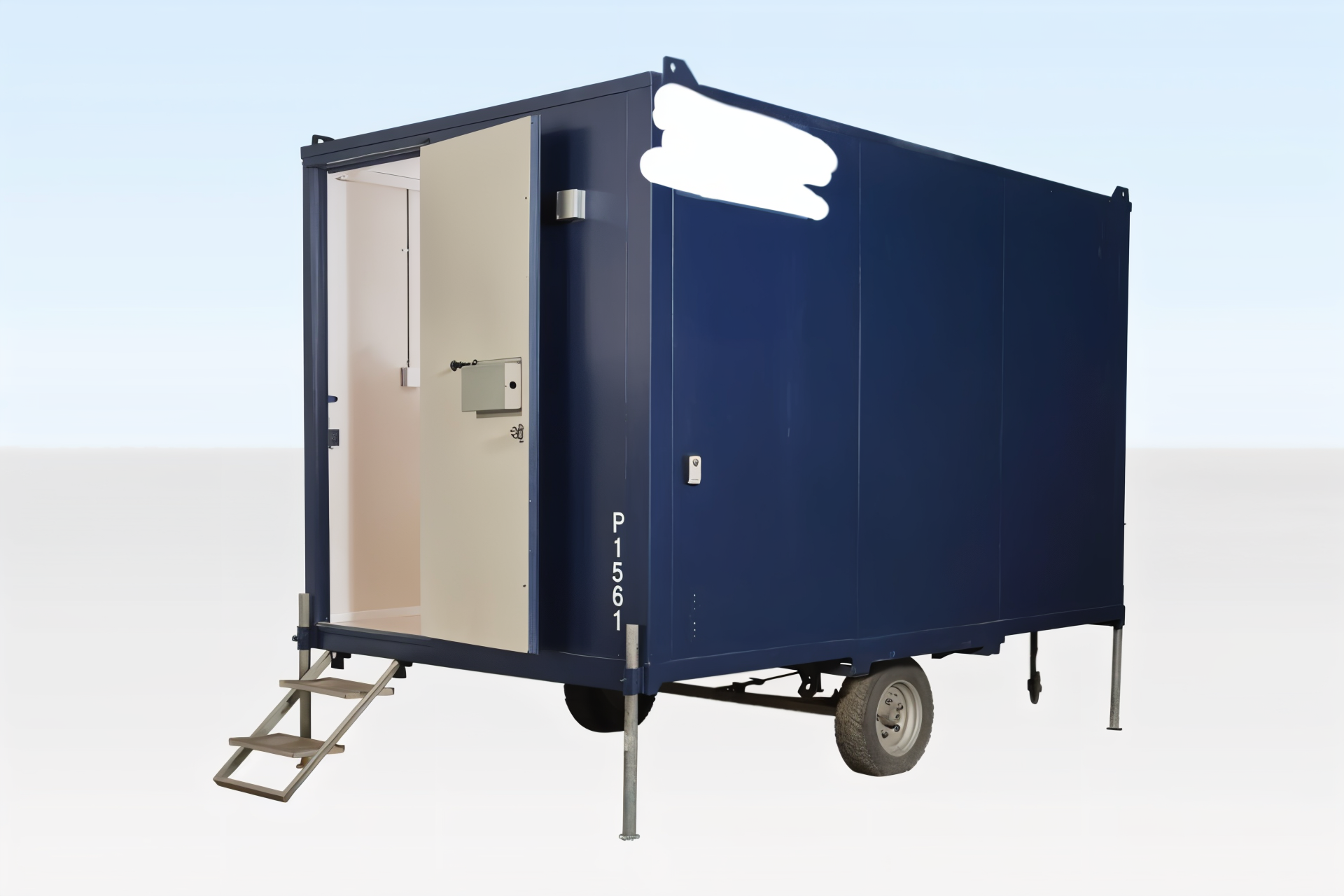
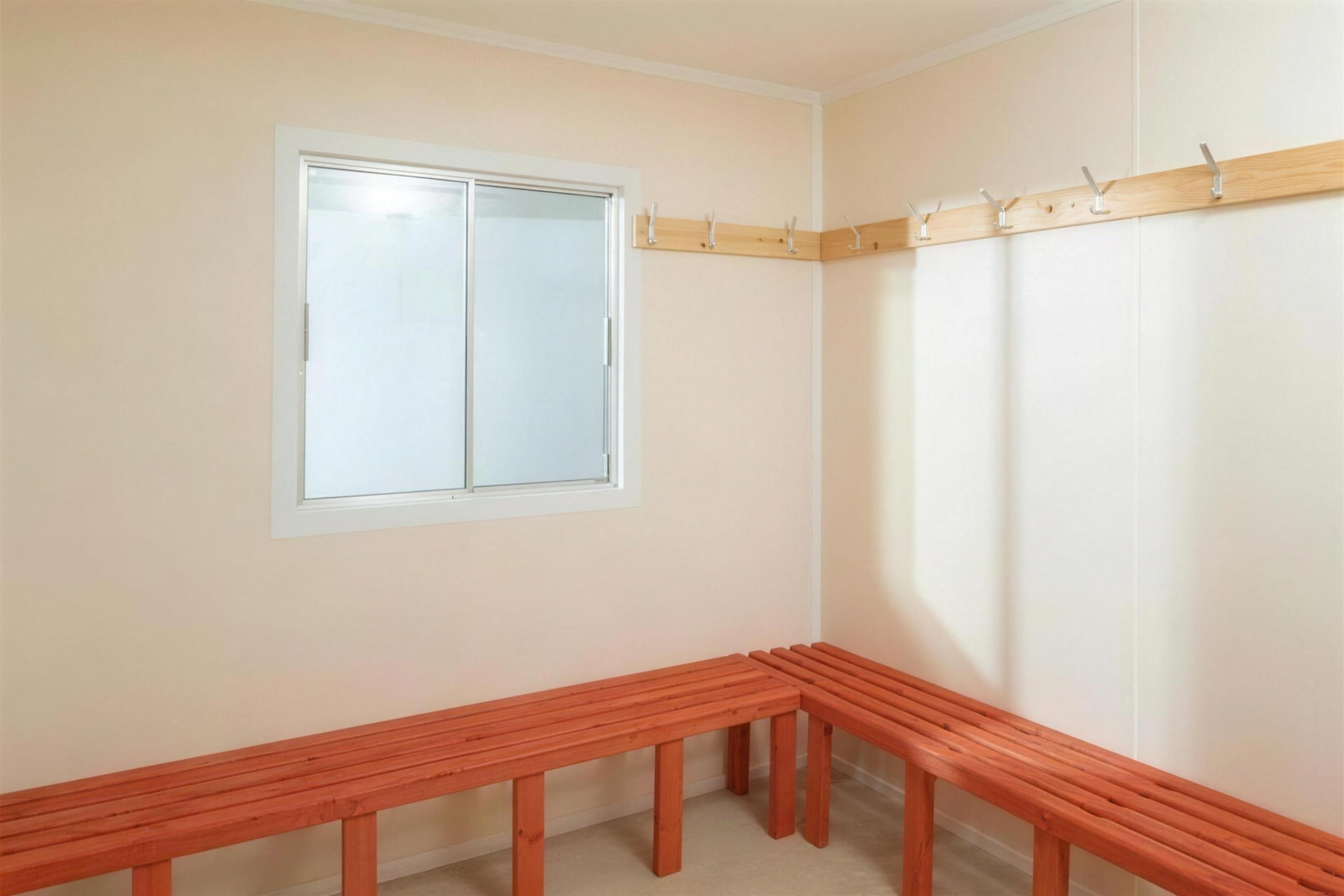
For the crew, anti-vandal cabins (steel-clad, shuttered units built to sit unattended) handle the rest: a 12ft anti-vandal office for the supervisor, a steel drying room so wet gear is dry by the next shift, and canteen and toilet cabins for breaks. Our welfare units and site cabins page covers the lineup, and the site welfare units guide explains what a compliant setup needs.
Delivery is the hard part
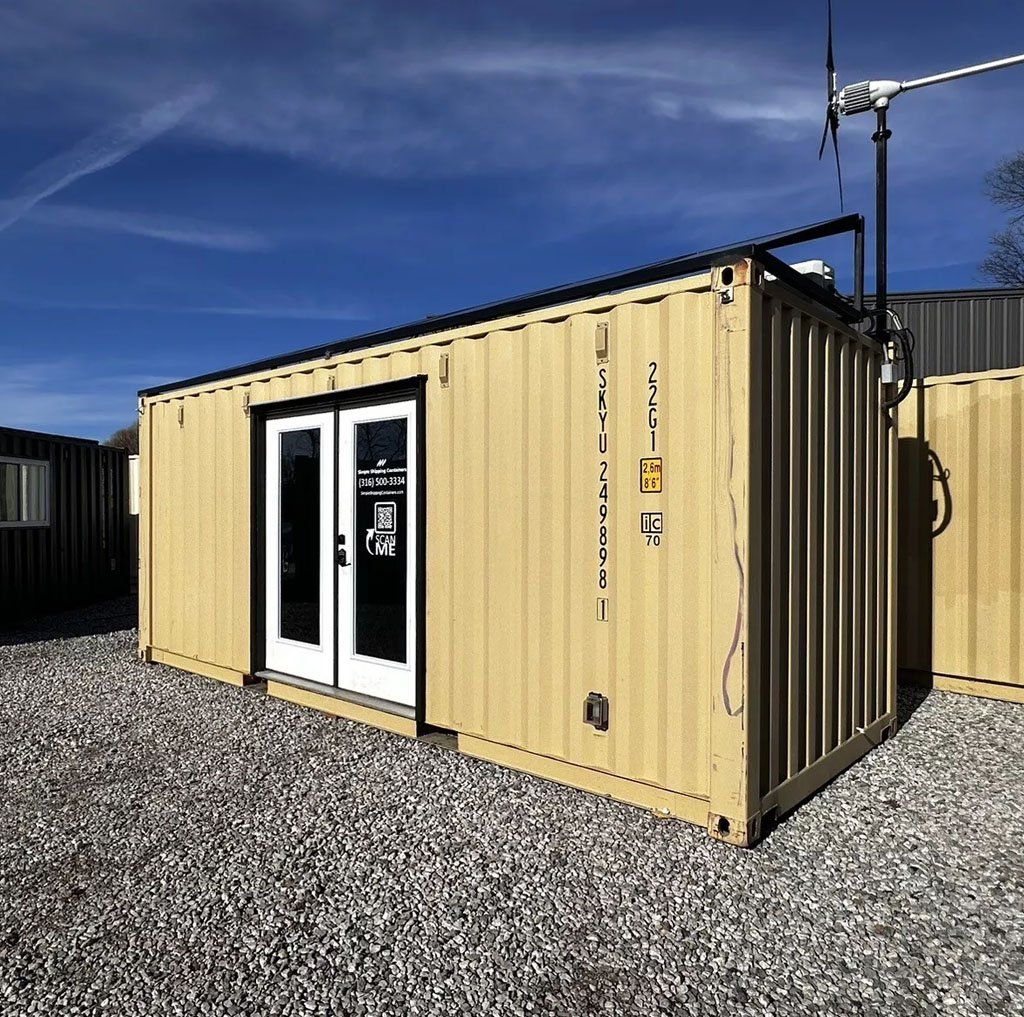
Be more skeptical of the delivery plan than of the container. Three things decide what is deliverable: the access road, the ground, and turning room. A tilt-bed (roll-off) truck slides the container off at ground level with no crane or forklift, but it needs a straight, obstacle-free run to position and unload, and soft or rutted ground can stop a loaded truck where a pickup passes fine. Some placements, like a heavy static cabin or a spot the truck cannot line up on, may need a crane — better to know that before the unit is on a trailer. Send photos of the approach and drop spot with your quote request; we check site access and clearance before delivery.
Security at unmanned sites
Unmanned sites get hit because the economics favor the thief: high-value tools, no witnesses, and hours of head start. Anti-vandal cabins resist pry bars at the shutters and doors; a lockbox (a welded steel shroud over the padlock) defeats bolt cutters on standard containers. Our guide on how to secure a shipping container ranks the upgrades by what they actually stop.
FAQ
Can you deliver where there is no paved road?
Often, yes. Lease roads and graded tracks work when the ground bears a loaded truck and there is a straight run to position. We check access before dispatch; a soft or steep approach can mean a smaller unit, a different drop spot, or a placement that may need a crane.
Flat-floor or raised bunded store: which one?
Flat-floor if you wheel drums in and out often, since loading stays at ground level. Raised if sump volume and easier inspection matter more. Both contain leaks; neither substitutes for your state's storage rules.
Will the solar office run through the night?
The battery bank carries lights and small loads after dark; it is sized for office work, not electric heat or welding. Pair heavy loads with a generator, or connect to the grid if service reaches the site later.
How long do containers last in full weather exposure?
Weathering steel handles years of sun, dust, and freeze-thaw. Paint fades and door seals age first, so check seals and drainage yearly on a long deployment.
Get a free quote
Tell us what the site needs (crib, bunded store, office, welfare) and describe the approach, and we will send a free, itemized quote for the units plus delivery to your site — no hidden fees, what we quote is what you pay. Every unit is inspected and graded before delivery, and we reply within 1 business day. Our container delivery team plans the tilt-bed drop around your access, and storage solutions consulting helps you size the mix before you commit.
Containers suited for energy & resources
Related services
- 01Container DeliveryTilt-bed delivery, coordinated door to door
- 02Custom ModificationsDoors, windows, HVAC, and full fit-outs
- 03Storage Solutions ConsultingRight-size your on-site storage
Put containers to work in energy & resources
Tell us about your project and we will send a free, no-obligation quote.