

Emergency Services
Shipping containers for emergency and disaster response
Lockable steel for supplies, cold chain, crew welfare, and command posts — staged before the season, not during it.

Built for the job
Staged before it is needed
Buy and load in the off-season so the unit is already on-site when an event hits. The tradeoff: capital sits idle most of the year, and stored stock needs periodic rotation.
Lockable steel, not a rated shelter
A welded steel box resists wind, weather, and theft far better than a tent or trailer. It is not a certified storm shelter: equipment goes inside during an event, people do not.
Two-zone cold chain
A dual-temperature reefer holds chilled and frozen stock in one unit for food and medical supplies. It needs continuous power, and reefer units typically ship in 7–10 business days.
An off-grid command post
A solar container office gives a response site a desk, power, and a lockable door with the grid down. Solar capacity is finite, so heavy electrical loads call for a generator.
Sanitation for response crews
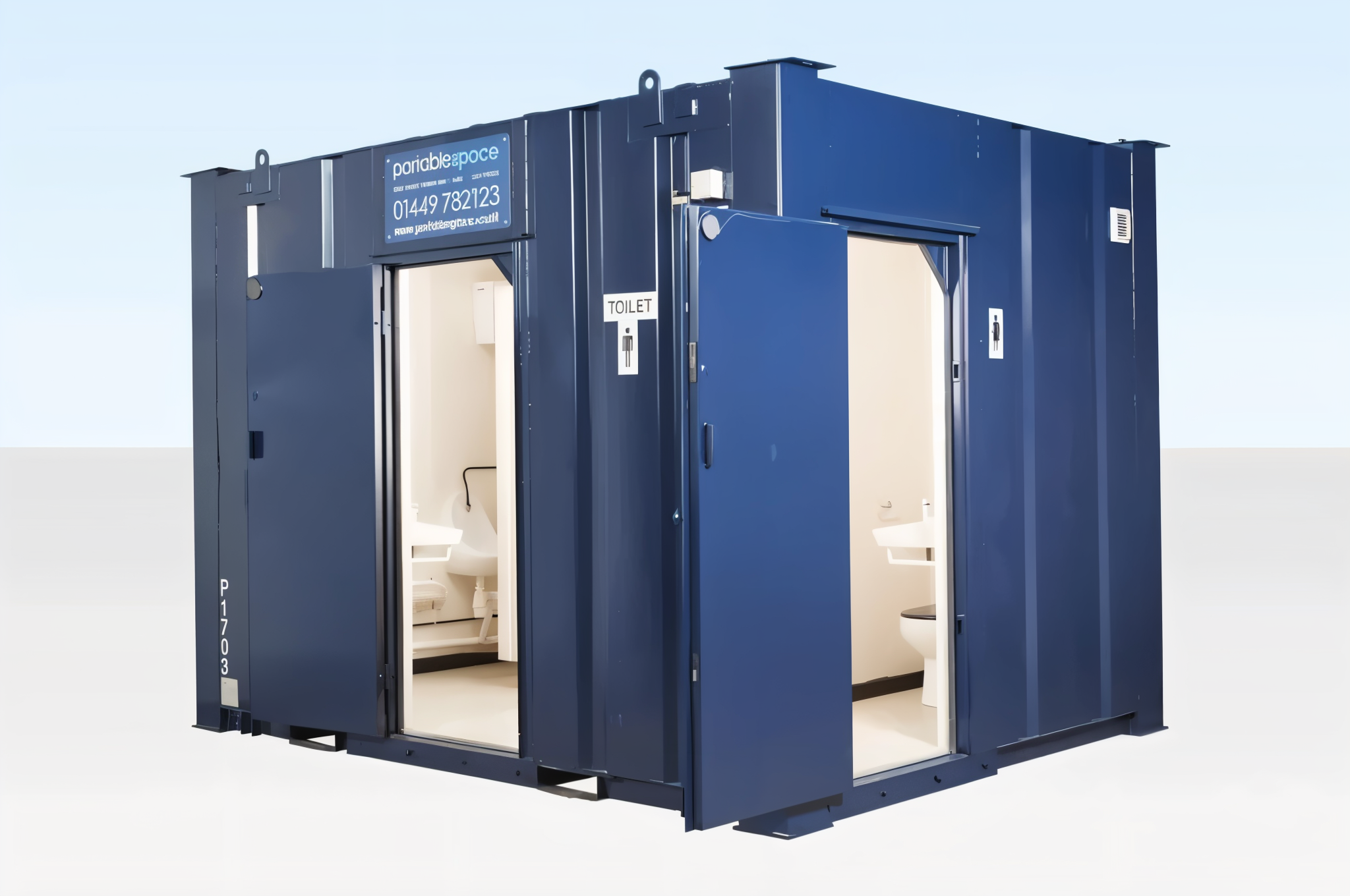
A jackleg toilet cabin puts working toilets at a response site. Water and waste servicing are arranged separately, and a static cabin may need a crane to place.
One itemized quote
We price the units plus delivery in one free, itemized quote — what we quote is what you pay. Generators, servicing, and anchoring hardware are arranged separately.
Emergency managers, utility crews, hospital systems, nonprofits, and businesses hardening a continuity plan run on one rule: the equipment you stage before an event is what you can count on during one. Containers put lockable steel, cold chain, crew facilities, and a command post on-site early.
The problem when a disaster hits
Once an event is declared, everything tightens at once: containers, trucks, and drivers get committed fast, and every agency in the region calls the same dispatchers. None of what a response site needs is hard to buy in the off-season. All of it is hard the week after landfall.
Stage before the season, not during it
Buying and staging ahead is the plain advantage steel offers. The unit is inspected and graded before delivery, loaded on a normal week, and locked until needed. The tradeoff is honest: a pre-positioned container is capital sitting idle most of the year, and stored stock needs periodic rotation. Sourcing the same unit after a declared event, when supply and trucking tighten across a whole region, costs you the one thing a response does not have.
What containers cover at a response site
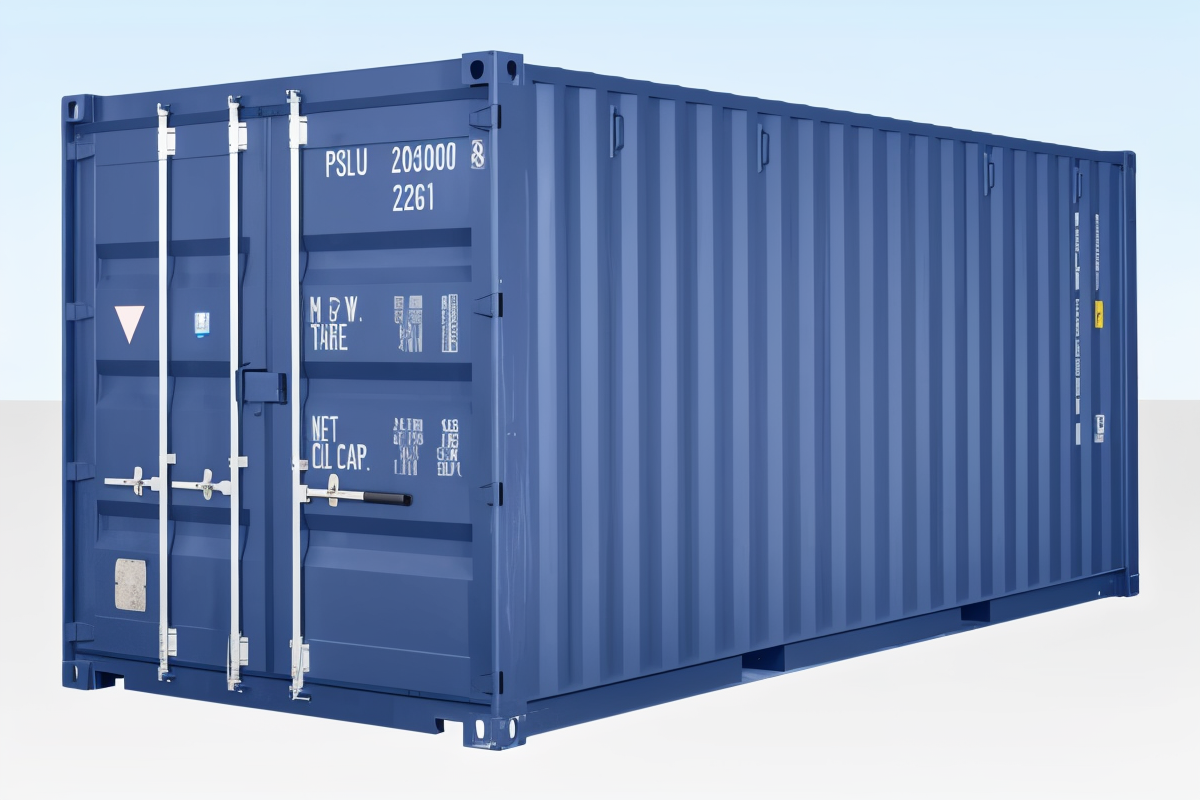
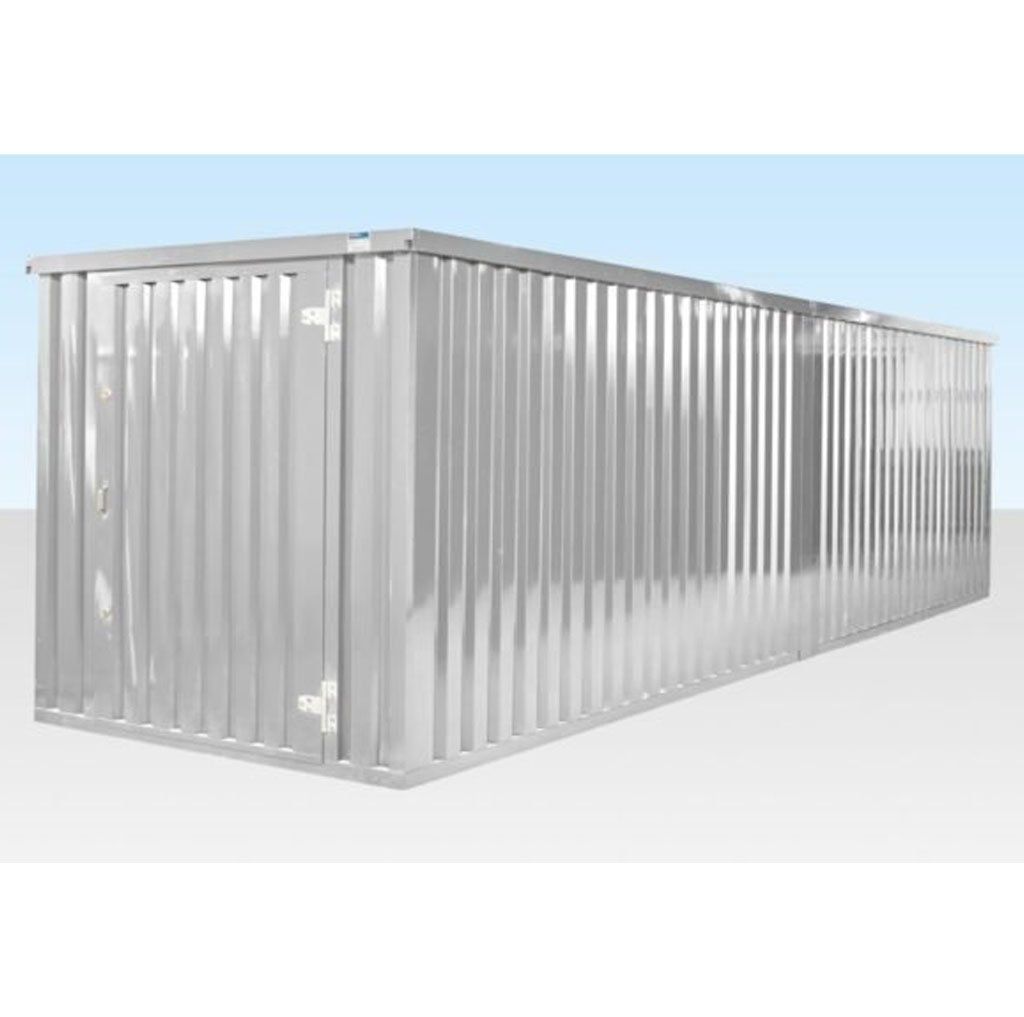
Most kits start with a dry box. A 20ft one-trip container (one-trip: shipped once from the factory, the closest thing to new) gives you a wind and watertight (WWT) equipment cache for county supplies, line-crew hardware, tools, and tarps. Where an assembled container cannot go, a flat-pack store bundle (flat-pack: arrives as panels, assembled in place) fits through gates no truck can reach — our flat-pack storage containers solution covers the format.
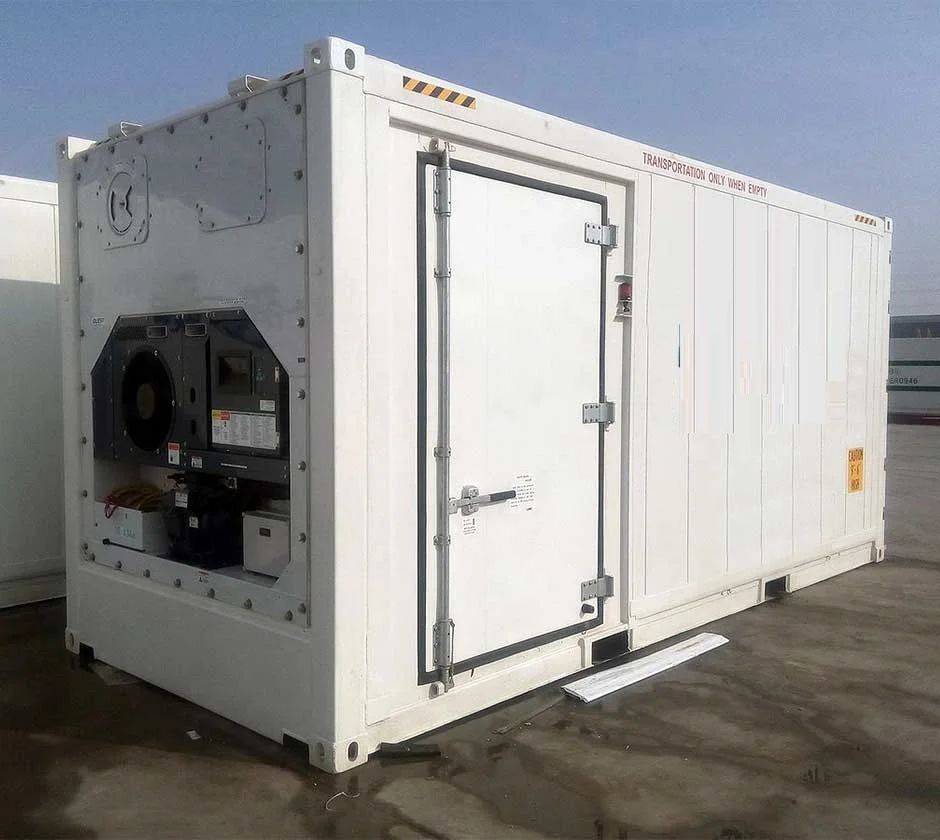
Cold chain is its own problem. A 20ft dual-temperature reefer (a reefer is a refrigerated container) holds two temperature zones in one unit, so chilled food and frozen medical stock travel together. It needs continuous power from mains or a generator, and reefer units typically ship in 7–10 business days — one more reason to order before the season.
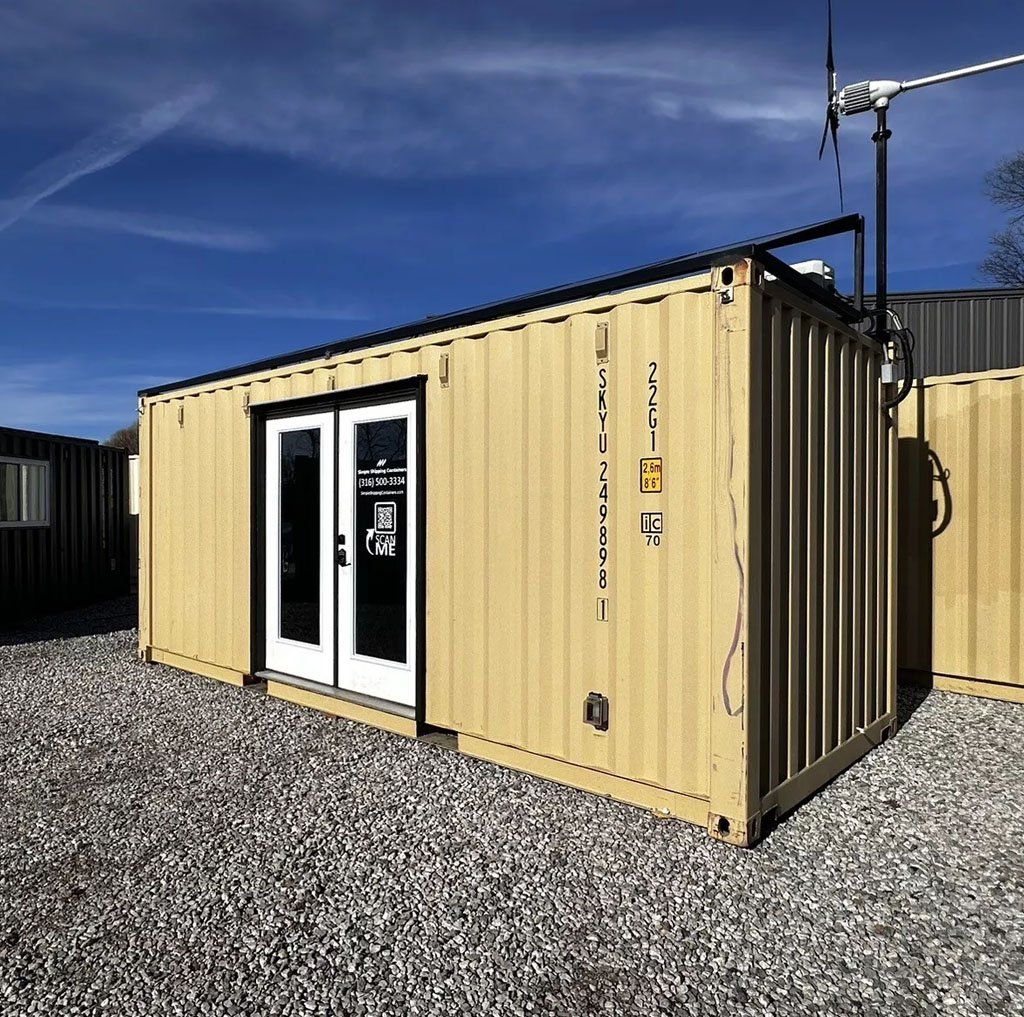
Crew welfare rounds out the kit. A 2+1 jackleg toilet cabin puts working sanitation on site, with water and waste servicing arranged separately. A 20ft solar container office runs a command and coordination post where the grid is down; solar capacity is finite, so heavy electrical loads call for a generator.
Whatever you stage will sit unattended for months, so lock it accordingly; our guide on how to secure a shipping container covers lockboxes and the hardware worth adding early.
Placement, flood zones, and what steel cannot do
Delivery is the step to plan hardest. On a normal site, a tilt-bed (roll-off) truck slides the container off at ground level, no crane or forklift, and we check site access and clearance before delivery. After an event, debris, washouts, and soft, saturated ground can rule out a tilt-bed drop, and a crane or an alternative placement may be needed — another argument for staging early, on your terms.
In flood-prone areas, set the unit on the highest firm, level, compacted ground available and anchor or tie it down; a lightly loaded box can shift in moving water. This is general guidance, not engineering advice — ground and flood behavior vary by site.
FAQ
Can people shelter in a shipping container during a storm?
No. A container resists wind and debris well enough to protect equipment, but it is not a rated storm shelter, and we do not sell it as one. Plan rated shelter space for crews and use the container for gear.
Should we buy before or after an event?
Before. After a declared event, containers, trucks, and drivers tighten across the affected region and lead times stretch. A unit bought in the off-season arrives inspected, gets loaded on a normal week, and is already on-site when it counts.
How is a container delivered to a response site?
On a tilt-bed truck that slides the unit off at ground level; we check access and clearance first. Post-event debris or soft ground can rule that out, and a heavy static unit like a jackleg cabin may need a crane — flag site conditions when you request a quote.
How fast can a refrigerated container arrive?
A reefer typically ships in 7–10 business days once the order and site access are confirmed. That window applies to refrigerated units only — and it is the strongest case for ordering cold chain before the season, not during an event.
Get a free quote
Tell us what you need to stage, where it will sit, and a note on access. You get a free, itemized quote for the units plus delivery, with no hidden fees: what we quote is what you pay, and we reply within 1 business day. Our storage solutions consulting team helps size a staging kit to your plan, and container delivery handles the access check and the tilt-bed drop. Request a free quote to get started.
Containers suited for emergency services
Related services
- 01Container DeliveryTilt-bed delivery, coordinated door to door
- 02Storage Solutions ConsultingRight-size your on-site storage
- 03Container SalesNew one-trip and graded used containers
Put containers to work in emergency services
Tell us about your project and we will send a free, no-obligation quote.