

Education
Classroom space that arrives on a truck, not a construction schedule
Overflow classrooms, tutoring rooms, and trades labs from converted containers, with honest size and permit guidance.

Built for the job
Faster to open than a stick-built addition
The unit is built out off-site while your pad and power go in, so it opens far sooner than a framed addition. Occupancy permits still take real review time, so start that paperwork first.
Sized for small groups, not full classes
An 8ft-wide unit suits tutoring, testing, and pull-out groups of roughly 4 to 8 students. It will not hold a 30-student class — that takes a wider cabin, multiple units, or a different building.
Weathertight steel, not a wood-framed trailer
The corten shell resists weather, rot, and rough campus use better than an aging trailer. Bare steel is not a classroom, though — insulation, HVAC, and acoustic lining are the baseline fit-out.
Relocatable as enrollment shifts
If a campus plan changes, the unit can be lifted and re-sited instead of demolished. Moving it re-triggers permitting at the new location, and heavier cabins may need a crane to lift.
Matching storage for program equipment
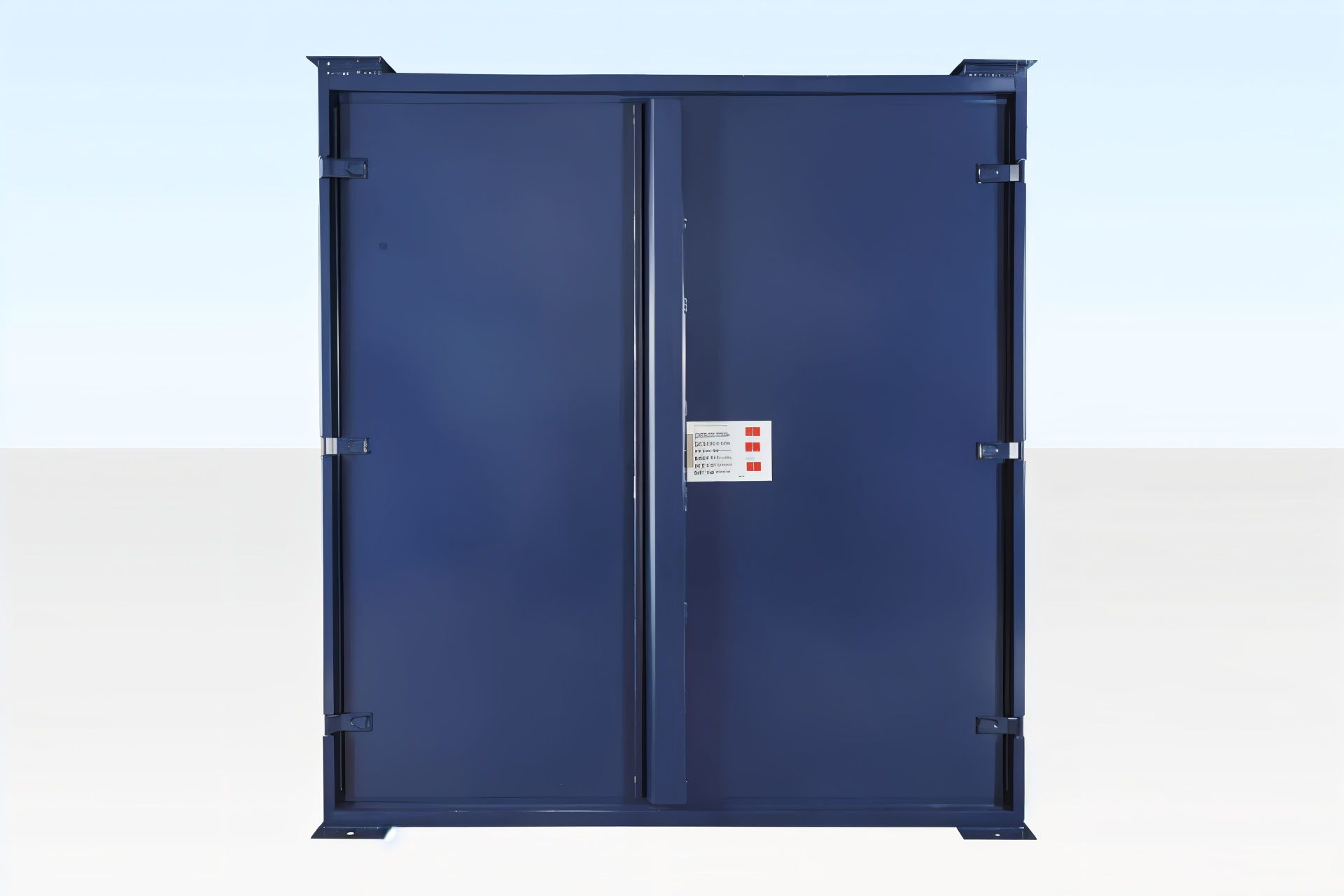
A stackable store cabin beside the classroom holds sports gear, instruments, or lab stock on a small pad. Storage units are not rated for occupancy, so never teach in one.
One itemized quote before you commit
You get a free, itemized quote covering the unit and delivery — no hidden fees, what we quote is what you pay. Fit-out scope varies by district requirements, so the final spec follows a site check.
A container classroom is a steel container or portable cabin converted into finished teaching space: insulated, wired, heated, and cooled. Schools use them for overflow rooms and testing space; tutoring centers, churches, camps, and trades-training providers use them to add rooms without a construction schedule.
The space problem
A program adds a section, a renovation takes 2 rooms offline, or a testing window demands quiet space the campus does not have. A stick-built addition answers eventually, but design, bidding, permitting, and construction routinely outrun a full school year. Wood-framed portables are the usual stopgap, but they carry their own lead times and age poorly once weather gets in.
How a converted container becomes a room
Most of the build happens before the truck arrives. Framing, insulation, electrical, windows, and doors are fitted off-site while your pad and power go in at the campus, so the 2 tracks overlap instead of queueing. Units can be modified to match the room: glazed doors, extra windows, added insulation, or a second exit where egress rules require one. Our custom modifications service scopes that work. Short on staff workspace too? The same approach covers container offices and on-site workspaces.
Size math: be honest about 8ft of width
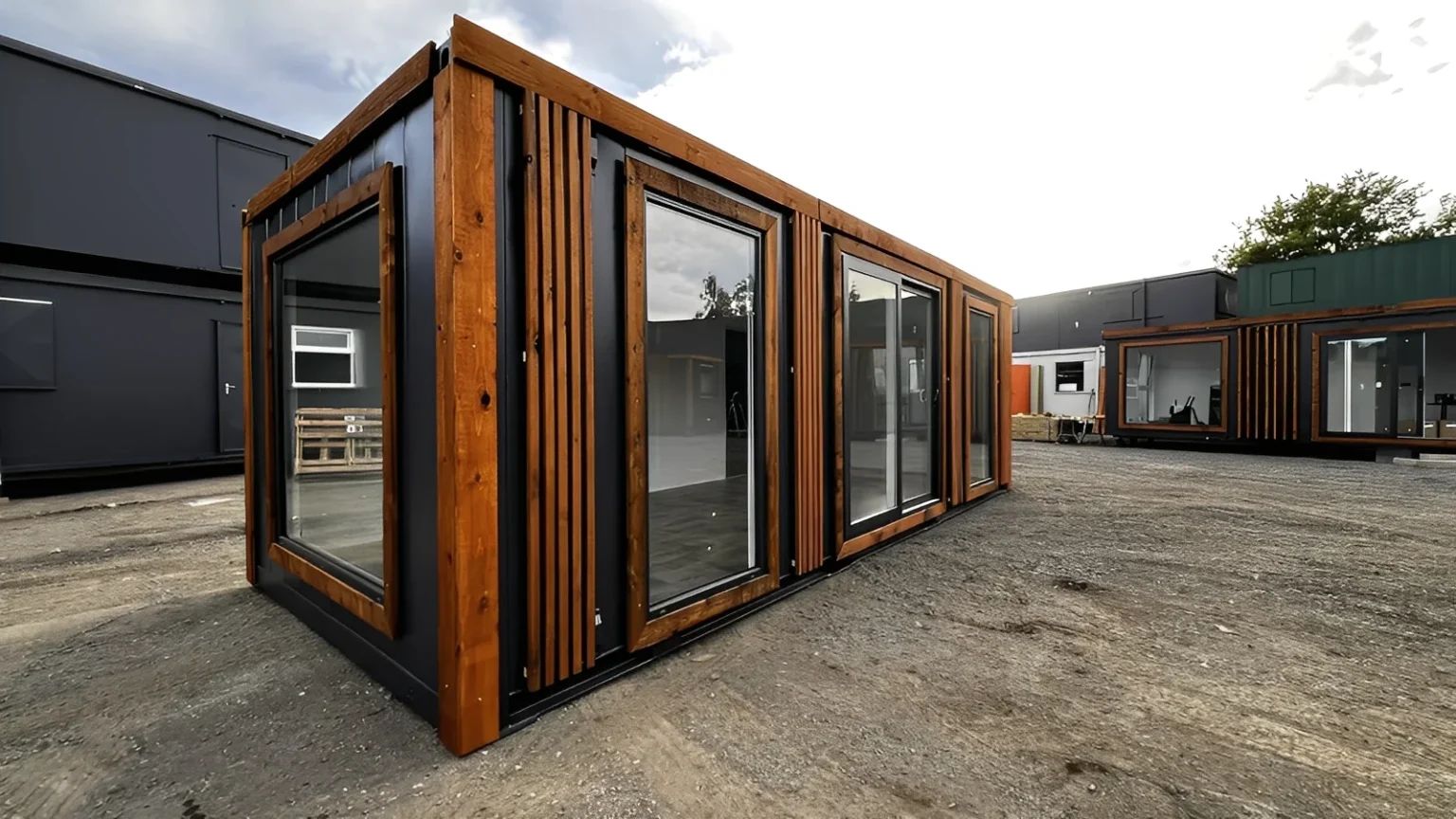
A standard container is 8ft wide outside; insulation and wall lining trim the interior to roughly 7ft. That suits 1-on-1 tutoring, testing carrels, a music practice room, or a pull-out group of 4 to 8 students, not a 30-student class. A 10ft-wide cabin adds real elbow room; a full-size classroom means joining several units with structural openings — a construction project, not a delivery. For trades training, length and height matter more: a 40ft one-trip high cube (one-trip: shipped once, then sold; high cube: 9ft 6in, 1ft taller than standard) runs benches and equipment down one wall.
A classroom is commercial occupancy
A storage container on private land often needs only a placement permit. A room with students in it is different: your building department treats an occupied unit as a commercial building, often under an educational occupancy classification, and the checklist grows — code-compliant egress, ADA-accessible entry, fire alarm and detection, and code-level ventilation. Requirements vary by district and state, and this is general guidance, not legal advice. Our guide to shipping container permits walks through the process; start it before you order the unit, since review is often the longest part.
The baseline spend: insulation, climate, and acoustics
A bare container is a resonant steel box that tracks the outdoor temperature. 3 things make it teachable: insulation on every surface (our guide to insulating a shipping container compares the options), a minisplit, a compact wall-mounted heating and cooling unit, and acoustic treatment, because hard steel walls make speech muddy and a drum kit unbearable. All 3 are baseline for an occupied unit, not upgrades.
Which unit fits which room
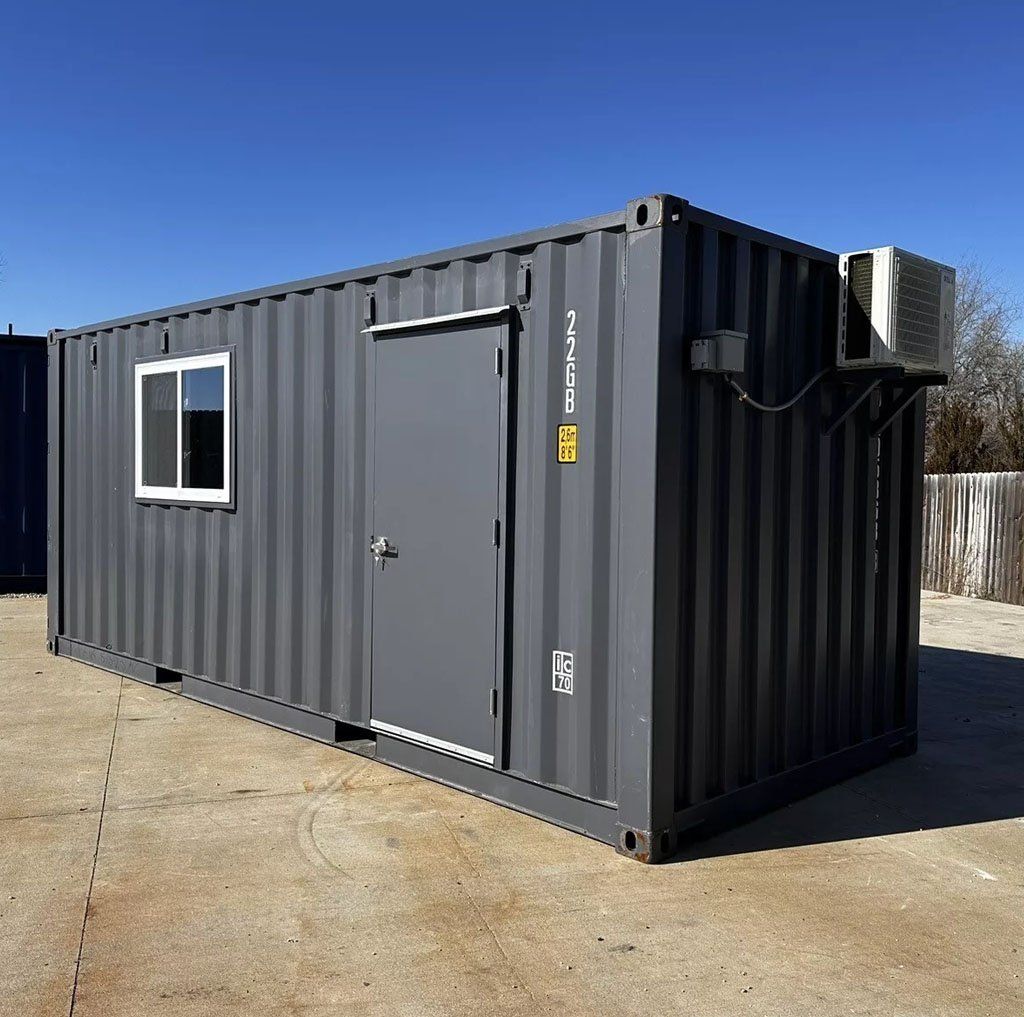
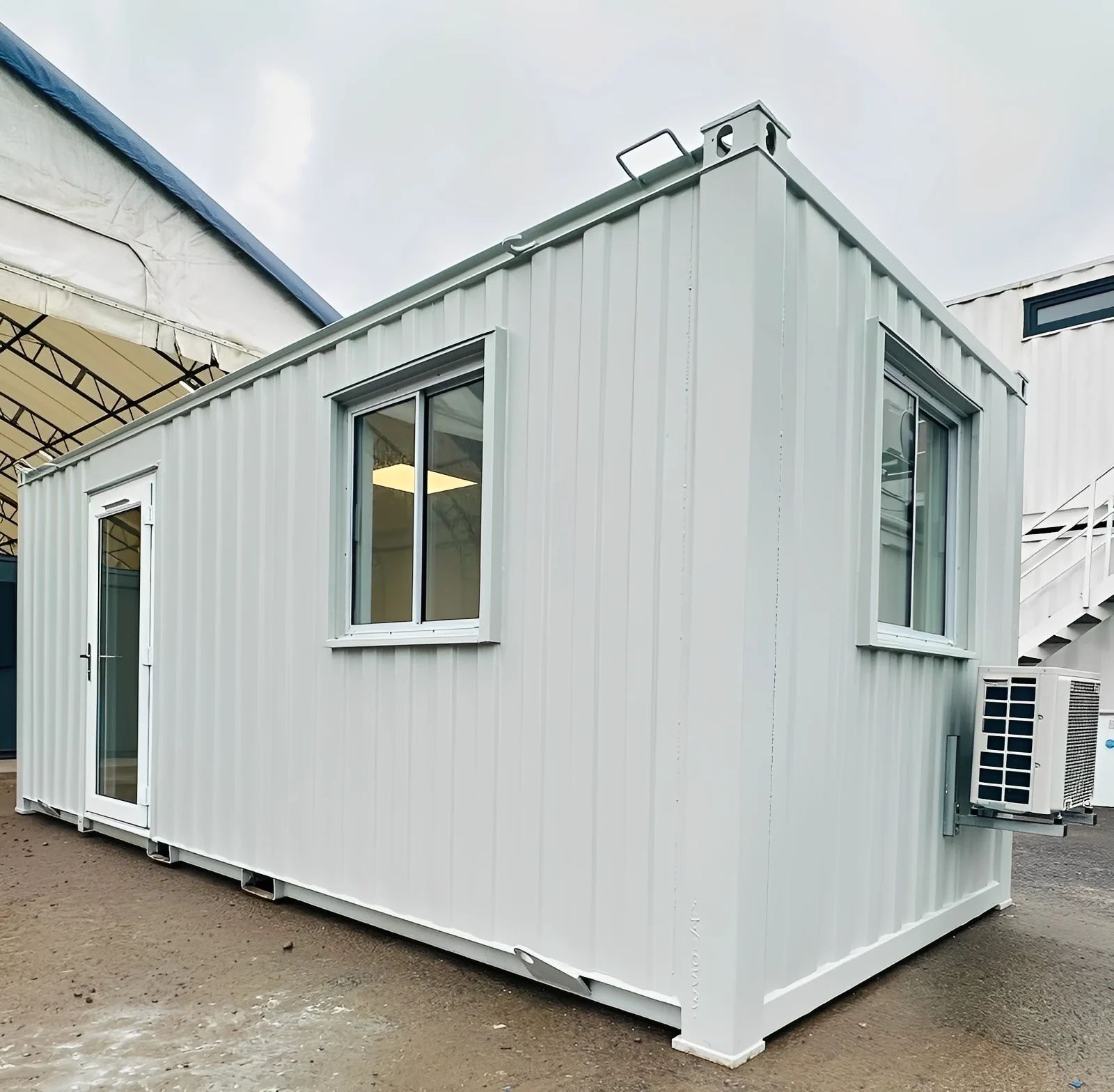
For tutoring, testing, or counseling, the 21ft x 8ft refurbished container office with A/C is close to move-in ready, glazed door and cooling included. The 20ft shiplap office below arrives insulated with a minisplit and 120V wiring, and suits a single finished teaching room. Pair the classroom with a 12ft x 8ft stackable steel store cabin for sports gear, instruments, or lab stock, but never teach in one — storage units are not rated for occupancy. Every unit is inspected and graded before delivery.
Container classroom FAQ
Do we need a building permit?
Expect one. An occupied classroom is commercial occupancy, with egress, ADA, fire alarm, and ventilation requirements; some states add state-level review for school projects. Rules vary by district and state, and this is general guidance, not legal advice.
How many students fit in one unit?
Roughly 4 to 8 in an 8ft-wide unit, and more in a 10ft-wide cabin. A 25-to-30-student class takes multiple joined units or a different building.
How is the unit delivered to a campus?
Standard containers arrive on a tilt-bed (roll-off) truck: the bed tilts and the container slides off at ground level — no crane or forklift needed. Heavier static office cabins may need a crane. We check site access and clearance before delivery, and the truck needs a straight, obstacle-free run to position and unload.
Will students be comfortable in summer and winter?
With insulation and a correctly sized minisplit, yes; bare steel has no thermal resistance of its own. Plan climate and acoustics from the start, not as afterthoughts.
Get a free quote
Tell us the room you need, the campus address, and any district requirements. We reply within 1 business day with a free, itemized quote: no hidden fees, what we quote is what you pay. For fit-out beyond the standard spec, our custom modifications service covers windows, doors, insulation, and electrical, and our ADU and modular builds service takes on multi-unit projects such as joined classrooms.
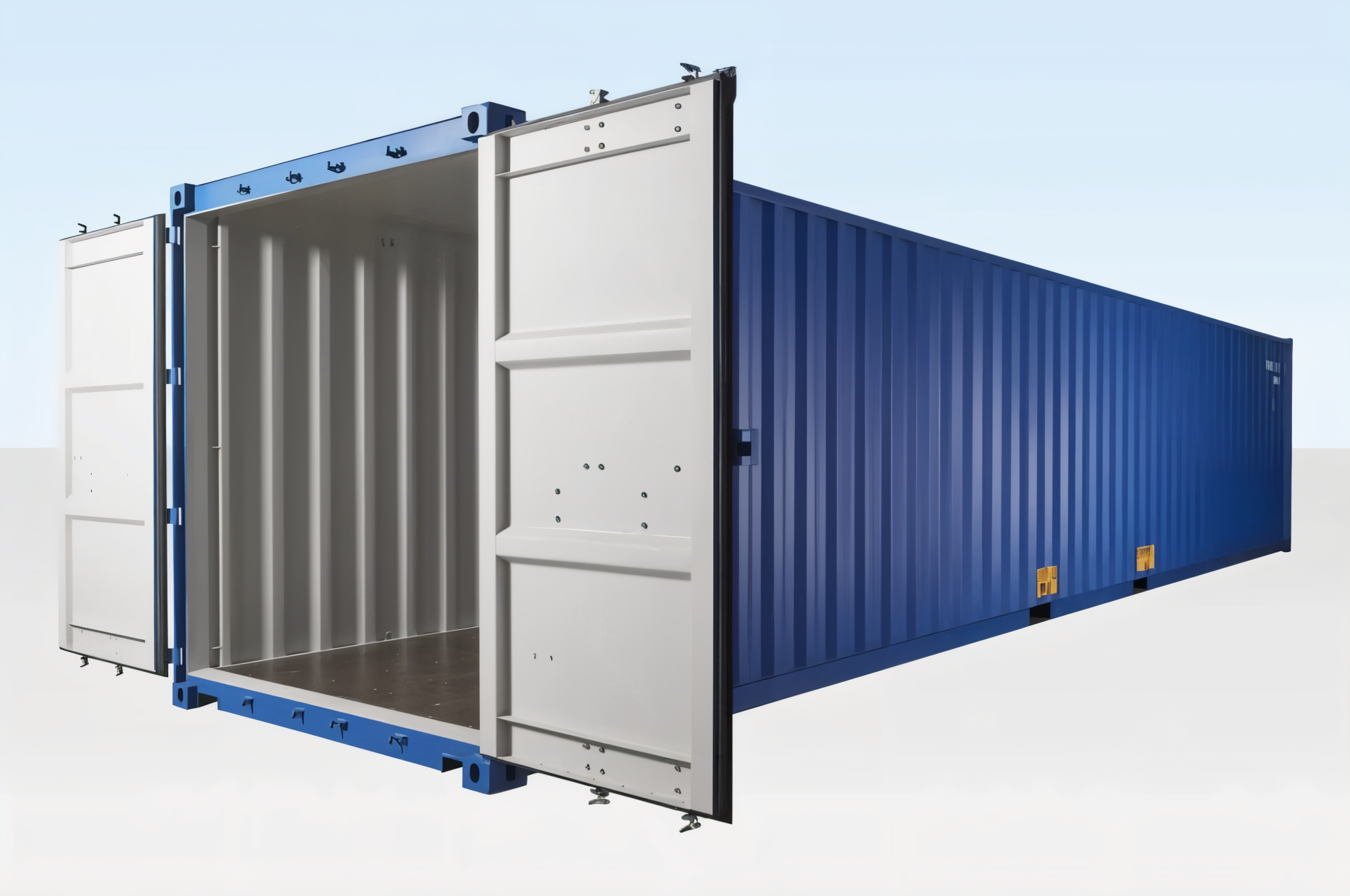
Containers suited for education
Related services
- 01Custom ModificationsDoors, windows, HVAC, and full fit-outs
- 02ADU and Modular BuildsContainer homes and modular structures
- 03Container DeliveryTilt-bed delivery, coordinated door to door
Put containers to work in education
Tell us about your project and we will send a free, no-obligation quote.