How to Avoid Shipping Container Scams When Buying Online
Shipping container scams are easy to run online. Vet the seller in 10 minutes, verify the container number, and pay by a method you can dispute.
 Editorial TeamEditorial Team6 min read
On this page
- 01Why this market attracts fraud
- 02The scams that actually run
- 03Vet the seller in about 10 minutes
- 04Verify the container, not just the seller
- 05Payment methods, ranked by what you can recover
- 06What a legitimate quote and invoice contain
- 07Buying from a depot, and the release number trap
- 08Marketplace and Craigslist: extra caution
- 09Delivery day: document everything
- 10If you have already paid
- 11Get a free quote
Why this market attracts fraud
Steel is expensive, so one fake sale is worth real effort. Buyers usually pay before standing next to the unit, since it sits in a depot yard or behind a port gate. And yard photos are interchangeable, so anyone can lift a dealer's pictures and open a storefront.
Deposits are normal for honest sellers too, so real and fake look alike on a screen. The defense is a routine, not instinct.
The scams that actually run
The phantom yard. A tidy site, stolen photos, a price under everyone else's, a wire request today. No yard, and no container.
The vanishing deposit. An invoice buys a delivery date. The date slips, then the phone stops being answered. The variant is the double sale: several deposits, one container, first arrival wins.
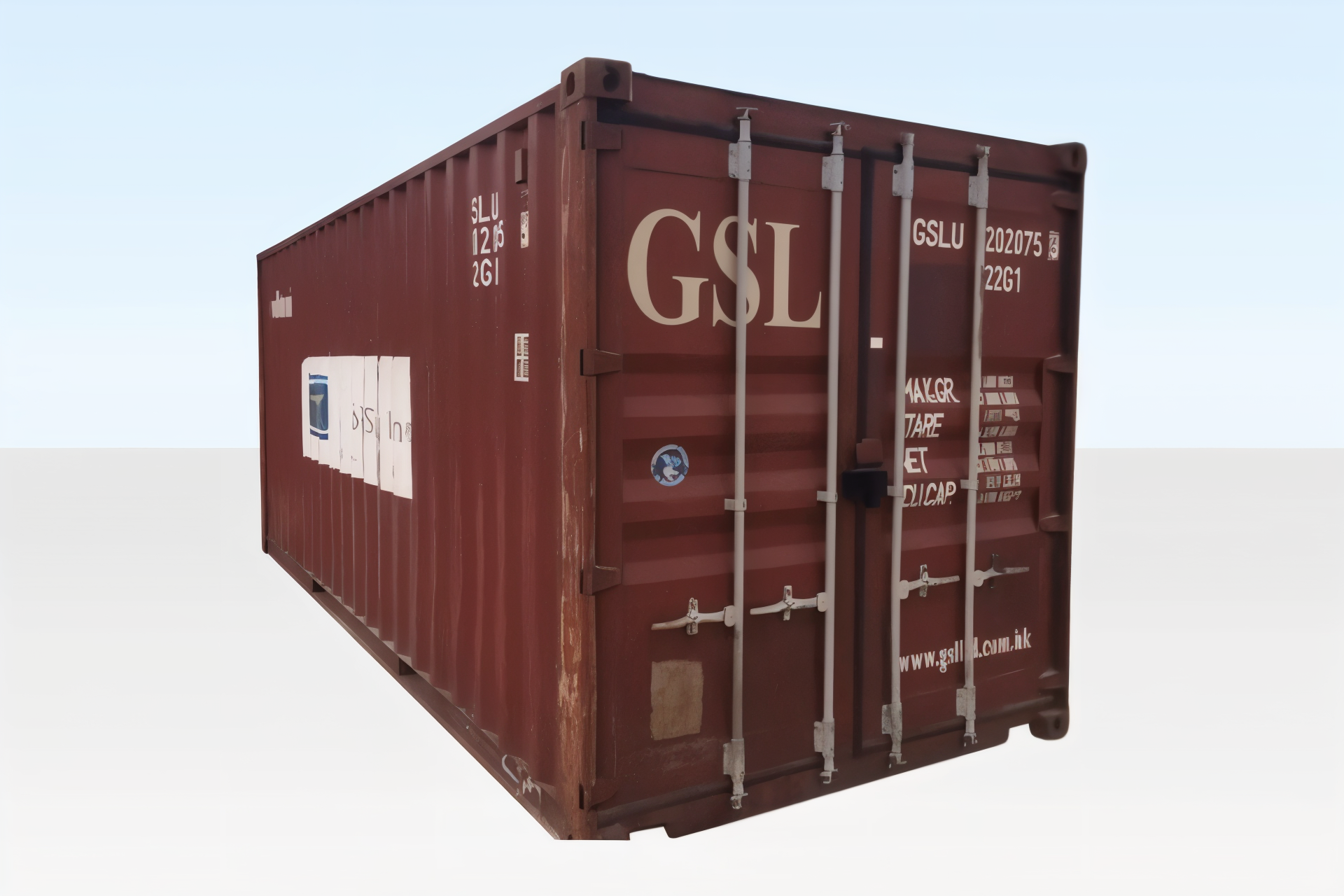
Condition swapped on arrival. You paid for cargo-worthy (CW: a used unit sound enough to be certified for ocean carriage) or one-trip (shipped with cargo once, effectively new), and a patched, repainted box arrives. The invoice never named a grade.
The bogus release. You collect the unit yourself, with a depot release that expired, carries unpaid storage, or that the depot never issued.
Vet the seller in about 10 minutes
Run all five before sending anything.
- Search the state business registry. Every Secretary of State runs a free entity search. Check the legal name in the state claimed, an active status, and a registration date that fits the story.
- Check the domain's age. A public WHOIS lookup shows the registration date even when owner details are private. A domain created weeks ago earns scrutiny.
- Reverse image search the photos. The most common tell. Stolen yard shots usually trace back to a working dealer in another state.
- Call the number. A person should answer with the business name, name the depots they draw from, and answer a specific question about the unit.
- Map the address in satellite view. Sellers have a yard or can name their depot. A mailbox store or empty lot means you ask where the unit stands.
None settles it alone; small dealers legitimately work from a phone and a corner of someone else's depot. What matters is the stack: a new domain, borrowed photos, no registration, and a wire-only demand.
Verify the container, not just the seller
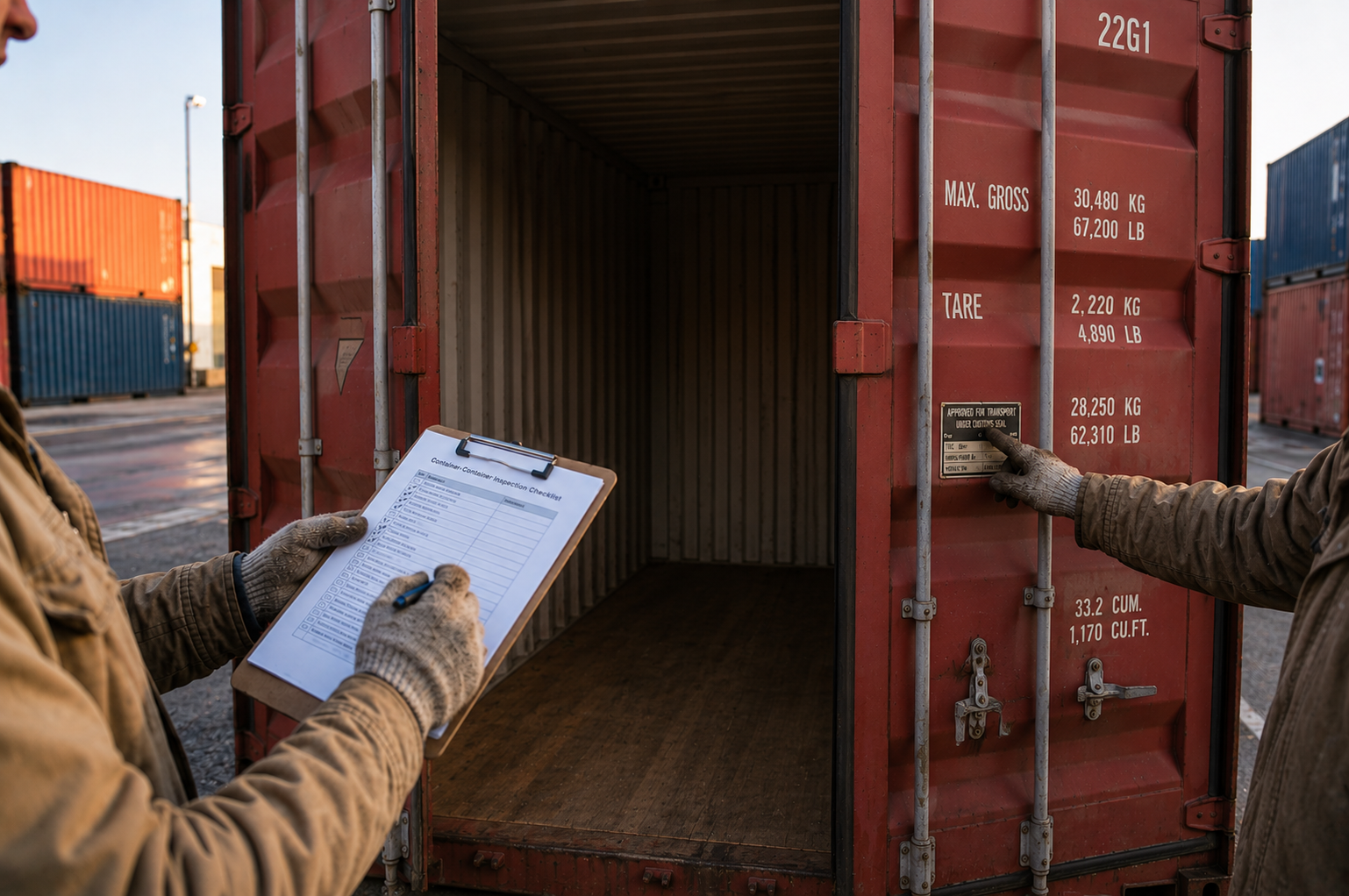
Every ISO shipping container carries an 11 character marking under ISO 6346, on the doors and the side: four letters then seven digits. The first three letters are the owner prefix, registered with the Bureau International des Containers, and the last digit is a check digit on the 10 before it. Free public BIC tools will tell you whether a quoted number is structurally valid.
A CSC plate (the Convention for Safe Containers safety approval plate) should sit near the doors, showing approval details and date of manufacture.
So ask a private seller for a photo taken today of the container number and that plate, with a dated note in frame. A valid number proves the format is real, not that this seller has the unit.
Physical condition is a separate checklist: our guide on buying a used shipping container covers rust, dents, seals, and floors.
Payment methods, ranked by what you can recover
Payment is a recourse ladder.
- Effectively final: wire transfer, Zelle, Venmo or Cash App to a person, cashier's check, gift cards, crypto. Recovery depends on the receiving bank still holding the money.
- In between: PayPal goods and services, or escrow, where a third party holds funds until you accept the container. Both give you a claims process, with exclusions.
- Most recourse: a credit card, which gives you a formal dispute right with your issuer if the goods never arrive or differ materially from the description. The window is limited, so ask your issuer.
The tradeoff: the cheapest method has the least recourse. A legitimate seller may add a card fee or decline cards on large orders, which alone is not a red flag. Refusing everything except a wire to a person is.
Put the deposit on a card even when the balance goes another way; it moves before you see anything.
What a legitimate quote and invoice contain
Ask for it in writing:
- The legal business name and physical address, matching the state registry.
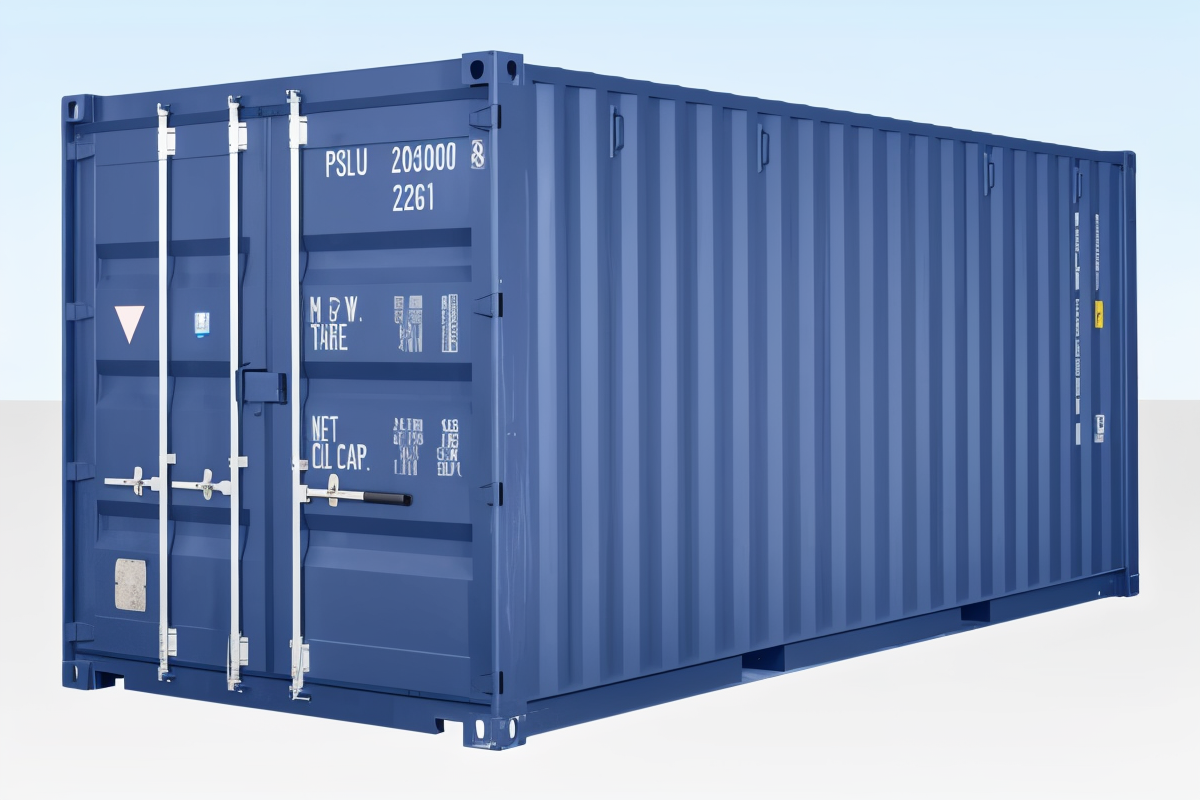
- The grade in words, not only a photo: one-trip, cargo-worthy, wind and watertight, or a dealer grade such as a Grade A used 20ft container, defined on the document.
- Size and type: 20ft or 40ft, standard or high cube (a container one foot taller than standard).
- Whether the price is delivered or collected at the depot, and which depot.
- Delivery method and site access. A tilt-bed (roll-off) truck slides the unit off at ground level and needs a straight, obstacle-free run to position and unload.
- Who is responsible if the truck cannot place the unit.
- The deposit, the balance, and when each is due.
- What happens if the delivered unit does not match the grade sold: replacement, refund, or adjustment.
Without those lines you have a text message, not a quote. Our breakdown of what a shipping container costs separates the line items. A 20ft cargo-worthy container and a 20ft one-trip container are not the same product.
Buying from a depot, and the release number trap
Depot collection is often cheaper than delivery. The seller issues a release, your trucker presents it at the gate, and you are paying for a piece of paper.
Before paying, get the depot name and address, the container number, the release validity window, and confirmation that no storage is owed. Then call the depot: do they hold that number, and does the seller have an account?
Releases expire before truckers arrive. Storage gets demanded from you at collection. The unit is not there. If the seller cannot name the depot, stop. Budget trucking too: a depot price is not a delivered price.
Marketplace and Craigslist: extra caution
Same rules, tightened:
- A new account with no local history, or a name that does not match the person texting.
- A seller who moves the conversation off the platform, where there is no record.
- The broker story, where the person you pay is never the person who delivers.
- A unit that cannot be viewed because it is still at the port, where buyers cannot go.
- A price far under every quote you collected, paired with urgency about the deposit.
If it is local, viewing should be easy, so ask and go. If it sits at a depot, the depot rules apply.
Delivery day: document everything
The last chance to catch a swap is before the driver leaves:
- Photograph the container number on the door and the side, and check it against your paperwork.
- Photograph the CSC plate.
- Photograph all four sides and the underside rails.
- Step inside, close the doors, and look for daylight.
- Open and close both doors with the unit on the ground and level; doors that swing on a tilted bed can bind once set down.
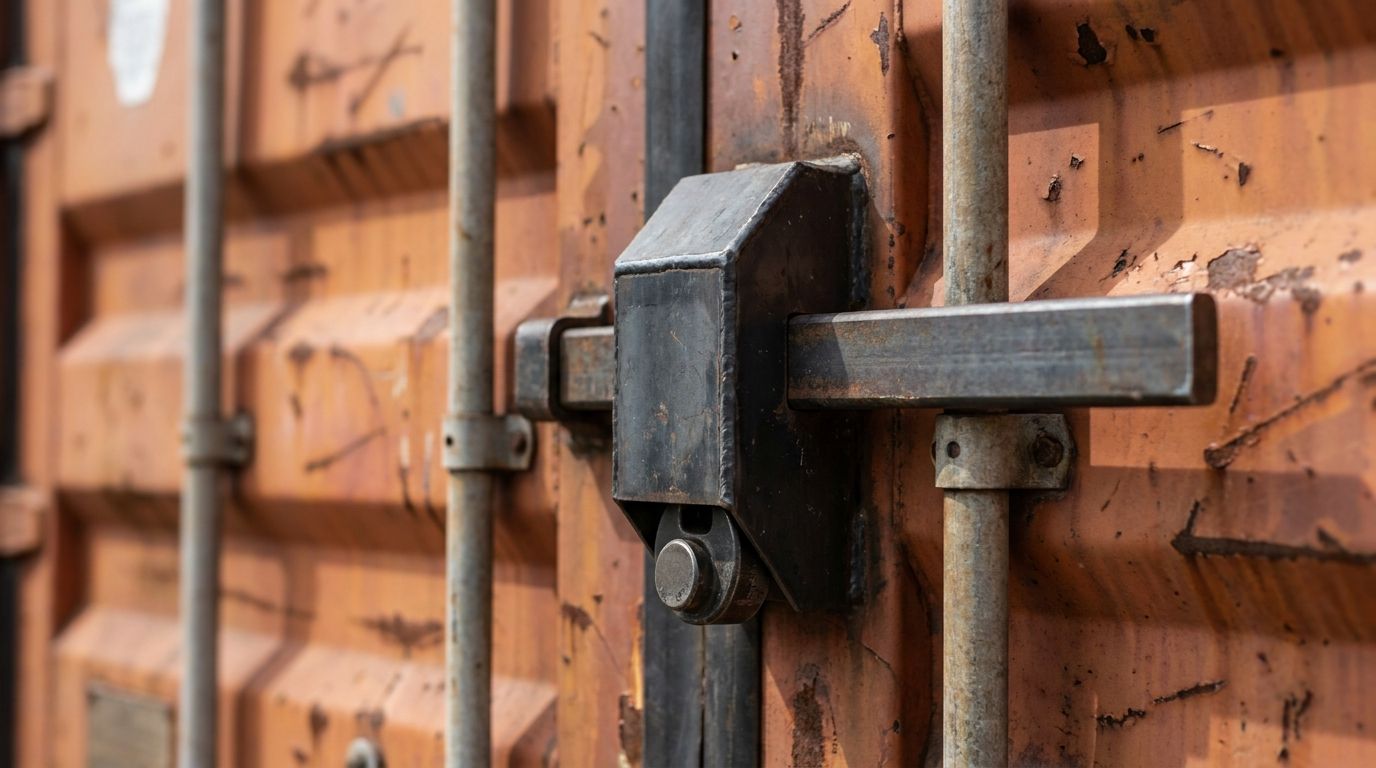
If it does not match the grade you bought, say so before the driver leaves and before paying any balance. For a residential lot, storage containers for homeowners covers placement, and securing a container against theft covers lock hardware.
If you have already paid
Speed decides the outcome, so work this list the same day. This is general guidance, not legal advice.
- Call your bank and ask for a wire recall or ACH return, which works only while the funds sit in the receiving account.
- If you paid by card, open a dispute as goods not received or not as described.
- File with the FBI's Internet Crime Complaint Center, IC3.
- File with the Federal Trade Commission at ReportFraud.ftc.gov.
- File with the attorney general of your state and of the seller's claimed state.
- Report the listing and the account to the platform.
- Keep the messages, the listing, the invoice, screenshots, and bank reference numbers.
Recovery odds fall sharply with time, and nobody can promise an outcome. File anyway: agencies act on patterns.
Get a free quote
Judge us against the checklist above. Our free itemized quote names the legal business, the grade, the size, whether the price is delivered or collected, and the deposit and balance schedule, with no hidden fees, so what we quote is what you pay. Every unit is inspected and graded before delivery, and we check site access before the truck is booked. Send the size, grade, and address, and we reply within 1 business day.